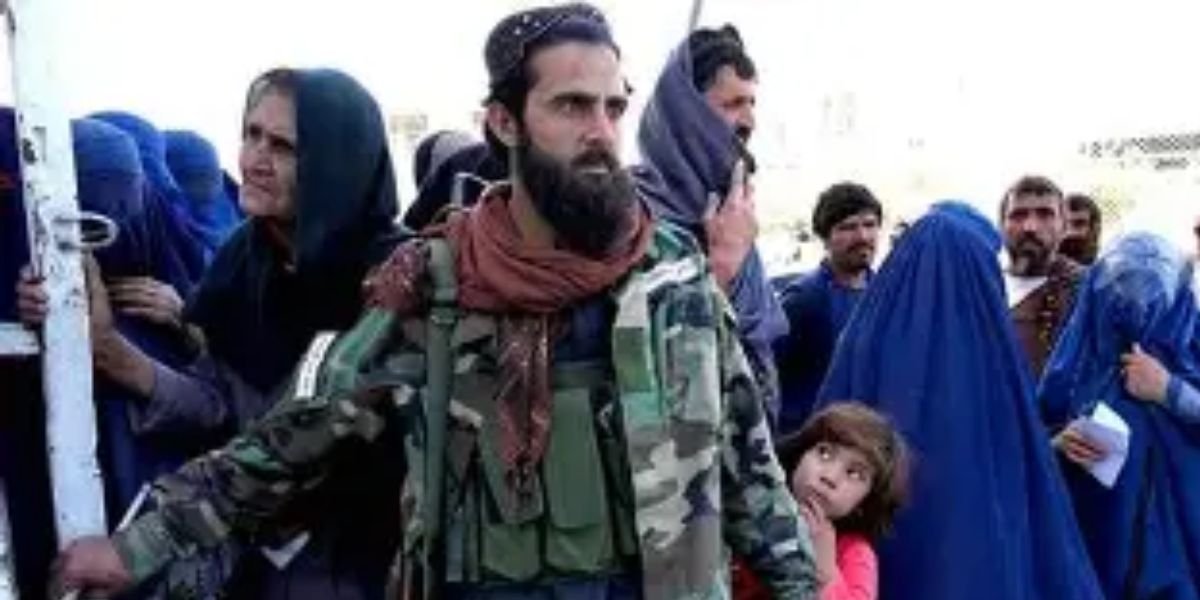
The humanitarian and political crisis in Afghanistan continues to worsen as a result of what critics describe as the Taliban regime’s incompetence and rigid policies.
The ongoing economic crisis, widespread poverty and food shortages have made life increasingly difficult for Afghan citizens. Analysts say the Taliban’s ineffective governance and hardline policies have pushed the country into a new wave of political, economic and humanitarian challenges.
Various observers believe the current situation is driving Afghanistan further into international isolation, while domestic conditions continue to deteriorate.
According to the latest report by the Norwegian Refugee Council, the humanitarian crisis in Afghanistan is deepening. Nearly half of the country’s population requires humanitarian assistance, while around four million children are suffering from malnutrition.
The report states that worsening economic conditions and a lack of basic services have left millions of Afghans facing severe hardships.
It further notes that more than 400 healthcare facilities have closed during Taliban rule, depriving millions of people of access to essential medical care and treatment. Afghanistan remains internationally isolated, and the humanitarian situation continues to worsen with each passing day.
The report also highlights that restrictions imposed on women by the Taliban authorities have effectively excluded half of Afghan society from public life and opportunities.
Experts say that a fragile economy and governance failures have left many Afghans heavily dependent on international aid. They warn that the country continues to face growing political, economic, humanitarian and security challenges.
Also Read: Pakistan, Central Asian states agree to enhance counter-terrorism cooperation