


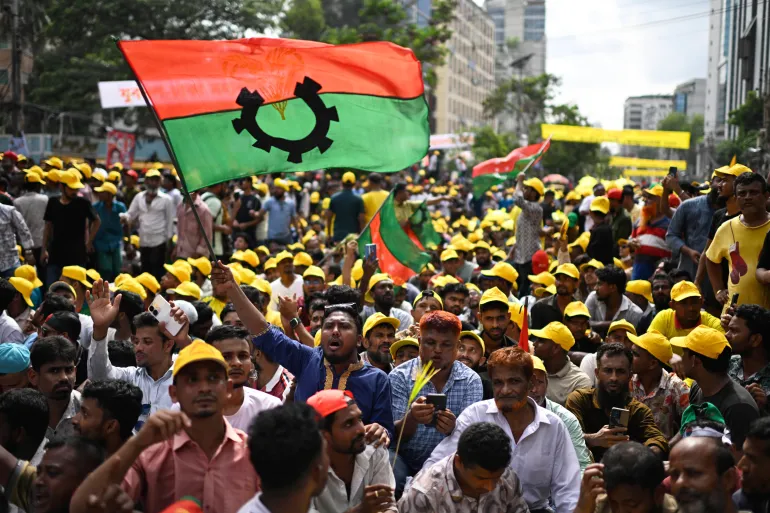
Web desk: Bangladesh has released the official results of its 2026 general election. The outcome marks a decisive shift in the nation’s political journey. Eighteen months ago, mass protests removed former Prime Minister Sheikh Hasina and her party, the Awami League, from office. Therefore, many citizens viewed this election as a crucial test of democratic renewal.
The Bangladesh Nationalist Party secured the largest number of seats in parliament. As a result, its leader Tarique Rahman will form the next government. During the campaign, the party promised accountability, economic stability, and institutional reform. Consequently, many voters supported the BNP to express frustration with the previous administration.
At the same time, Jamaat-e-Islami achieved a strong comeback. After years of political restrictions and court battles, the party regained a central role in national politics. This resurgence has significantly altered the composition of parliament. Together, the BNP and Jamaat-e-Islami will influence major legislative decisions.
Youth participation stood out throughout the election. In fact, nearly half of the electorate voted for the first time. Many young citizens had actively joined the 2024 protest movement. Now, they used their votes to demand transparency and fair governance. Their engagement shows a growing political awareness among the younger generation.
In addition to parliamentary voting, citizens took part in a constitutional referendum. The proposed amendments seek to reform state institutions and reduce executive dominance. Supporters believe these changes will strengthen democratic checks and balances. However, critics urge caution to prevent any concentration of power under new leadership.
Meanwhile, authorities maintained strict security across major cities to ensure order. Observers reported a largely peaceful voting process despite isolated tensions. Voter turnout remained strong, which reflects public interest in shaping the country’s direction.
Now, the focus shifts to governance. The new leadership must address economic strain, rising youth unemployment, and public distrust in institutions. If the government delivers meaningful reform, it can solidify democratic progress. Ultimately, the success of this transition depends on how effectively leaders respond to the high expectations of an energized population.
Read more: Bangladesh Elections 2026: Historic vote under tight security