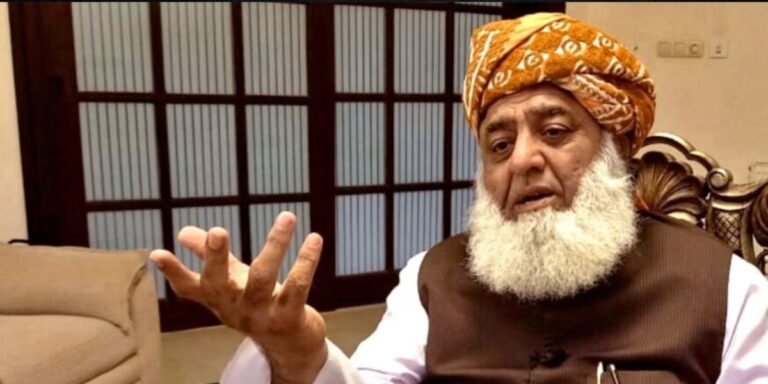



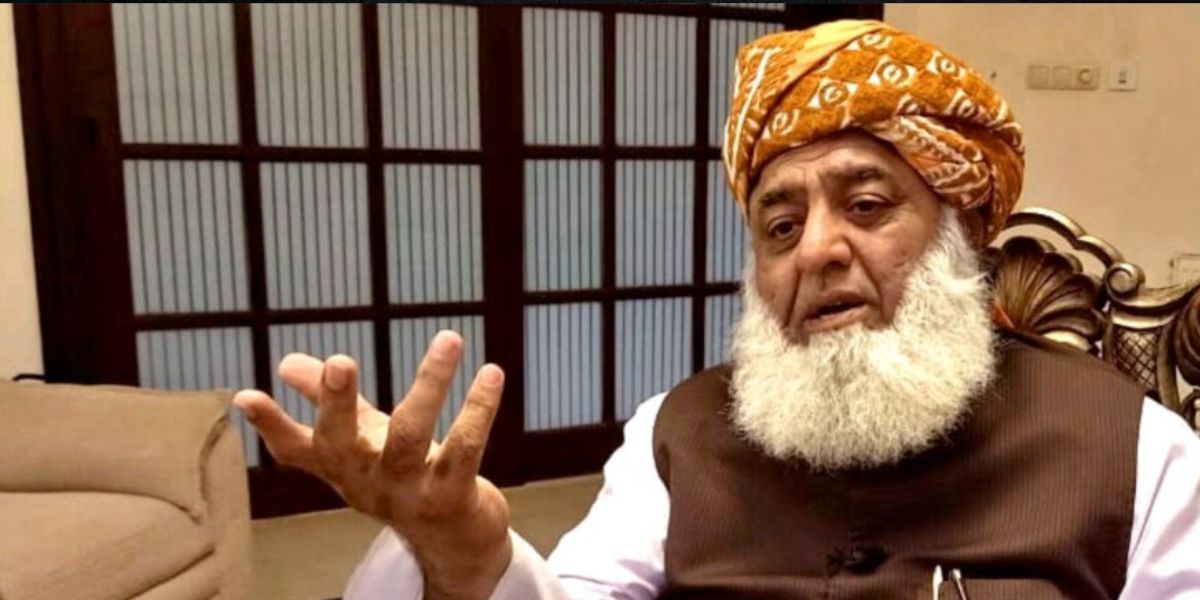
The role of religious seminaries is considered important in the politics of Maulana Fazlur Rehman and Jamiat Ulema-e-Islam (F). However, a fundamental question remains unanswered: Is there a comprehensive, verifiable financial record publicly available detailing the number of seminaries operating under Maulana’s patronage, their students, donations, contributions, Zakat, and financial assistance received from within Pakistan and abroad?
This question is not merely speculation. In November 2019, The News published an investigative report by journalist Zahid Gishkori titled Where Is the Money Coming From? The report examined the sources of funding and expenditures for JUI-F’s Azadi March.
According to the report, a party leader claimed that approximately Rs1.1 billion had been collected for the march, while estimates attributed to the organisers put expenditure at around Rs500 million over three weeks. The party’s finance secretary, Shamsur Rehman Shamsi, also provided details about donations collected from workers and various local councils. These figures were attributed to party leaders and sources at the time and were not findings verified through an independent audit.
Report on Donations Collected from Madrassas Students Raises Further Questions
The same report, citing JUI-F sources, claimed that approximately Rs20 million had been collected through around 10,000 students studying at religious seminaries affiliated with Wafaq-ul-Madaris Al-Arabia Pakistan. According to a statement attributed to a student, each student had been asked to contribute Rs100 for Khatm-e-Nabuwwat conferences.
An important clarification is necessary here: if Rs100 was collected from each of the 10,000 students, the total would amount to Rs1 million, not Rs20 million. The available report does not fully explain this discrepancy. Original receipts, donation collection records, and details of how the money was spent are therefore necessary.
If donations were collected for religious conferences or a specific purpose, transparency requires details of the collection process, the amount received, and the expenditure incurred. The question is whether a complete account was maintained of these donations and the other financial sources used for the march. Was an independent audit conducted, and if so, where are its findings available?
Where Are the Figures for the Number of Madrassas and Their Income?
Verified, consolidated figures regarding the total number of seminaries operating under Maulana Fazlur Rehman’s patronage and their combined income need to be made public. It would be inaccurate to describe all seminaries affiliated with Wafaq-ul-Madaris as Maulana’s personal property or as institutions directly administered by him. The legal ownership, administrative control, and financial responsibilities of each seminary are separate matters.
However, basic information about seminaries operating under Maulana’s patronage should be clear: How many institutions are there? How many students are enrolled? How much money is collected annually through donations and contributions? How much is received in Zakat and charitable donations? How much financial assistance comes from within Pakistan and abroad? And how much of this money is spent on education, accommodation, food, and other expenses?
These questions are not directed against religious seminaries; they are about financial transparency. If accounts have been maintained and audited, publishing the details could help dispel unnecessary suspicions.
NAB’s 26-Question Questionnaire Also Covered Financial Matters
In December 2020, several media outlets, including ARY News, reported that the National Accountability Bureau (NAB) had sent Maulana Fazlur Rehman a questionnaire containing 26 questions.
According to the reports, the questionnaire sought details about his assets, sources of income, 64 kanals of land in Dera Ismail Khan, agricultural land registered in his son’s name, bank accounts, election expenses, and the registration, accounts, and income of seminaries operating under his patronage. Information about the party’s domestic and overseas bank accounts, as well as its sources of funding, was also reportedly included.
Later in December, reports emerged that the questionnaire had been returned by post. However, the available reports do not provide a definitive answer about the outcome of any subsequent investigation, whether the requested information was provided, whether a reference was filed, or whether the proceedings were concluded. The issuance of a questionnaire, by itself, does not establish a crime or financial irregularity.
Audit report needs to be Published
The financial accounts of religious seminaries and the funding of political parties must be examined separately. Donations received by a seminary cannot automatically be treated as party income or classified as expenditure on political activities. Similarly, the general possibility of receiving donations from abroad is not evidence against any particular party or seminary.
Nevertheless, Maulana Fazlur Rehman and JUI-F can reasonably be asked several questions: Where is the complete account of the money collected for the Azadi March? What records are available to verify reports of donations collected from madrassah students? Who audited the annual income and expenditure of the seminaries? Do the relevant institutions maintain bank accounts and financial statements? Where are the details of financial assistance received from abroad recorded? And what happened to the investigations following NAB’s questionnaire?
The public’s question is clear: When will a complete account be made public of the number of seminaries, donations collected from students, contributions, Zakat, domestic and overseas donations, and political funding?
If the relevant accounts and audit reports exist, they should be presented in a verifiable form. If any category of funds has not been audited, an explanation should be provided.
Financial transparency is not a requirement limited to one political leader. It applies to every institution and political party that receives financial assistance from the public, its workers, or donors.
Also Read: Tariq Fazal Demands Rs800 Billion Accountability from PTI