



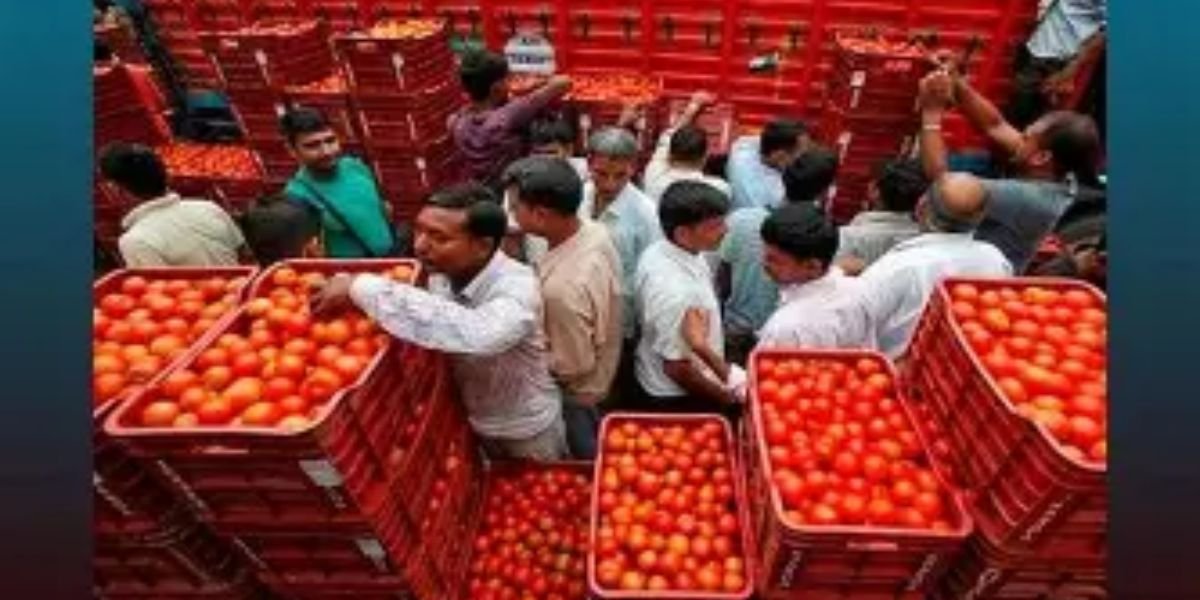
Despite the arrival of Iranian tomatoes, consumers have received no relief, as tomato prices in the in the country have climbed further to between Rs450 and Rs500 per kilogram. Interestingly, retailers are charging the same prices for tomatoes coming from Balochistan as they are for imported Iranian tomatoes.
According to media reports, many traders are currently selling both Iranian and Quetta tomatoes at Rs450 to Rs500 per kilogram, or Rs110 to Rs125 per quarter kilogram (250 grams). Some vendors are offering smaller-sized and unripe tomatoes for Rs400 per kilogram. Traders say many shopkeepers are reluctant to stock Iranian tomatoes because they soften and spoil much faster than locally grown tomatoes. They also point out that there is a noticeable difference in taste between Pakistani and Iranian tomatoes.
Reports further reveal that soaring prices have forced consumers to sharply reduce their purchases. Traders say customers can now buy only two to three small tomatoes for Rs50 to Rs60. At the beginning of this month, tomato prices had already crossed Rs300 per kilogram, compared with Rs120 to Rs160 per kilogram in the third week of June and Rs80 to Rs100 per kilogram in April.
Tomato grower and former Vice President of the Karachi Chamber of Commerce and Industry (KCCI), Younis Soomro, said imports from Iran remain very limited, with only around 10 containers arriving daily. He added that nearly 30 percent of the imported tomatoes are already spoiled by the time they reach Karachi, and their taste does not match the quality of tomatoes grown in Sindh or Balochistan. At present, Balochistan’s crop is the only major domestic source available, but it is insufficient to meet nationwide demand.
Soomro further said tomato cultivation has now begun in Sindh, with the new crop expected to reach markets by mid-September. Sindh’s previous crop ended in April, while crops from Khyber Pakhtunkhwa and Punjab usually arrive in May and June and are generally sufficient only to meet local demand within those provinces.
Experts and dealers say that fuel price hike directly impact the prices of vegetables and other commodities. They also say that unfavorable climate and weather conditions have also added to the shortage of tomatoes.
Also Read: OGRA announces revised fuel prices