
Web Desk: Pakistan is set to establish its first Food and Agriculture Museum at the University of Agriculture Faisalabad (UAF), with the project expected to receive Rs300 million in phased funding to preserve the country’s agricultural heritage and showcase its transition to modern farming.
The initiative was reviewed during the third Joint Technical Meeting chaired by Punjab Higher Education Commission (PHEC) Chairperson Prof. Dr. Iqrar Ahmad Khan. UAF Vice Chancellor Prof. Dr. Zulfiqar Ali welcomed participants and outlined the significance of the project.
Addressing the meeting, Prof. Dr. Iqrar Ahmad Khan said rapid modernisation has weakened societies’ connection with their cultural and agricultural roots, making efforts to preserve historical knowledge increasingly important.
He described museums as institutions that not only safeguard artifacts but also document the scientific, cultural and social evolution of farming communities while promoting education, research and public awareness.
Prof. Khan also recalled that the institution, originally established as the Punjab Agricultural College and Research Institute in Lyallpur, was created following recommendations of the colonial-era Famine Commission to modernize agriculture in the subcontinent.
According to Prof. Khan, the Punjab Higher Education Commission is expected to allocate Rs300 million for the museum in phases under the Annual Development Program.
The funding will support the establishment of specialized galleries highlighting different stages of Pakistan’s agricultural development.
UAF Vice Chancellor Prof. Dr. Zulfiqar Ali said preserving agricultural heritage is essential to ensure that traditional farming knowledge is passed on to future generations while inspiring innovation in the sector.
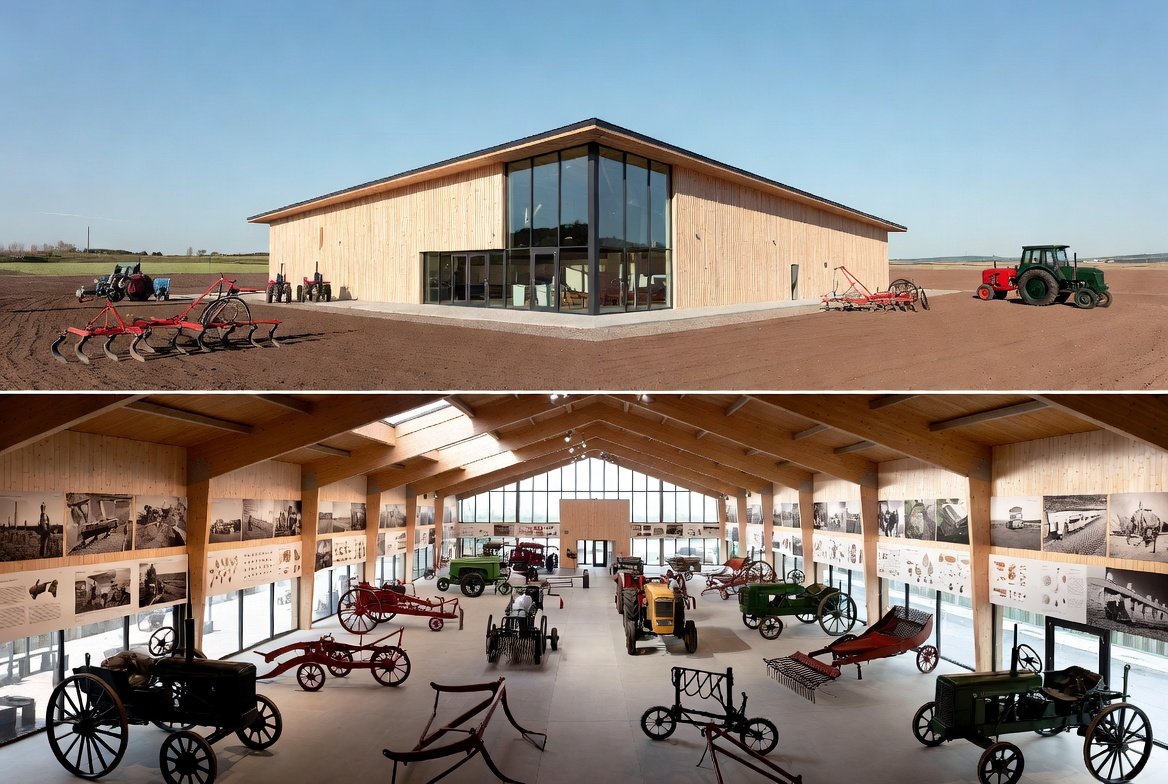
The museum will be the first dedicated Food and Agriculture Museum in Pakistan and will feature an indoor exhibition area spanning approximately 55,000 square feet.
Visitors will be able to explore displays illustrating the country’s agricultural journey, from indigenous seed varieties and traditional wooden plows to greenhouse cultivation, genomic breeding techniques and digital precision farming technologies.
Officials said the museum aims to connect Pakistan’s rich agricultural history with emerging technologies, offering students, researchers and the public a comprehensive view of how farming has evolved over the decades.
The project is expected to serve as a national center for preserving agricultural heritage while promoting innovation and awareness of the country’s food production systems.
Read more: Pakistan Railways recover 2,552 acres of encroached land, seizes 32 tonnes of stolen material