


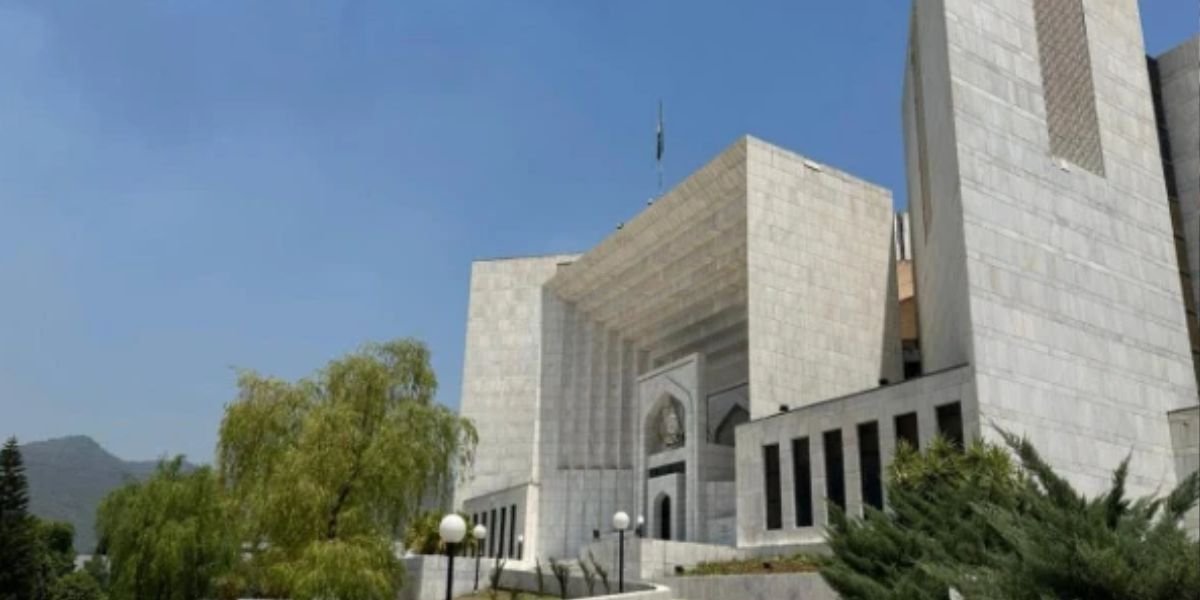
PTI has filed a contempt of court petition in the Supreme Court over the issue of its founder’s transfer from prison to a hospital.
The petition seeks contempt proceedings for not transferring the PTI founder to a hospital despite court orders. It also asks the court to declare the respondents guilty of contempt and punish them according to law, while requesting that the PTI founder be immediately transferred to Shifa International Hospital in Islamabad.
PIMS Administration Issues Statement on PTI Founder’s Medical Examination
Earlier, the PIMS administration issued a statement regarding the PTI founder’s medical examination, saying that the patient’s privacy and the Supreme Court’s directions would be fully respected.
According to the statement, confidential details of the medical report would not be disclosed. The PTI founder was brought to PIMS Hospital during the night between August 20 and 21, where two specialist doctors from Shifa International Hospital participated in his eye examination.
The statement said other medical examinations were conducted by relevant PIMS specialists, and the medical opinion obtained from the eye examination was incorporated into the overall medical assessment.
According to the PIMS administration, the medical board compiled all medical findings and prepared a fitness report. However, the confidential contents of the report would not be disclosed.
Government Files Review Petition Over Imran Khan’s Transfer to Shifa Hospital
The government had earlier filed a review petition against the Supreme Court’s decision to transfer Imran Khan to Shifa Hospital.
The petition argues that transferring a prisoner to a private hospital would disrupt the criminal justice system, as other prisoners could also demand similar treatment in violation of prison rules. It says that if the Supreme Court does not withdraw its order, it could “open the floodgates,” allowing all prisoners to seek special treatment at hospitals of their choice.
The petition further argues that the district election commissioner was also a party in the case, but the Supreme Court did not take notice of this during the proceedings.
According to the petition, the Supreme Court’s decision is based on clear legal errors present on the record. It argues that transferring a convicted prisoner to a private hospital is contrary to the Pakistan Prison Rules 1978, which contain no provision for admitting a prisoner to a private hospital.
Under the law, the petition states, prisoners can receive treatment at a prison, civil or district headquarters hospital.