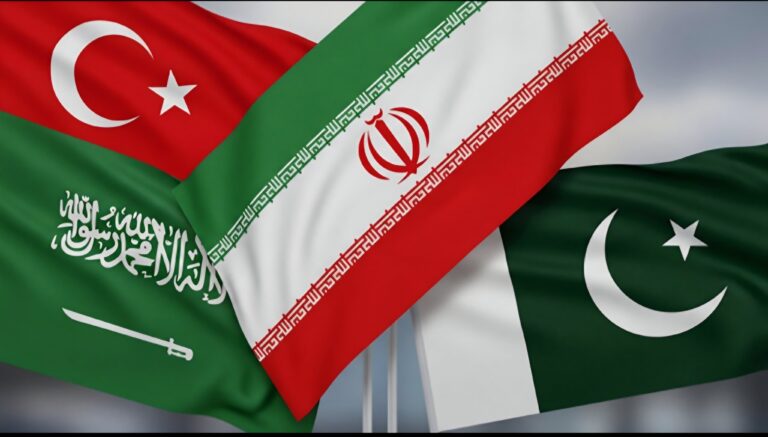



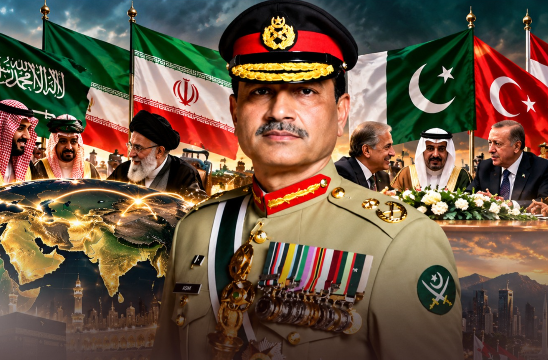
Web Desk: A high-level meeting bringing together Pakistan, Saudi Arabia, Türkiye and Iran in Tehran has been portrayed as a significant diplomatic development, with the four countries discussing regional security and the future of the region.
The meeting comes amid heightened tensions across the Middle East and growing calls for regional countries to play a greater role in shaping their own security arrangements.
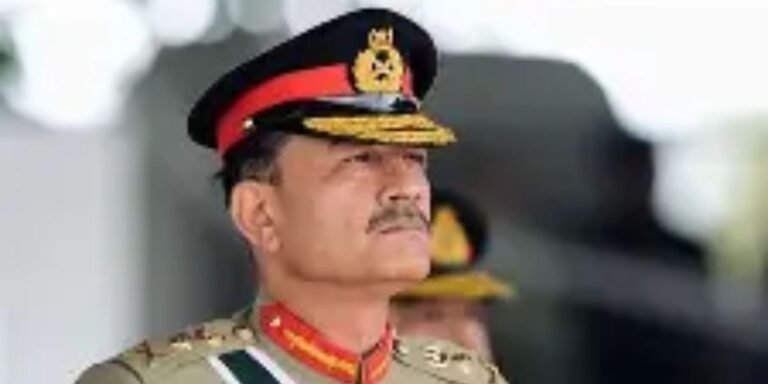
Pakistani media reports have credited Field Marshal Syed Asim Munir with playing a central role in efforts to bring the four countries closer together.
Islamabad has continued to advocate dialogue and regional cooperation despite differences among the participating states. The latest meeting is being viewed as a possible opening for deeper coordination between countries that have historically faced political disagreements and strategic mistrust.
However, one meeting alone cannot erase decades of tensions. Still, the gathering could provide a platform for rebuilding communication and developing areas of common interest.
The Tehran meeting has also been described by Pakistani commentators as more than a routine diplomatic engagement, particularly following the recently announced defence cooperation between Pakistan and Saudi Arabia.
The participation of Iran alongside Saudi Arabia and Türkiye, with Pakistan also at the table, could create new opportunities for dialogue on regional security, economic cooperation and crisis management.
Rather than relying solely on outside powers, the four countries could seek greater regional ownership of decisions affecting their security and stability.
Despite the optimism surrounding the meeting, significant differences remain between the participating countries. Their competing interests, longstanding disputes and relationships with major global powers could make deeper cooperation difficult.
The immediate challenge will therefore be to turn diplomatic engagement into sustained dialogue and practical cooperation.
For Pakistan, the development offers an opportunity to reinforce its role as a bridge between regional powers. If Islamabad can maintain momentum, the Tehran meeting could become an important step toward a broader regional framework focused on stability, cooperation and economic connectivity.
Read more: FM Asim Munir Deserves Credit for Tehran Meeting, Says Mushahid