



Web Desk: Pakistan’s Chief of Defence Forces and Chief of Army Staff, Field Marshal Syed Asim Munir, has travelled to Iran for an official visit as Islamabad pushes for regional cooperation amid escalating tensions in the Middle East.
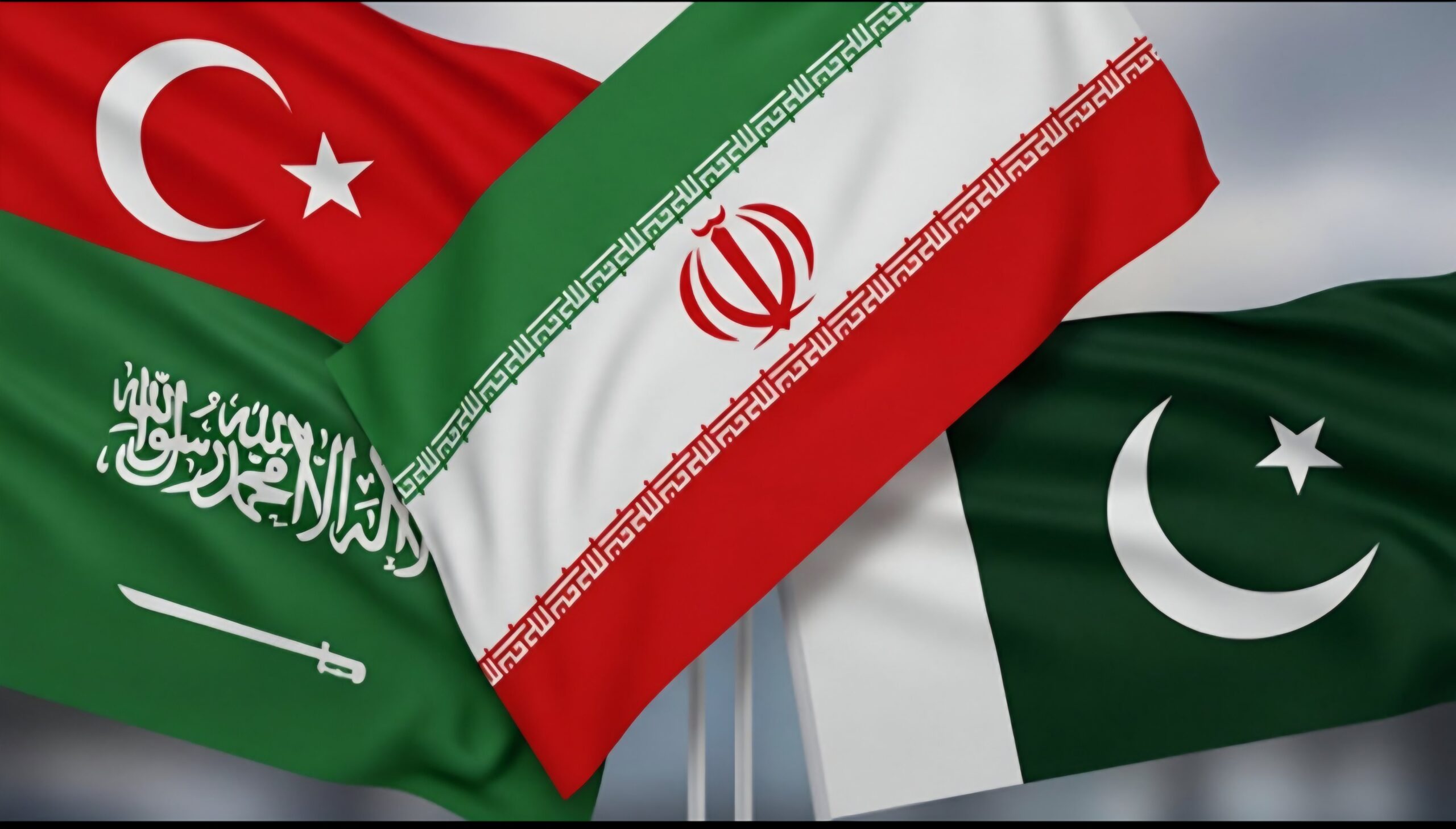
The visit comes ahead of a planned four-country meeting involving Pakistan, Iran, Saudi Arabia and Türkiye, according to Iranian officials. The talks are expected to focus on regional security and ways to address the growing instability affecting the region.
Iranian Foreign Ministry spokesman Esmaeil Baghaei said on Monday that Tehran had accepted a proposal from Munir to convene a meeting involving the four countries.
Baghaei said discussions would cover the conflict involving Iran and the United States, Israel’s regional policies and the situation in Lebanon.
Meanwhile, Ali Bagheri Kani, deputy secretary of Iran’s Supreme National Security Council, said Saudi Defence Minister Prince Khalid bin Salman, Munir and Turkish intelligence chief Ibrahim Kalin would attend a joint meeting in Tehran with Iranian officials.
According to Iranian state media, the initiative aims to promote what Tehran describes as “endogenous security” in West Asia, emphasising regional cooperation in addressing security challenges.
Pakistan’s latest engagement with Tehran comes as regional tensions threaten to widen and diplomatic efforts continue to seek ways to prevent further escalation.
Munir had proposed the four-country meeting during an earlier interaction with Iranian officials, Baghaei said. The initiative brings together countries with significant security and diplomatic interests in the region.
Pakistan maintains close defence ties with Saudi Arabia while sharing a border and longstanding diplomatic relations with Iran. Türkiye, meanwhile, is an important regional partner with its own security interests across the Middle East.
Consequently, the proposed meeting offers an opportunity for the four countries to discuss shared concerns and explore regional approaches to stability.
The diplomatic initiative comes amid continuing confrontation involving Iran, the United States and Israel, alongside instability in Lebanon and wider concerns about regional security.
Iranian officials have called for greater cooperation among regional states and have criticised what they describe as external interference in West Asian affairs.
However, the outcome of the proposed meeting remains uncertain. The key question is whether the participating countries can translate their discussions into practical measures to reduce tensions and strengthen regional security.
For Pakistan, the visit underscores Islamabad’s efforts to remain engaged with regional partners as developments in the Middle East carry wider implications for security, diplomacy and economic stability.
Read more: Former Army Chief Abdul Waheed Kakar passes away as military leadership pays tribute