


Web Desk: A new investigative report has raised questions over the Khyber Pakhtunkhwa government’s handling of the province’s worsening security situation, alleging that some provincial policies have weakened the fight against terrorism and created administrative gaps that could further complicate security operations.
The report makes a series of allegations against the Pakistan Tehreek-e-Insaf-led provincial government, including claims of inadequate political engagement in terrorism-hit districts, insufficient coordination on security matters and proposed changes to the police command structure.
However, several of the report’s strongest allegations, including claims that the provincial government has facilitated terrorist groups, could not be independently established from the sources reviewed.
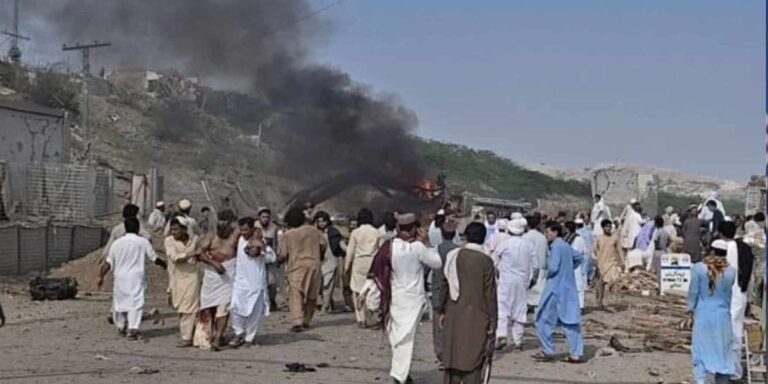
Khyber Pakhtunkhwa has remained one of Pakistan’s main theatres of terrorist violence. Official provincial police figures show that 1,762 terrorism-related cases were registered in KP in 2025, compared with 1,163 in 2024, an increase of 52%. The police also recorded 536 attacks against the force in 2025, up 48% from the previous year.
Independent security data also shows the scale of the challenge. The South Asia Terrorism Portal recorded 2,359 terrorism-related fatalities in KP during 2025 and 1,626 through Sept. 21, 2026, although its figures are compiled from media reports and remain provisional.
Against this backdrop, the report argues that provincial authorities need to devote greater attention to security, policing and governance in the areas most exposed to terrorist attacks.
The report specifically questions Chief Minister Sohail Afridi’s engagement with terrorism-affected districts, alleging that he had not visited North or South Waziristan, Mohmand or Orakzai since taking office in October 2025.
Afridi was sworn in as chief minister on Oct. 15, 2025.
The report also criticises what it describes as limited high-level security coordination. It claims that only one formal Apex Committee meeting was held under Afridi’s administration by February 2026.
However, official provincial records show that Afridi participated in a high-level meeting on law and order in February 2026, attended by federal representatives and senior civilian and military officials. The meeting reviewed security, economic, development and law-and-order issues in the province.
The report links the deterioration in security to provincial governance and cites a 52% increase in terrorism during 2024-25.
The 52% figure is supported by the KP Police’s own annual data, although the police report records an increase in registered terrorism cases rather than establishing that provincial government policies caused the rise. According to the police, cases increased from 1,163 in 2024 to 1,762 in 2025.
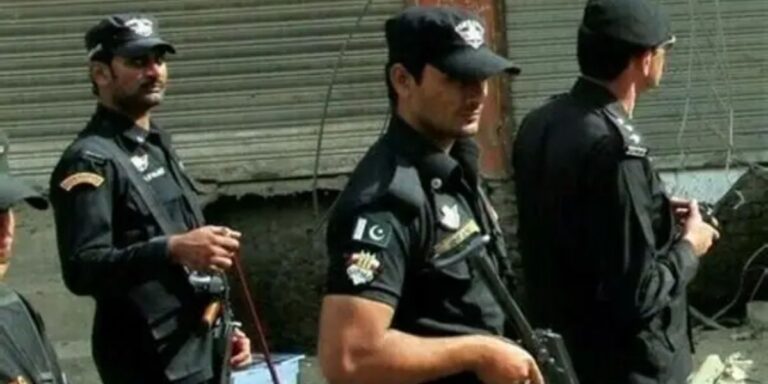
The police also reported 459 terrorists killed during armed encounters in 2025, alongside more than 3,200 intelligence-based operations and more than 1,300 arrests, highlighting the scale of counterterrorism activity taking place across the province.
The available data therefore establishes a significant increase in the security threat, but does not by itself establish that the provincial government was responsible for the increase.
The report also focuses on changes to the provincial police structure, arguing that any move that increases political control over police appointments, transfers or policymaking could affect the force’s operational independence during an active counterterrorism campaign.
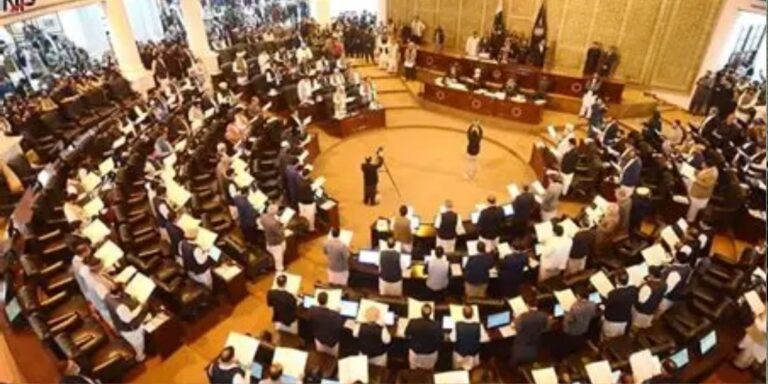
The issue gained renewed attention this week after the KP cabinet approved a revised Police Act 2026. The provincial government said the legislation was intended to strengthen police accountability, professional efficiency and public service delivery. The approved draft is to be presented to the provincial assembly for further legislative proceedings.
Critics, however, have argued that greater government control over police postings and policymaking could affect the force’s autonomy. Those concerns remain part of the ongoing political and legislative debate rather than an established finding that the changes would weaken counterterrorism operations.
The report also refers to a Sept. 17, 2024 incident in Peshawar involving Afghanistan’s acting consul general, Hafiz Mohibullah Shakir.
During a Rehmat-ul-Alameen conference hosted by then-KP Chief Minister Ali Amin Gandapur, Shakir remained seated while Pakistan’s national anthem was played. Pakistan’s Foreign Office subsequently lodged a strong protest, saying that failure to respect the host country’s national anthem violated diplomatic norms.
Afghan diplomatic representatives said the official had not intended to disrespect Pakistan and attributed his decision to his religious objection to music.
The incident has since been cited by political critics as an example of what they describe as an inadequate provincial response to actions by Afghan officials.
The report ultimately argues that the worsening security environment requires stronger coordination between provincial authorities, police, federal institutions and security agencies.
At the same time, the available evidence points to a more complex picture. KP’s security crisis has multiple drivers, including terrorist networks operating along the Pakistan-Afghanistan border, while provincial police have continued conducting large-scale counterterrorism operations.
The latest figures underline the challenge: terrorism-related cases increased sharply in 2025, while police operations, arrests and counterterrorism actions also expanded.
As the KP government moves ahead with changes to the police framework, the debate is likely to remain focused on how the province can balance administrative control, police autonomy and effective coordination in the fight against terrorist violence.