


Web Desk: Pakistan’s major seaports are experiencing an unprecedented rise in vessel traffic and cargo handling, as shifting regional dynamics and policy changes drive new trade flows through the country.
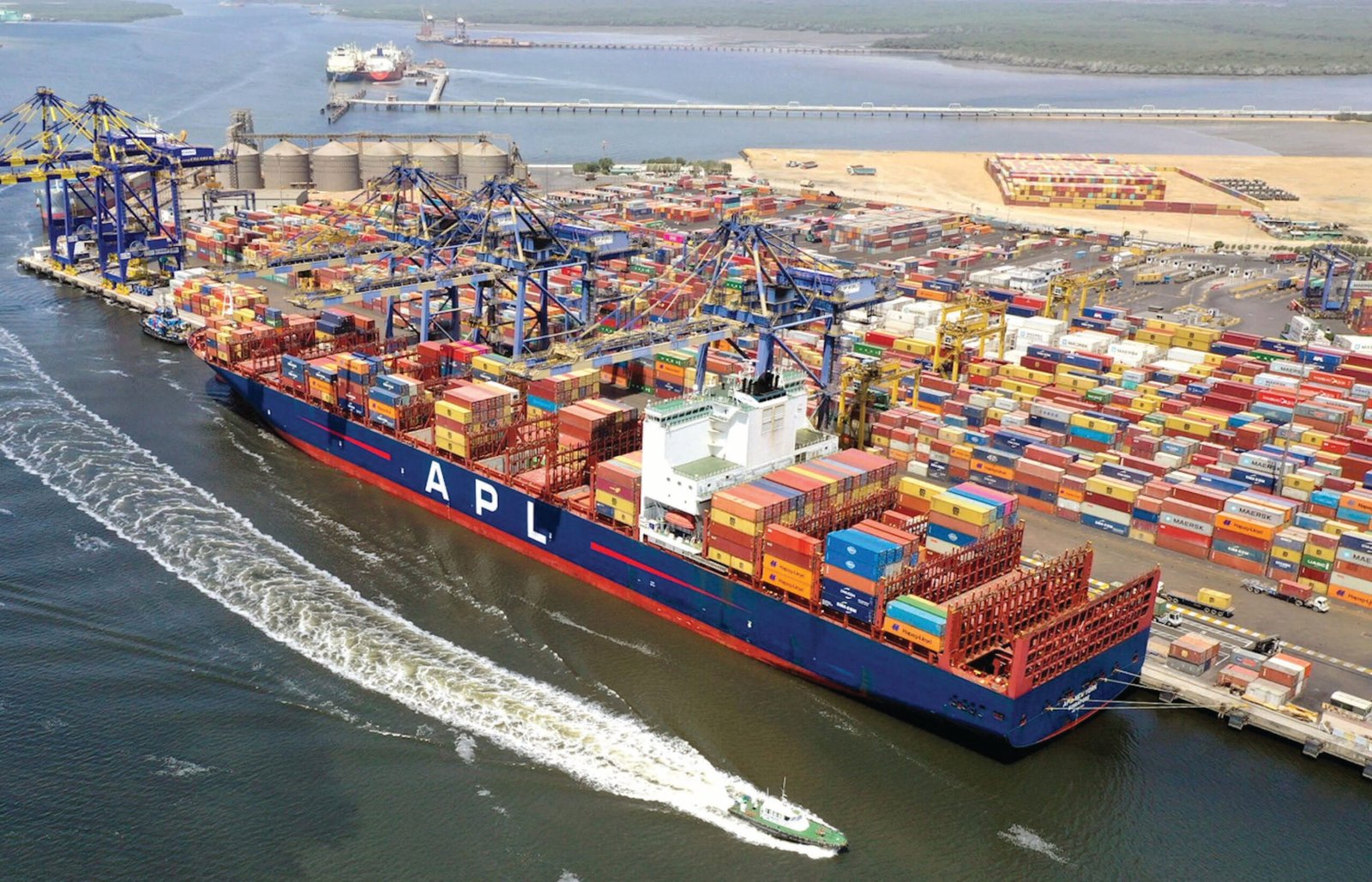
Currently, Karachi Port is hosting 54 vessels, while Port Qasim is handling 18, with officials expecting queues to persist into next week. Meanwhile, Gwadar Port is also reporting a spike in docking requests, underscoring mounting pressure across the country’s maritime infrastructure.
This surge reflects Pakistan’s expanding role in regional commerce. Analysts say the growing throughput at these ports highlights the country’s strategic position along key maritime trade corridors, even as it poses challenges for competing ports in neighboring countries.
At the same time, the federal government has introduced measures to facilitate cross-border trade. Authorities have temporarily waived requirements for bank guarantees and letters of credit on exports routed through Iran.
The exemption, approved by the Ministry of Commerce under the direction of Commerce Minister Jam Kamal Khan, applies from March 24 to June 21, 2026. It allows exporters to ship goods to Iran, Azerbaijan and Central Asian states via land routes without standard financial instruments.
Officials say the move is designed to ease constraints on exporters and expand regional trade. Approved export items include agricultural products such as rice, onions, potatoes and fruits, along with seafood, meat, pharmaceuticals and tents.
However, the surge in port activity is not driven by policy alone. Ongoing conflict-related disruptions in Gulf shipping lanes have forced vessels to seek alternative routes, pushing additional cargo toward Pakistan.
Since early March, Karachi’s ports have recorded a sharp increase in transshipment activity, as ships avoid higher-risk passages linked to escalating tensions involving the United States, Israel and Iran. Restrictions in the Strait of Hormuz and reported attacks on maritime infrastructure have slowed operations across the Gulf.
As a result, traditional hubs such as Oman’s Salalah and the UAE’s Jebel Ali have faced disruptions, creating an opening for Pakistan’s ports to absorb redirected cargo.
Industry officials describe Karachi’s ports as a temporary refuge for shipping lines navigating uncertain conditions. Mohammad Rajpar, chairman of the Pakistan Ship’s Agents Association, said the Port of Karachi has handled roughly three-quarters of the diverted cargo, with the remainder processed at Port Qasim.
The surge has been so significant that operations at Karachi Port continued through Eid al-Fitr for the first time in its 172-year history, reflecting the scale of demand.
Higher insurance premiums have further accelerated the shift. Shipping costs within the Persian Gulf have risen sharply, with risk premiums reportedly several times higher than those associated with Pakistani ports.
Opportunity may extend beyond current crisis
Experts believe the current trend could outlast the immediate conflict. Even if tensions ease quickly, restoring traditional shipping routes may take months, while elevated risk perceptions could persist longer.
Some analysts estimate that the effects on regional shipping patterns may continue for several years. They argue that Pakistan has a rare opportunity to establish itself as a long-term transshipment hub, provided it can maintain efficiency and competitive costs.
Recent regulatory adjustments, including changes to customs procedures aimed at expediting cargo handling, are seen as steps in the right direction. However, industry observers caution that sustained improvements will be essential if Pakistan hopes to convert the current surge into lasting economic gains.
Read more: Iran slams Trump’s ultimatum, says pressure is mounting on Washington