

The liver is one of the organs of the human body that is generally not taken seriously until it begins causing problems, and for some people, by then it is too late.
Liver disease specialists have warned that the liver can continue functioning without obvious symptoms even when 70 to 80 percent of it has been affected, leaving millions unaware of their condition for years.
According to experts, the liver does not have nerves that sense pain, while it has an extraordinary ability to continue functioning despite severe damage. As a result, conditions such as metabolic dysfunction-associated steatotic liver disease (MASLD), or fatty liver, can progress silently for 10 to 30 years and are often detected only when the liver has already suffered significant damage.
Medical experts estimate that 30 to 40 percent of the adult population in the UAE may have fatty liver disease. If the condition is not treated in time, it can progress to liver inflammation, fibrosis, cirrhosis, liver failure and even the need for a liver transplant.
According to medical experts, liver diseases are increasingly affecting younger people due to obesity, diabetes, metabolic syndrome and sedentary lifestyles. They said fatty liver is not limited to people who are overweight; individuals with normal weight can also develop the condition due to genetic predisposition, an unbalanced diet and lack of physical activity.
Around 60 percent of people with type 2 diabetes have fatty liver, while rising rates of obesity and diabetes are also contributing to an increase in cases of cirrhosis and other serious liver diseases.
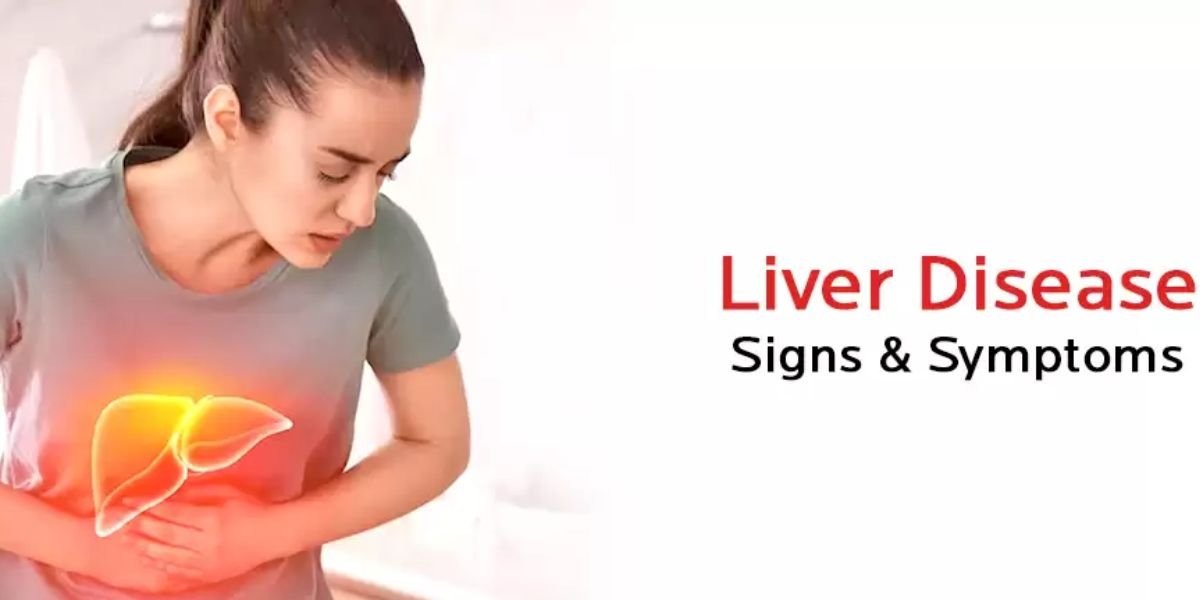
Experts warned that symptoms are often minimal in the early stages. However, persistent fatigue, loss of appetite, pain or discomfort in the upper abdomen, nausea and weakness should not be ignored. If the skin or eyes begin turning yellow, urine becomes dark, swelling develops in the legs or abdomen, the skin bruises easily, or mental confusion occurs, medical attention should be sought immediately, as these may indicate severe liver damage.
Experts said that diets high in sugar, processed foods, sugary drinks, lack of sleep, stress, physical inactivity, unnecessary use of painkillers, and herbal remedies and gym supplements taken without medical advice can also damage the liver.
Doctors advised people with diabetes, obesity or other risk factors to undergo necessary medical examinations at least once a year, including liver function tests, ultrasound or FibroScan, blood sugar and lipid profile tests, to enable timely diagnosis and treatment.
Experts said that weight loss, a balanced diet, regular exercise, and controlling diabetes and cholesterol, along with adopting a healthy lifestyle, can slow the progression of many liver diseases. In some cases, liver damage may also be partially reversible when detected at an early stage.
Experts stressed that liver disease often remains silent, so regular medical check-ups, rather than waiting for symptoms to appear, are an effective way to detect and manage the condition early.
Also Read: Scientists make major discovery about COVID-19 booster vaccines