


LAHORE: Chief Minister Punjab Maryam Nawaz Sharif visited Shahdara on Friday to personally review the flood situation caused by the rising water levels in the Ravi River. Her visit came at a critical time when thousands of families in low-lying areas were facing displacement, and urgent rescue operations were underway.
During her visit to the Ravi embankment, CM Maryam Shahdara visit became a significant step in evaluating not only the current relief operations but also in directing long-term rehabilitation measures. Addressing the media and local officials, the chief minister praised the coordinated efforts of rescue teams and emphasized that timely interventions had saved thousands of lives.
CM Maryam Shahdara Visit Highlights
Maryam Nawaz highlighted that the NDMA, PDMA, police, civil defense, and Pakistan Army played a pivotal role in the rescue mission. According to her briefing, over 50,000 people were successfully evacuated from vulnerable zones due to an effective early warning system and rapid response strategies.
She further pointed out that livestock losses were minimal compared to past floods because of quick evacuations. “Our joint teams worked tirelessly to ensure not just the safety of people, but also their livelihoods,” she remarked during the Shahdara inspection.
Situation at Shahdara and Surrounding Areas
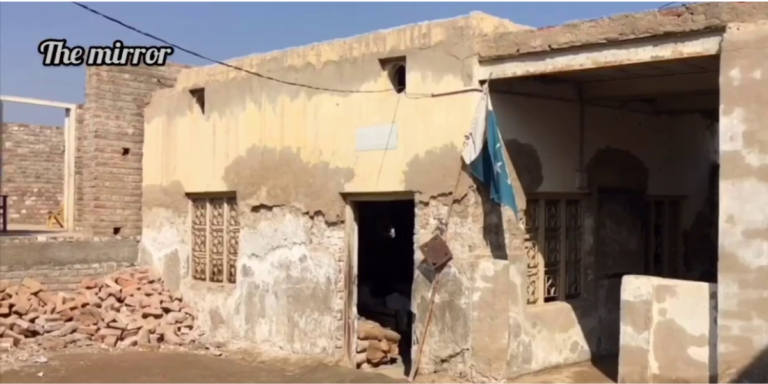
While reviewing the flood-hit parts of Shahdara, CM Punjab was briefed on the damages to religious and community sites. Large sections of the Gurdwara in the area were inundated. Maryam Nawaz immediately directed authorities to accelerate drainage work in order to preserve cultural and religious landmarks.
The visit also shed light on the scale of infrastructural damages. Around 200 kilometers of roads were washed away or severely damaged, disrupting connectivity between Shahdara and other areas of Lahore. CM Maryam ordered the swift restoration of temporary routes to ensure that relief supplies could continue reaching flood-affected families without delay.
Healthcare and Emergency Response Measures
Another important focus of the CM Maryam Shahdara flood visit was health preparedness. The chief minister instructed health authorities to activate field hospitals across flood-hit areas. Additionally, she directed that more than 1,000 mobile clinics be diverted to provide urgent medical aid in regions affected by the Ravi floods.
Maryam Nawaz also stressed that vaccines and essential medicines must be stocked in sufficient quantities. She instructed officials to prioritize women, children, and the elderly in rescue and healthcare services. “Our vulnerable populations need the most protection. No relief mission will be complete until their safety and health are ensured,” she said.
Long-Term Rehabilitation and Infrastructure Plans
Beyond immediate relief, CM Punjab emphasized the need for long-term flood management strategies. She underlined the importance of building water storage infrastructure to conserve maximum water during peak floods and reduce wastage. According to her, proper planning would not only minimize future flood risks but also strengthen water management for agricultural use.
She also directed provincial authorities to design comprehensive rehabilitation programs for displaced communities. “Rebuilding homes, restoring schools, and reconstructing roads must be our top priority once rescue operations settle,” Maryam Nawaz said during her Shahdara field briefing.
Collaboration and Community Spirit
Maryam Nawaz lauded the collective spirit shown by rescue teams, volunteers, and local communities. She acknowledged that without the swift coordination between civil and military institutions, the magnitude of losses could have been much higher.
Local residents in Shahdara also appreciated the chief minister’s visit. Many expressed relief that their concerns were being directly addressed at the highest provincial level.
Why CM Maryam Shahdara Visit Matters?
The CM Maryam Shahdara visit reflects her government’s proactive approach toward disaster management. By being physically present in the flood-affected region, she not only monitored the situation but also provided on-the-spot directives to speed up relief efforts.
Her emphasis on rescue, healthcare, infrastructure repair, and long-term water storage solutions shows a balanced approach between immediate needs and future preparedness. For many families in Shahdara, her presence was a reassurance that the provincial government is prioritizing their recovery.
Conclusion
The Shahdara visit of CM Maryam Nawaz Sharif highlighted the seriousness of the Punjab government in handling natural disasters. From praising the rescue of over 50,000 people to directing swift health and infrastructure responses, Maryam Nawaz ensured that immediate action and long-term planning go hand in hand.
Her clear focus on vulnerable populations, healthcare readiness, and rehabilitation plans also indicated a forward-looking strategy for flood management. As CM Maryam Shahdara efforts continue, her visit will be remembered as a significant moment in Punjab’s ongoing fight against floods and climate challenges.