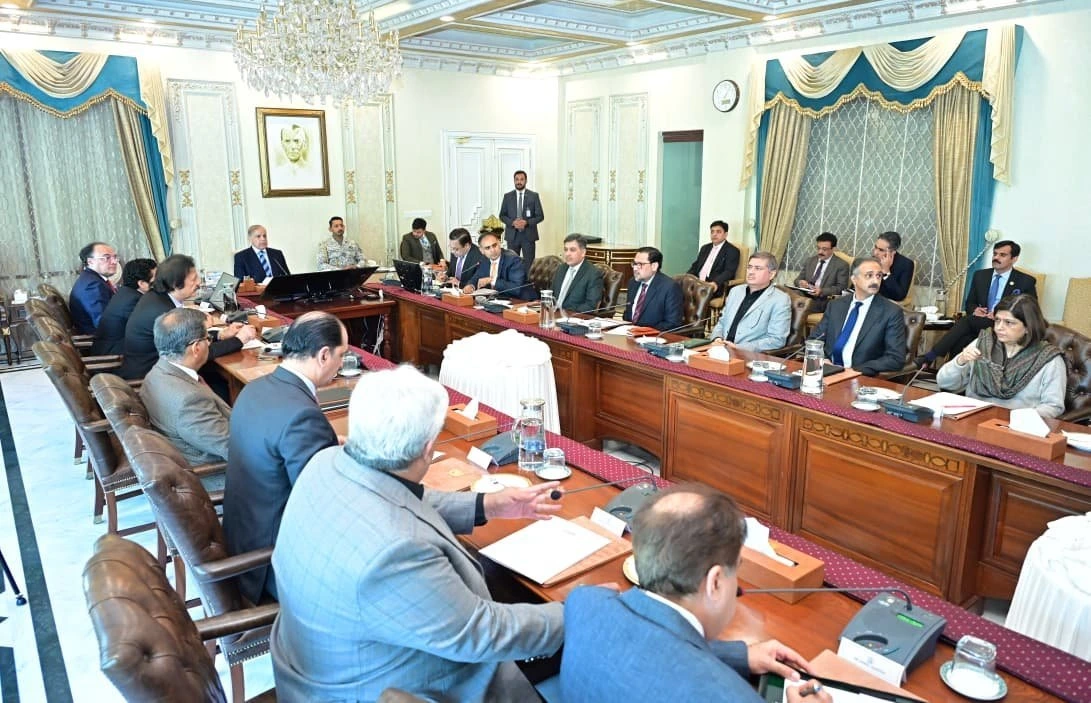
Islamabad: Prime Minister Shehbaz Sharif on Tuesday led a high-level meeting of the newly formed Tax Reforms Working Group, bringing together private-sector experts and business leaders to chart a path toward overhauling Pakistan’s tax system and improving the country’s investment environment.
Focus on Strengthening the Business Climate
Sharif told participants that the government values compliant businesses and sees them as central to raising national revenue. He stressed that only a vibrant and competitive private sector can drive sustainable tax collection and long-term economic growth.
The prime minister added that his administration is pursuing long-range economic planning aimed at strengthening enterprises and expanding Pakistan’s export base, with several practical measures already underway.
Committee Formed to Advance Reform Proposals
During the session, the working group reviewed detailed recommendations submitted by private-sector members. As a next step, Sharif announced the formation of a committee headed by the finance minister to transform those proposals into an actionable roadmap. The committee is expected to prioritize reforms that simplify compliance, broaden the tax base and improve transparency.
Business representatives thanked the prime minister for abolishing the Export Development Surcharge, calling it a positive step toward reducing costs for exporters.
Ministers, Advisers Participate in High-Level Discussions
Federal ministers Ahad Khan Cheema, Muhammad Aurangzeb, Ali Pervaiz Malik, Minister of State Bilal Azhar Kayani, Special Assistant Haroon Akhtar and senior officials also joined the meeting.
Working Group Chairman Shehzad Saleem and other members presented comparative analyses of tax rates across different sectors, highlighting areas where Pakistan lags behind regional competitors.
Private Sector Calls for Competitive, Predictable Tax Regime
Participants emphasized that meaningful tax reform is essential to attracting investment, accelerating private-sector growth and increasing exports. They urged the government to harmonize tax policies, reduce unnecessary burdens and address bottlenecks that hinder Pakistan’s competitiveness in the region.
The meeting concluded with a consensus that sustained collaboration between the government and private sector will be critical to modernizing Pakistan’s tax framework and stabilizing the economy.
Read more: Samsung Galaxy Z TriFold Is Here and It’s Truly Unbelievable