Web Desk: The United States carried out a fresh round of military strikes against Iran on Wednesday, saying the attacks were intended to protect commercial shipping through the Strait of Hormuz after recent assaults on cargo vessels. Iran responded with missile and drone attacks targeting Kuwait and Bahrain, deepening a regional confrontation that has cast fresh doubt over efforts to end the conflict.
The latest escalation came only hours after President Donald Trump declared that he believed an interim ceasefire agreement with Iran was effectively finished.
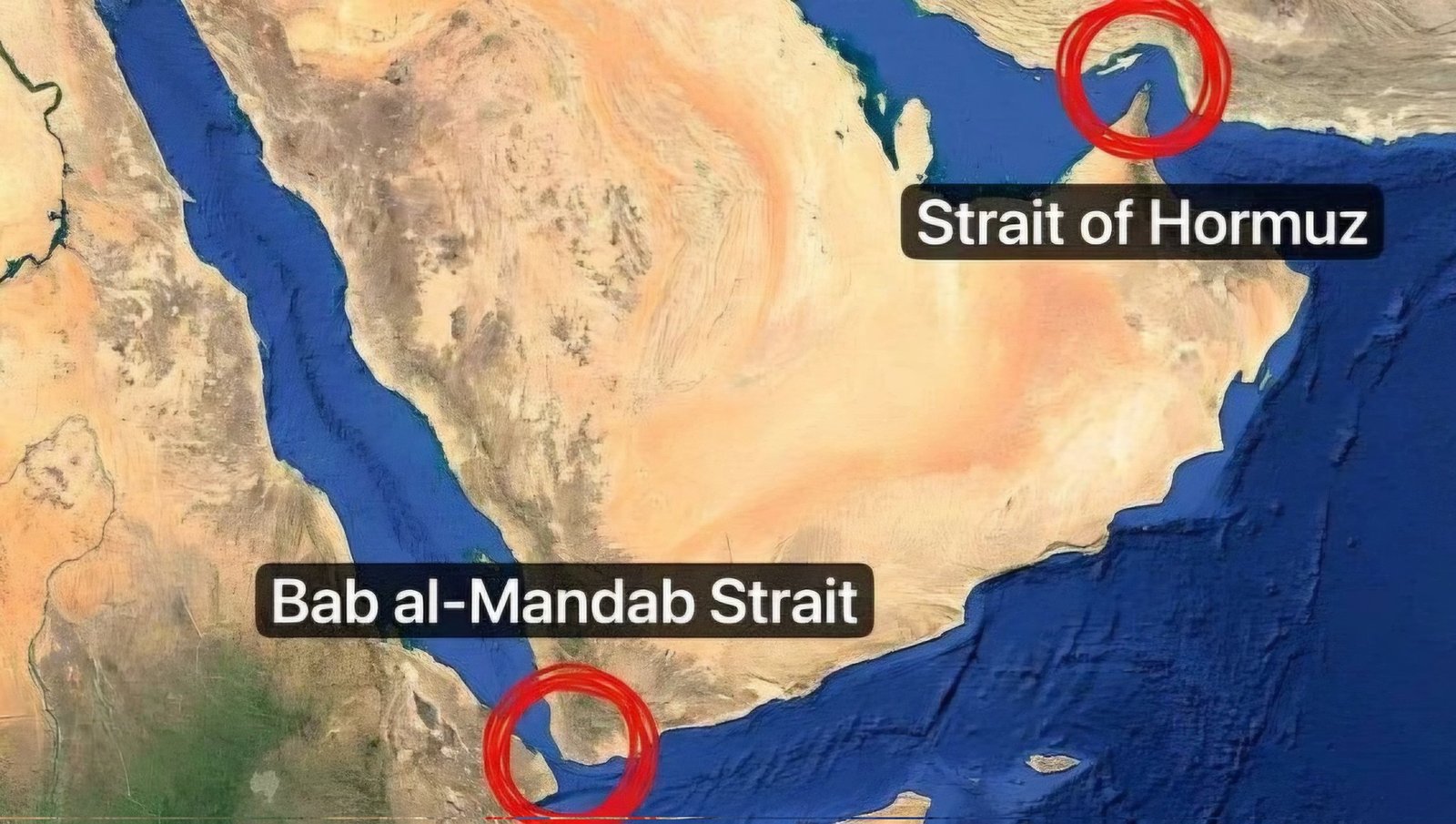
The US military said the latest operation targeted Iran’s ability to threaten navigation through the Strait of Hormuz, a strategic waterway that serves as one of the world’s most important oil transit routes.
In a statement posted on X, US Central Command (CENTCOM) said American forces had begun additional strikes to safeguard freedom of navigation and hold Iran responsible for recent attacks on commercial vessels and civilian crews operating in the waterway.
A US official, speaking on condition of anonymity, said Wednesday’s operation involved more strikes than those launched a day earlier.
Trump also defended the action, describing it as retaliation for attacks on three cargo ships that were transiting the strait on Tuesday. He warned that any further assaults on commercial shipping would trigger a stronger US response.
Iran responded with a second consecutive day of missile and drone attacks targeting Kuwait and Bahrain, both of which host US military installations.
Kuwait’s Defense Ministry said its air defense systems intercepted incoming missiles and drones. Meanwhile, Qatar briefly issued an elevated security warning before later announcing that the immediate threat had passed.
The exchange heightened concerns that the conflict could spread further across the Gulf region.
Iranian media reported explosions and strikes across several locations along the country’s southern coastline, stretching from the Strait of Hormuz to the Gulf of Oman.
Among the areas affected were Bandar Abbas, home to Iran’s largest commercial port and major naval facilities, along with the coastal cities of Konarak and Chabahar.
Local media said electricity was restored to most of Chabahar after strikes temporarily disrupted power supplies. Reports also indicated that a maritime traffic control tower in the city sustained damage.
Elsewhere, state media said a firefighter was killed during a strike on Iranshahr airport, while Press TV reported that a railway bridge near the northern town of Aqqala was also hit.
The Strait of Hormuz continues to play a pivotal role in the confrontation because roughly one-fifth of global oil supplies moved through the passage before the war began.
Although Iran has not claimed responsibility for the attacks on commercial ships, analysts have long argued that disruptions in the waterway provide Tehran with leverage during negotiations with Western powers.
Iran’s chief negotiator, Mohammad Baqer Qalibaf, warned that any US military action would be met with retaliation. He also insisted that future arrangements governing navigation through the Strait of Hormuz should remain under Iranian authority rather than US pressure.
The latest military exchange appeared to undermine hopes that a memorandum of understanding signed on June 17 could evolve into a broader agreement to end the conflict, which began following US-Israeli strikes on Iran on Feb. 28.
Speaking before a NATO summit in Turkey, Trump said he believed the interim agreement had effectively collapsed.
He also questioned whether any future deal with Tehran would endure but added that he did not expect a return to prolonged full-scale warfare. Trump said any further military action would likely conclude quickly and ultimately improve regional security, including the safety of global oil supplies.
Global energy markets reacted cautiously to the renewed hostilities.
Brent crude futures climbed about 1% to $78.80 per barrel in early trading, reflecting concerns over potential disruptions to oil shipments through the Strait of Hormuz. Even so, prices remained well below the highs above $120 per barrel recorded in late April.
Before Wednesday’s strikes, Iranian Foreign Ministry spokesperson Esmaeil Baghaei accused Washington of violating the June memorandum by challenging Iran’s role in overseeing safe passage through the Strait of Hormuz.
Separately, a spokesperson for Iran’s parliamentary National Security Commission said Tehran was considering several possible responses, including withdrawing from the Nuclear Non-Proliferation Treaty, revising its nuclear policy and potentially closing the Bab-el-Mandeb Strait, another critical shipping route connecting the Red Sea to international trade lanes.
Iran’s mission to the United Nations also submitted a letter to the UN Security Council accusing the United States of violating international law and breaching the memorandum of understanding through its latest military operations.
Read more: Armed Forces Closely Monitoring Enemy Intelligence Operations: Field Marshal