The government is preparing a new auto policy aimed at significantly reducing car prices, bringing much-needed relief to the public struggling with rising vehicle costs. The policy is currently being finalized, and an official announcement is expected soon
The development came during a high-level meeting chaired by Special Assistant to the Prime Minister, Haroon Akhtar Khan. It was emphasized that the new policy will focus on reducing reliance on imported components and increasing local production of auto parts to lower manufacturing costs.
Currently, high car prices are largely driven by imported components, heavy duties, and the rising value of the dollar. Under the new policy, boosting local manufacturing is expected to not only save foreign exchange but also reduce production costs, ultimately making vehicles more affordable for consumers.
The government is also planning changes in the tax and duty structure as part of the policy to further ease the financial burden on buyers and support the local auto industry.
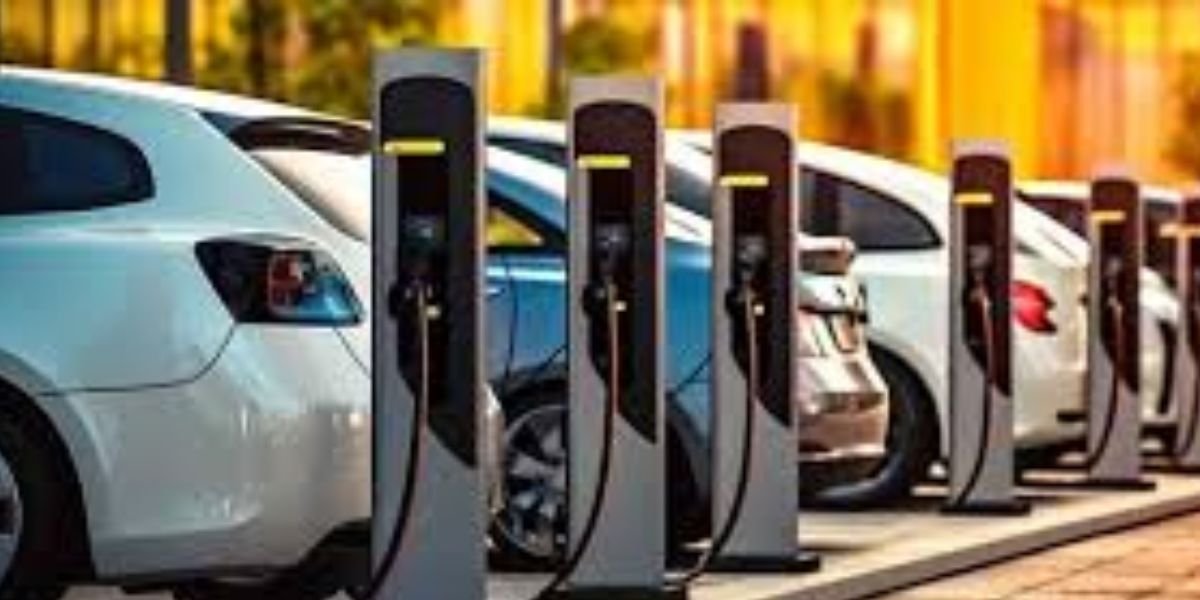
Electric vehicles (EVs) are expected to play a key role in the new policy. Proposals are under consideration to offer special incentives for the local production of electric vehicles and their components. Officials are also working on producing small electric cars priced below one million rupees.
Local production of EVs is expected to reduce fuel expenses and offer cheaper alternatives compared to conventional vehicles. Meanwhile, auto parts manufacturers highlighted imbalances in the current policy, pointing out that local industries face challenges due to limited incentives, while some assemblers rely heavily on imported parts.
The new policy is likely to prioritize small and medium-sized local manufacturers to promote genuine industrial growth. If effectively implemented, the policy could stabilize the auto sector, create jobs, and make cars more affordable for the general public. Sources indicate that the policy may be introduced from July 1, marking a major step toward public relief.
Also Read: KIA, Haval clarifies fuel requirements for its vehicles in Pakistan