


Web Desk: A proposed peace agreement between the United States and Iran promises sweeping economic, military and diplomatic changes across the Middle East, potentially reshaping regional dynamics if it survives political opposition and reaches formal implementation.
While the accord remains pending final signature, officials and public statements from both sides have revealed key elements of a framework that includes the lifting of sanctions-related restrictions, the reopening of the Strait of Hormuz, military de-escalation measures and a new round of negotiations on Iran’s nuclear program.
However, significant questions remain over enforcement, regional support and the future role of key allies, particularly Israel.
According to details emerging from the negotiations, the agreement includes roughly $300 billion in reconstruction and economic commitments from the United States and partner countries.
In addition, approximately $24 billion in previously frozen Iranian funds would be released, with a portion of the money becoming available before the next phase of negotiations begins.
Supporters of the agreement argue that the economic package could help stabilize regional markets and encourage broader diplomatic engagement after years of confrontation.
Meanwhile, the framework calls for the removal of the U.S. naval blockade and a reduction of the American military presence around Iran.
Officials involved in the discussions have indicated that the blockade could be lifted within 30 days of implementation, marking one of the most significant confidence-building measures in the agreement.
The move would restore maritime access and could ease tensions in key shipping lanes that have repeatedly become flashpoints during periods of crisis.
One of the most consequential provisions involves the Strait of Hormuz, the strategic waterway through which a significant share of global oil exports passes.
Under the proposed arrangement, commercial shipping would resume normal transit through the strait. However, Iran would retain a central role in managing operations, potentially in coordination with regional partners such as Oman.
U.S. President Donald Trump said the agreement would ensure unrestricted passage for international shipping and restore the flow of energy supplies to global markets.
“The Strait of Hormuz will be open,” Trump said in a social media post, describing the accord as a breakthrough for regional peace and energy security.
Nevertheless, questions remain over how transit fees, security charges and operational oversight would function under the final arrangement.
Notably, the agreement does not appear to impose new restrictions on Iran’s nuclear activities at this stage.
According to details of the draft framework, Iran reaffirmed its long-standing position that it does not seek to develop nuclear weapons. Beyond that commitment, the agreement reportedly does not introduce new limits on uranium enrichment, dismantlement requirements or additional inspection mechanisms.
Instead, negotiators have created a separate 60-day period for discussions aimed at addressing unresolved nuclear issues.
The approach effectively postpones one of the most contentious aspects of U.S.-Iran relations while allowing both sides to secure a broader de-escalation agreement first.
Another notable provision removes Iran’s missile capabilities and its support for regional allied groups from the scope of future negotiations.
The exclusion is viewed by Iranian officials as a major diplomatic victory because those issues have historically been central demands of U.S. and allied negotiators.
As momentum behind the agreement has grown, senior Iranian officials have portrayed the framework as a significant achievement for Tehran.
Deputy Foreign Minister Kazem Gharibabadi said Iran’s key negotiating positions had been incorporated into the final draft and described the outcome as a victory for the country.
Iranian officials also suggested that military deterrence and firm negotiating positions helped shape the final terms of the understanding.
However, the proposed accord faces immediate challenges.
Israeli Prime Minister Benjamin Netanyahu reportedly informed Washington that Israeli forces would not withdraw from Lebanon and that Israel does not consider itself bound by provisions related to the Lebanese front.
The stance casts uncertainty over one of the agreement’s central goals: securing a comprehensive halt to hostilities across multiple theaters.
Any disagreement involving Israel could complicate implementation efforts and test the durability of the broader framework before it formally takes effect.
Despite those obstacles, mediators continue to push for a formal conclusion to the process.
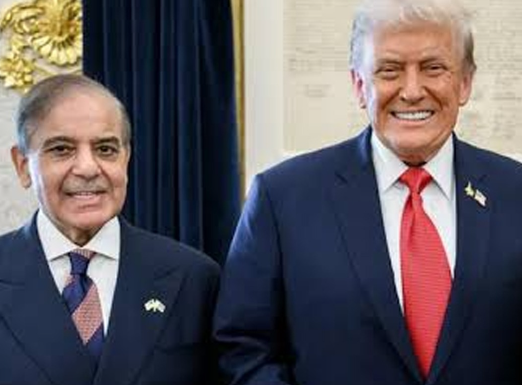
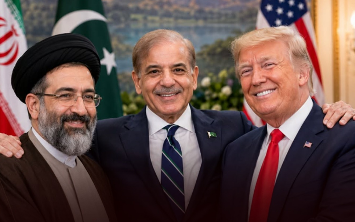
Prime Minister Shehbaz Sharif announced that the United States and Iran had agreed to an immediate and permanent cessation of military operations, including in Lebanon, and said a signing ceremony is scheduled for June 19 in Switzerland.
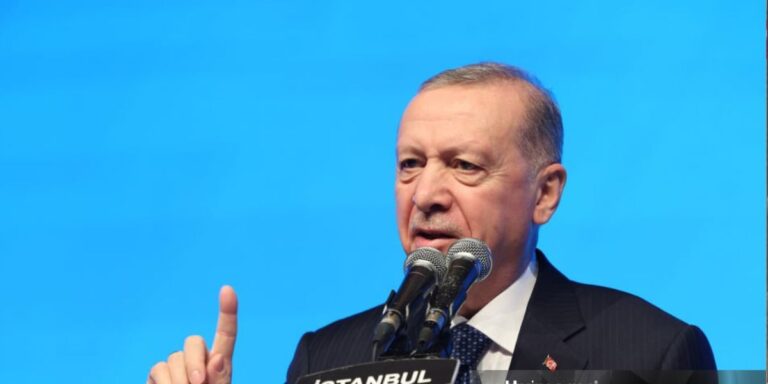
Sharif credited Qatar, Saudi Arabia and Türkiye for helping broker the breakthrough.
For now, diplomats are focused on finalizing technical arrangements and securing political backing for the accord. If implemented, the agreement could mark the most significant U.S.-Iran diplomatic breakthrough in years, while opening a new chapter in efforts to reduce conflict and restore stability across the Middle East.
Read more: PM Shehbaz announces US-Iran peace deal, signing set for June 19