


Web Desk: Pakistan’s military strongly rejected recent remarks by India’s army chief, accusing New Delhi’s leadership of promoting “provocative rhetoric” and undermining regional stability amid already strained ties between the nuclear-armed neighbors.
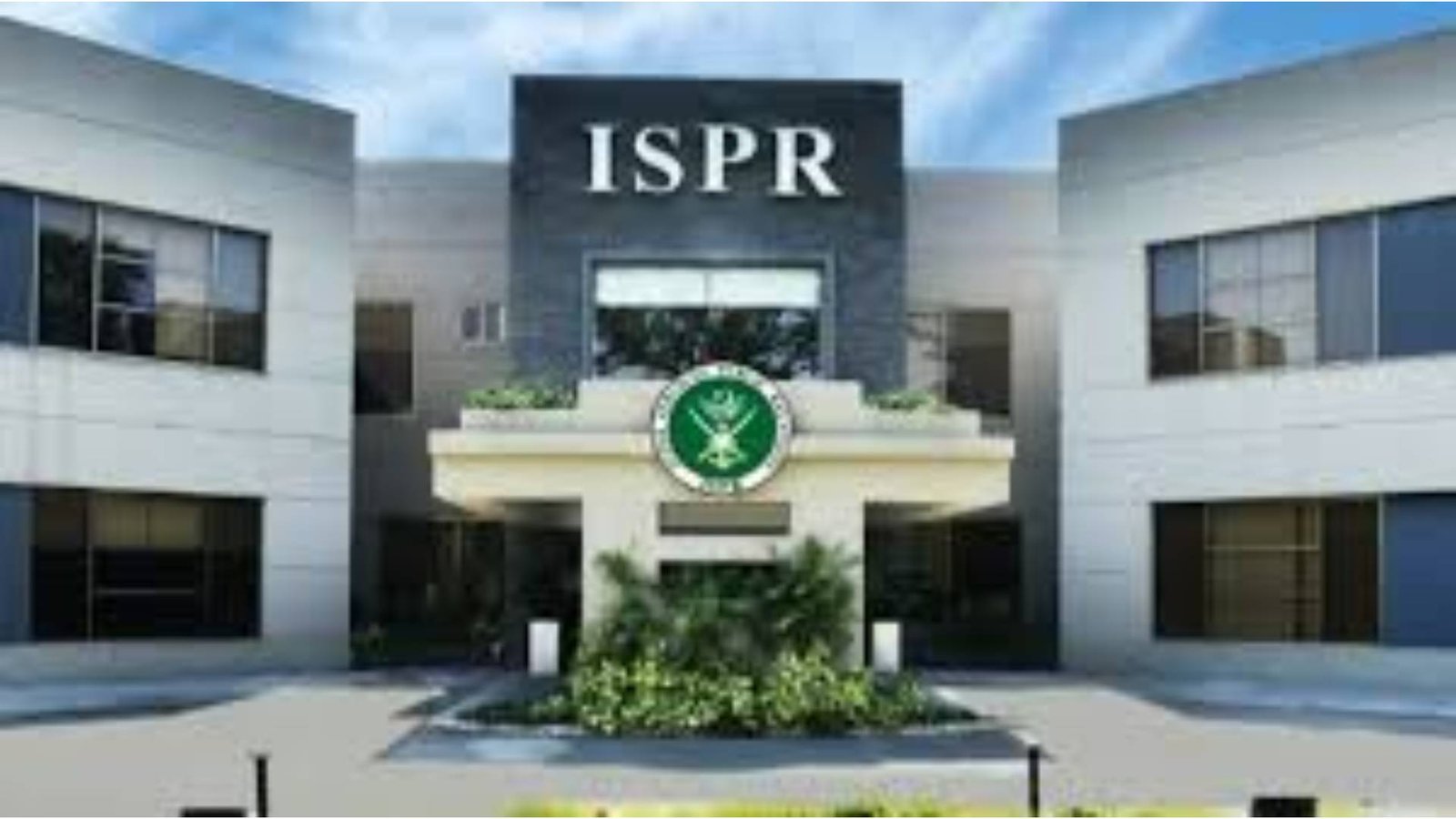
In a sharply worded statement, the military’s media wing, the Inter-Services Public Relations (ISPR), dismissed comments attributed to Indian Army Chief General Upendra Dwivedi, who reportedly questioned whether Pakistan wished to remain “part of the region’s geography and history.”
The ISPR called the remarks “irresponsible and inflammatory,” adding that such statements reflected what it described as an “extremist mindset” shaped by Hindu nationalist ideology.
The Pakistani military said the country was a recognised nuclear power with an established strategic position in South Asia, adding that any suggestion of eliminating Pakistan from the regional landscape was “detached from reality.”
“Responsible nuclear states demonstrate restraint and strategic maturity,” the ISPR said, warning that threats directed at a sovereign neighbor neither constituted diplomacy nor credible strategic signaling.
Furthermore, the military spokesperson said India’s leadership had failed to accept Pakistan’s existence despite more than seven decades since partition, arguing that “aggressive and narrow-minded policies” had repeatedly pushed South Asia toward conflict and instability.
The statement also reiterated that Pakistan sought peace in the region but would not compromise on its sovereignty or national security.
The latest exchange comes against the backdrop of longstanding tensions between the two countries, particularly over disputed Kashmir and broader regional rivalries.
Pakistani officials have frequently accused India’s ruling Bharatiya Janata Party (BJP) government of using anti-Pakistan rhetoric to divert public attention from domestic political pressures and criticism over its policies in Indian-administered Kashmir.
The ISPR statement linked the Indian army chief’s remarks to the broader ideology of Hindutva, the Hindu nationalist doctrine associated with Prime Minister Narendra Modi’s government. It argued that such rhetoric was aimed at appealing to hardline political constituencies in India.
Meanwhile, analysts say relations between Islamabad and New Delhi remain fragile despite periods of reduced cross-border violence in recent years.
Pakistan’s military also pointed to the country’s 1998 nuclear tests and its response during the 2019 aerial confrontation between the two countries as evidence of its defense capabilities.
In February 2019, Pakistan shot down an Indian fighter jet and captured an Indian pilot following cross-border airstrikes, marking one of the most serious military escalations between the rivals in decades.
The ISPR said threats against Pakistan’s existence may generate headlines in domestic Indian media but did not reflect “ground realities” in the region.
Neither the Indian government nor the Indian military immediately responded publicly to the Pakistani statement.