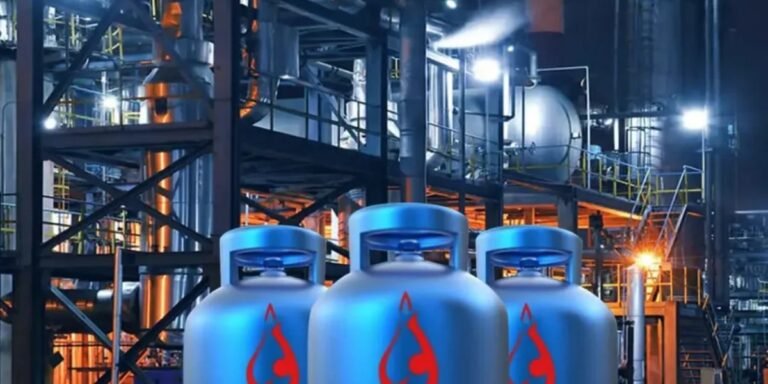



Following the inability of the Oil and Gas Regulatory Authority (OGRA) to prevent the “LPG mafia” from exploiting the public, the government has taken radical measures. To rein in this mafia and ensure the public receives LPG at affordable, government-sanctioned rates, the authority to set prices has been transferred from OGRA to a new entity—comprising state-owned companies, including Pakistan State Oil (PSO).
Consequently, LPG prices will now be determined by these companies. It is understood that the government has taken this significant, historic step to curb the arbitrary practices of the LPG mafia and halt the sale of gas in the open market at double the official rates.
Acting on the directives of Prime Minister Shehbaz Sharif, the power to set Liquefied Petroleum Gas (LPG) prices has been withdrawn from OGRA and reassigned to state-owned companies. So, who will now determine the price of LPG?
The previous, ineffective system—under which OGRA would set and issue a monthly notification for LPG prices—has been abolished. Instead, the national price for LPG across the country will now be determined by the following entities:
- Pakistan State Oil (PSO)
- Sui Southern Gas Company (SSGC / SSGPL)
- Other state-owned oil companies.
Under a new joint framework, these entities will collectively announce the base price of LPG each month, calculated based on the actual import cost. This entity will be responsible for setting the LPG price for the upcoming month. Why was this decision made?
According to government officials, this move is intended to eliminate the LPG mafia from the market. OGRA has set the official rate for LPG at approximately 294 rupees per kilogram for the month of November; however, the market is controlled by a mafia of retailers and black-market operators. Through collusion, these individuals dictate their own prices, exploiting citizens by selling LPG at exorbitant rates.
OGRA is failing to curb this severe exploitation, and neither federal nor provincial law enforcement agencies are assisting in putting an end to this lawlessness. Moving forward, how will LPG be sold?
Sales will be restricted exclusively to authorized LPG outlets and shops established in compliance with regulations, while action will be taken against those operating illegal retail points.
Consumers will be required to provide an empty cylinder to the retailer in exchange for a filled one; the sale of loose (uncontained) gas will no longer be permitted.
Furthermore, the government—in collaboration with LPG marketing companies—will introduce affordable, high-quality cylinders into the market. These measures are intended to liberate the public from the grip of the LPG mafia. According to the Ministry of Petroleum, all distributors and retailers must adhere to the government-mandated price; arbitrary pricing will not be tolerated.
Any retailer or distributor found charging prices at their own discretion will face immediate action. Additionally, to protect the public from the risks of cylinder explosions, LPG will be supplied in standardized, OGRA-approved cylinders—available in capacities ranging from 2–3 kg up to 5 kg.
Consumers will now be required to bring an empty gas cylinder in exchange for a filled LPG cylinder; LPG will not be provided in substandard or defective cylinders.
Furthermore, LPG will no longer be supplied to citizens who purchase it in small quantities—such as one, two, or three kilograms—to meet their daily needs. If any shopkeeper is caught filling a substandard cylinder, their shop will be shut down, and they will face heavy fines.
Also Read: OGRA Determines RLNG Prices for October