



Web Desk: The Government of Pakistan has unveiled a Rs38 billion Ramazan Relief Package for 2026, aiming to provide timely financial support to more than 12 million families across the country during the holy month.
The relief package targets 12.1 million families. Families not receiving the Kafalat stipend will receive Rs13,000 each, covering approximately 2.1 million households. Additionally, Rs10 billion has been allocated for extra support to 10 million families registered under the federal Kafal program.
Eligibility Criteria
According to government guidelines, applicants must:
- Be a valid CNIC holder
- Belong to a low-income or deserving household
- Not be an active taxpayer
- Not be a government employee
- Have data that matches official welfare records
Households already registered in social protection databases may find the process smoother, but final approval depends on official verification.
Historically, Ramazan relief relied on the Utility Stores Corporation to distribute subsidised flour, sugar, ghee and pulses. However, inefficiencies, inconsistent stock, long queues, and logistical challenges limited its effectiveness.
Since 2025, the government has shifted to digital cash transfers, bypassing utility stores entirely. Last year, nearly two million families received Rs5,000 each via platforms like JazzCash and EasyPaisa. The first-year implementation achieved over 95 percent disbursement success within ten days of Ramazan, with minimal duplication and lower administrative costs.
Building on last year’s success, the 2026 allocation nearly doubles to Rs38 billion, extending coverage to over 12 million families and increasing per-family support to Rs13,000. Early projections indicate that more than 60 percent of beneficiaries live outside major urban centers, making it one of the largest rural-targeted cash disbursement programs in Pakistan’s history.
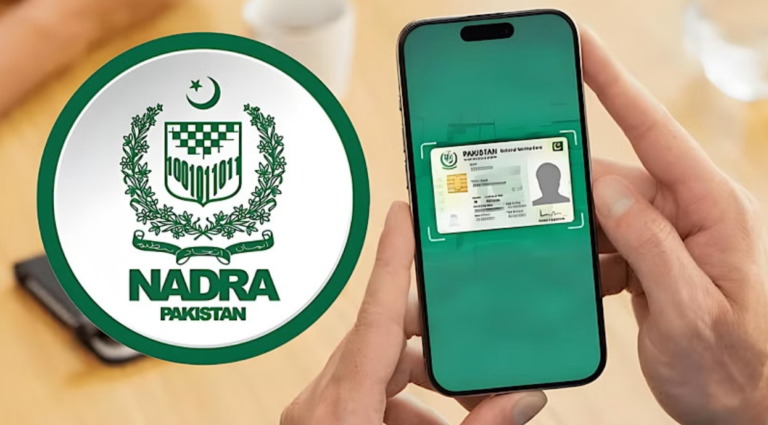
Eligibility and verification are conducted through the National Socio-Economic Registry, NADRA’s CNIC database, and cross-checks with government employment and tax records. Financial institutions process payments while the SBP ensures liquidity and compliance with anti-money laundering regulations.
The National Information Technology Board developed the official portal, allowing beneficiaries to check eligibility. Millions of SMS alerts and automated calls were sent to inform recipients. Real-time monitoring, a 24-hour control room, and a dedicated call center handling over 200,000 queries in early Ramazan ensure effective program management.
Digital literacy gaps, smartphone access disparities and connectivity issues in remote areas remain challenges. Women, particularly in rural districts, face lower access to devices and registered SIM cards. Addressing these gaps is crucial for equitable distribution and long-term adoption of digital social protection.
Nevertheless, the PMRRP-2026 represents a structural shift in welfare delivery, treating households as empowered decision-makers and minimizing leakages. If the program’s momentum continues and inclusion gaps are addressed, Pakistan’s digital cash transfer model could evolve into a year-round social safety net, extending beyond Ramazan and modernizing the architecture of welfare in the country.
Read more: PM pays tribute to late hero Lt. Col Shahzada Gul Faraz, announces school in his name