
Web Desk: Pakistan’s National Institute of Health (NIH) has issued a nationwide advisory urging authorities to strengthen surveillance and preparedness measures ahead of the monsoon season, warning that heavy rains and flooding could trigger outbreaks of several infectious diseases.
The advisory highlights an increased risk of communicable and vector-borne diseases during the monsoon months.
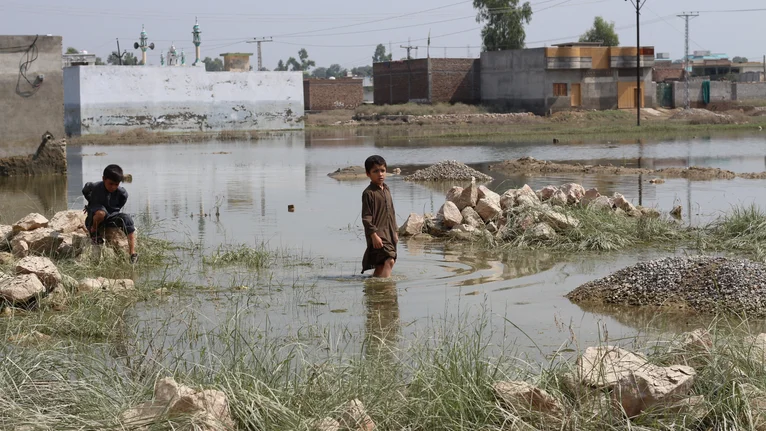
Health officials said heavy rainfall, waterlogging, damaged sanitation infrastructure and contaminated drinking water create favorable conditions for disease transmission.
The NIH warned that these conditions could lead to outbreaks of acute watery diarrhea, cholera, typhoid fever, malaria, dengue fever, chikungunya, leptospirosis and viral hepatitis A and E.
Furthermore, the agency said flooding and extreme weather can force communities to relocate, increasing overcrowding in temporary shelters and placing additional pressure on healthcare services.
According to the advisory, limited access to clean water, disruptions to routine public health programs and reduced healthcare availability can further accelerate the spread of infectious diseases.
“Timely preparedness, enhanced surveillance, early detection and prompt response measures are essential to minimize the public health impact of monsoon-related disease outbreaks,” the NIH said.
The advisory aims to guide federal and provincial health departments, district administrations, hospitals and other stakeholders in strengthening prevention and response efforts during the rainy season.
Meanwhile, health authorities have urged local governments to improve disease monitoring systems, ensure the availability of medical supplies and promote public awareness campaigns focused on hygiene, safe drinking water and mosquito control.
Pakistan frequently experiences seasonal outbreaks of waterborne and mosquito-borne diseases during the monsoon period.
Health experts say early intervention and coordinated action remain critical to reducing illness and preventing avoidable deaths.
The NIH said proactive measures could help protect vulnerable communities and lessen the health burden associated with monsoon-related emergencies across the country.
Read more: Weather Update: New rain spell brings relief across Punjab and KP