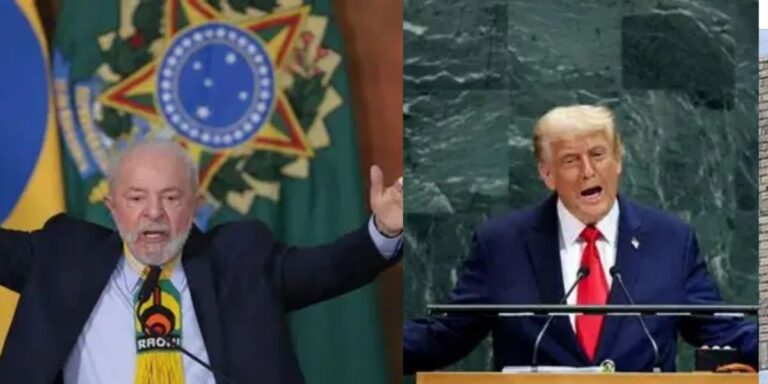



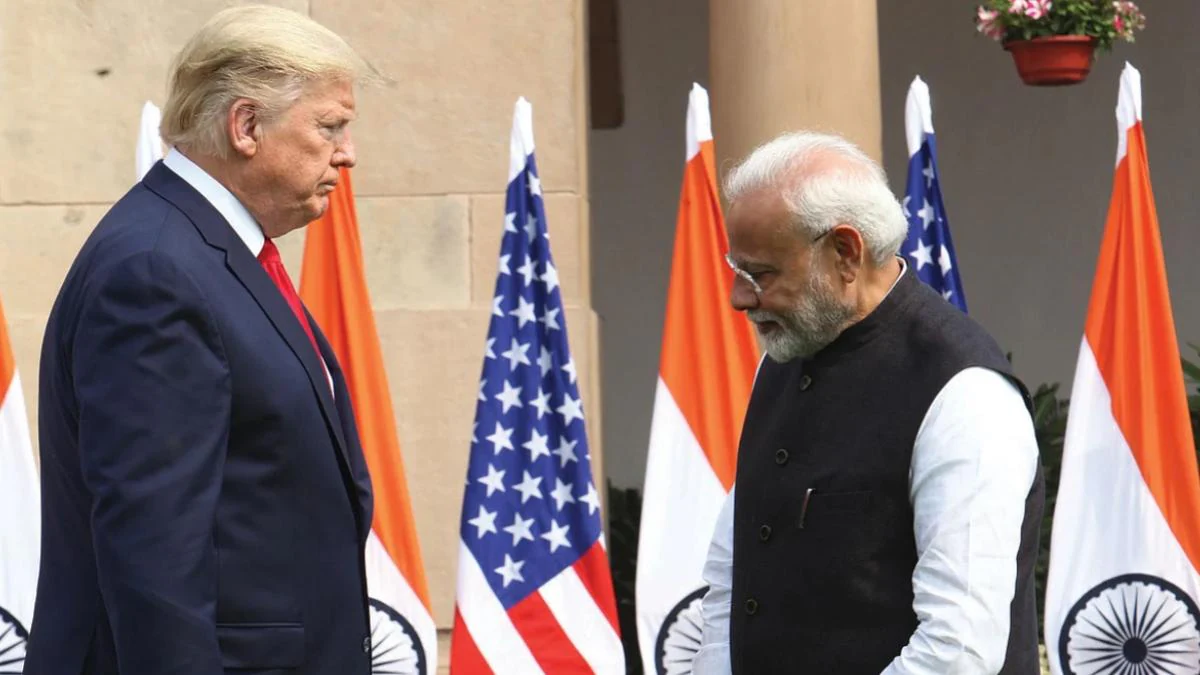
Web Desk: During a recent address focused on immigration policies, Trump used stark language to describe countries from which migrants originate. He said that children born in the United States to foreign parents automatically gain citizenship and later bring extended family members from countries such as India or China, which he described in derogatory terms.
He also claimed that the growing immigrant population has weakened the use of English and reduced loyalty to the United States, arguing that this marked a departure from earlier waves of immigration.
The comments quickly circulated online and triggered backlash, particularly in India, where political leaders and commentators condemned the tone and substance of the remarks.
In response, the Indian National Congress issued a strong rebuke, calling the statement offensive and hurtful to Indians. The party said the remarks insulted the nation and demanded that the government formally raise the issue with Washington.
At the same time, the party criticised Modi’s past handling of remarks by Trump, alleging that previous comments targeting India had not been adequately challenged. It argued that continued silence could embolden further such statements.
The episode highlights the delicate balance in U.S.-India relations, where strategic cooperation often coexists with political friction. While the two countries have strengthened ties in areas such as defense and trade, rhetoric around immigration and national identity remains a flashpoint.
Neither the White House nor Indian government officials immediately issued detailed responses following the latest controversy. However, analysts say public statements of this nature risk inflaming public opinion and complicating diplomatic engagement.
As reactions continue to unfold, the incident underscores how political messaging in one country can resonate far beyond its borders, particularly when it touches on national identity and international perception.
Read more: Mass disenfranchisement as nine million voters removed in West Bengal