


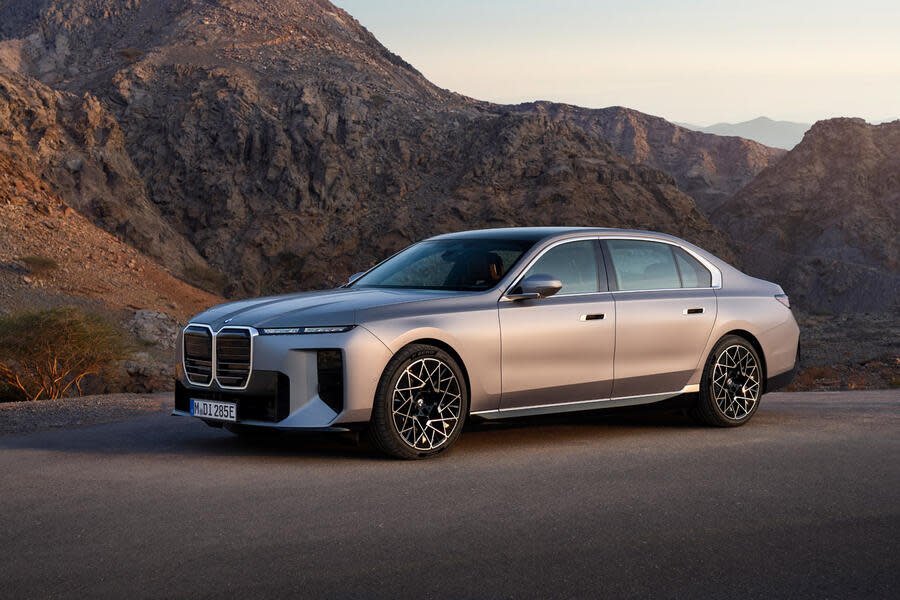
Web Desk: BMW Group has introduced the most extensive update in the history of its BMW 7 Series sedan, aiming to strengthen its position in the global luxury car segment amid intensifying competition from Mercedes-Benz and other rivals.
The German automaker said the refreshed flagship sedan adopts design and technology elements from its Neue Klasse platform, marking a significant evolution of the four-year-old seventh-generation model.
Moreover, BMW said the updated 7 Series sets a “new benchmark” for luxury vehicles as it enters a market increasingly shaped by electrification and advanced digital systems.
The model will continue to be offered in both fully electric and plug-in hybrid variants, with the electric version scheduled to arrive first in September, followed shortly by hybrid models. Prices are expected to rise above the current entry level of about 105,000 pounds.
In addition, the biggest technical upgrades focus on the all-electric i7 variant. BMW has equipped the model with a larger 112.5kWh battery using its latest generation cylindrical cell technology, also featured in newer electric models from the company.

As a result, driving range increases significantly to up to 452 miles from 387 miles previously, depending on specification. Charging performance also improves, with peak capacity rising to 250kW.
The electric lineup now uses more efficient dual motors derived from BMW’s latest drivetrain technology, delivering power outputs ranging from 449 horsepower to 671 horsepower in the performance-focused version. Consequently, the top model accelerates from 0 to 62 mph in 3.8 seconds.
Meanwhile, plug-in hybrid variants benefit from an updated straight-six petrol engine paired with an electric motor. BMW said the revisions improve efficiency and performance across both versions.
The entry-level hybrid produces 482 horsepower, while the higher-performance model delivers up to 604 horsepower. Consequently, acceleration improves to 4.2 seconds from 0 to 62 mph.
However, electric-only range for hybrid versions remains unchanged at about 50 miles, supported by the same battery capacity as the previous generation.
On the exterior, BMW has introduced subtle but notable styling changes aligned with its Neue Klasse design language. The front end features slimmer headlights with crystal detailing, revised air intakes and a reworked grille with horizontal elements.
At the rear, the sedan adopts a wider light signature similar to newer BMW electric models. Additionally, 22-inch alloy wheels now come as standard.
“We are combining Neue Klasse with luxury. This car is about presence,” said Max Missoni, BMW’s head of luxury design. He added that the updated grille and lighting design aim to enhance the vehicle’s visual identity.
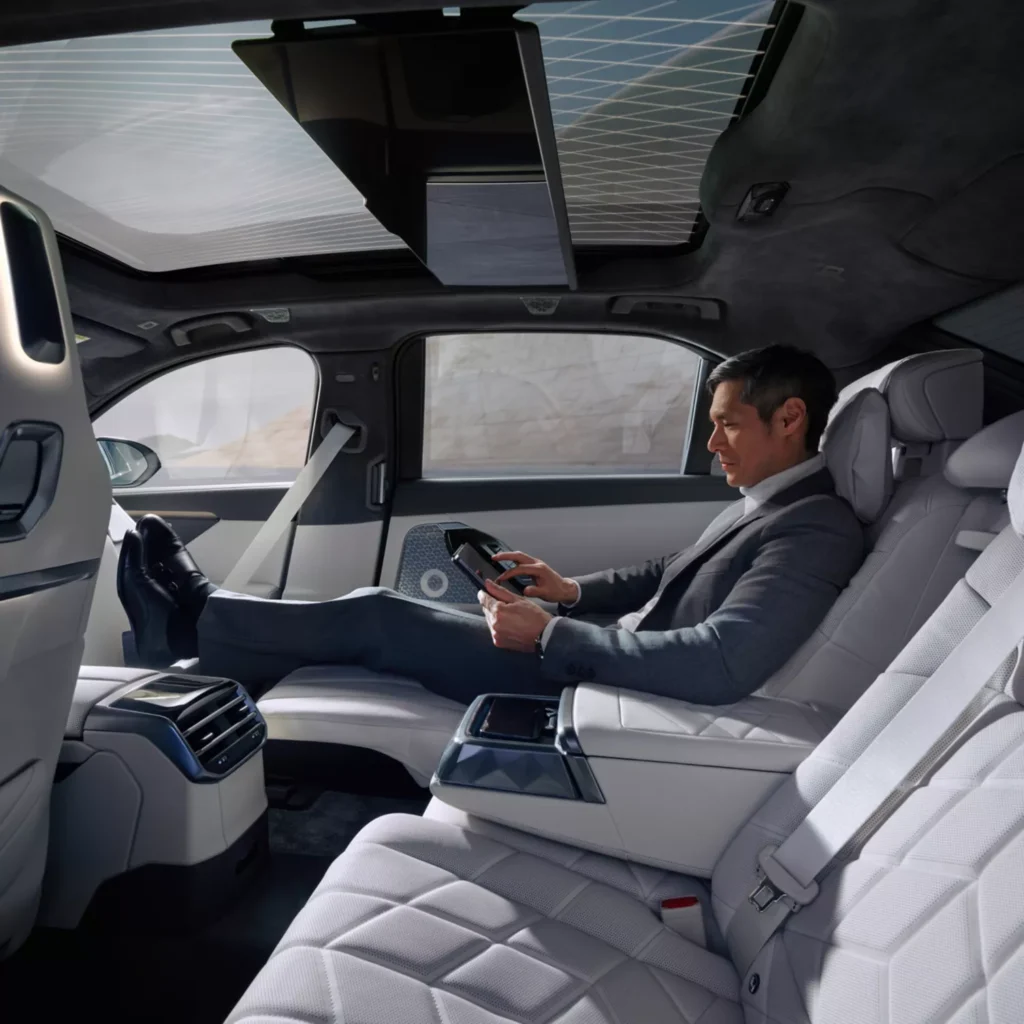
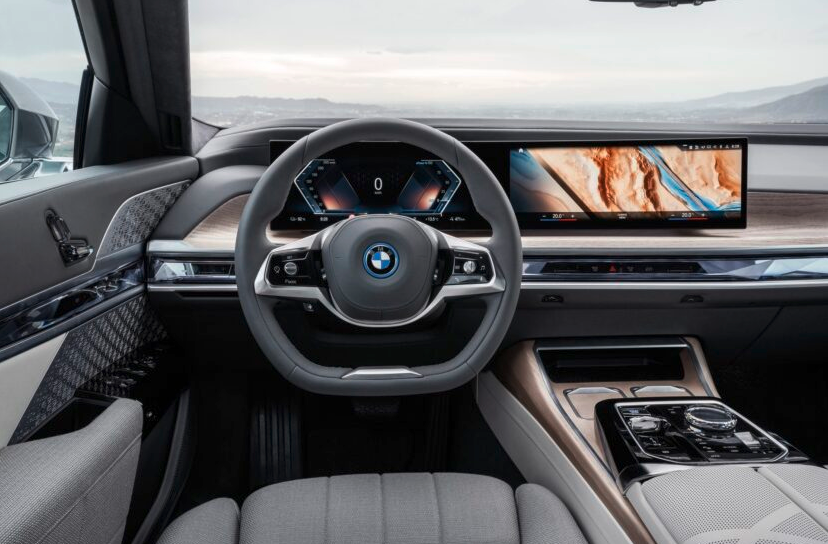
Inside, BMW has significantly upgraded the cabin with a stronger focus on digital interfaces. For the first time, the 7 Series includes a dedicated front passenger touchscreen, a feature long offered by some competitors.
Furthermore, the vehicle introduces BMW’s latest curved infotainment system and a panoramic display that stretches across the dashboard, replacing the traditional instrument cluster.
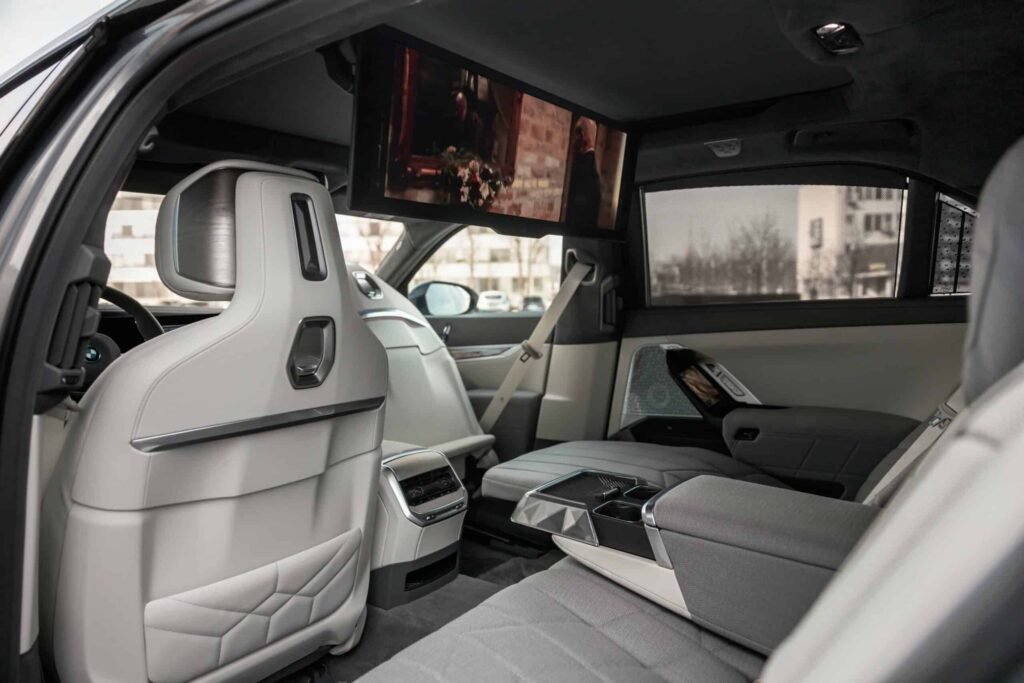
Passengers in the rear benefit from a 31.3-inch cinema-style screen paired with a premium 35-speaker audio system. Optional reclining executive seating further reinforces the model’s focus on comfort and privacy.
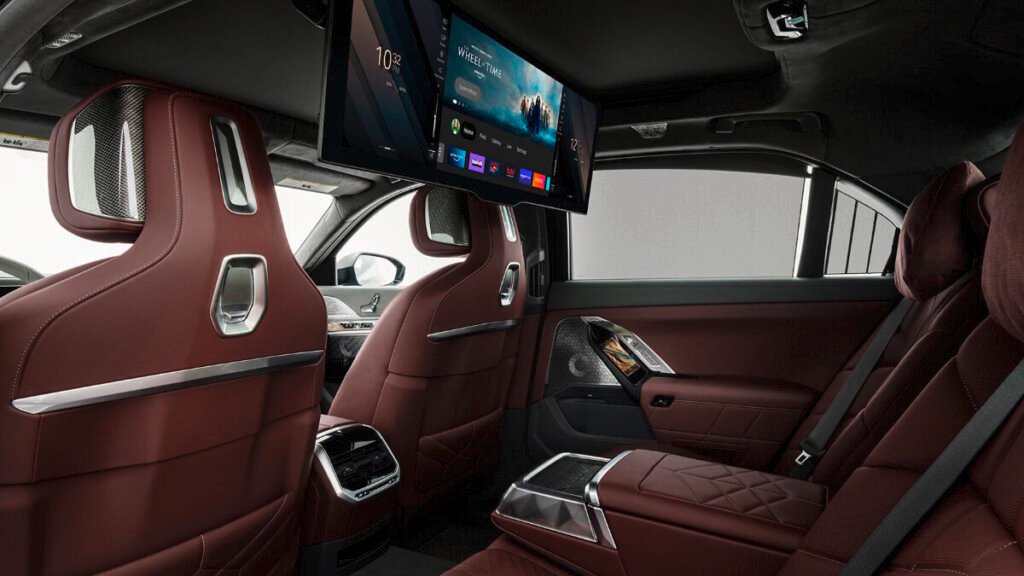
Missoni said the redesigned interior prioritises simplicity, noting that distractions have been reduced to create a more refined environment. “This is a mobile private space designed for relaxation,” he said.
In addition, BMW has expanded personalisation options significantly, offering hundreds of exterior colours and interior combinations. For the first time, buyers can also select a two-tone paint finish.
All variants include advanced features such as adaptive suspension, rear-wheel steering and automatically opening doors, reinforcing the model’s positioning in the ultra-luxury segment.
The update comes as BMW continues to compete with luxury offerings from Mercedes-Benz and other global automakers, many of which have recently refreshed their flagship models or expanded electric lineups.
As demand for high-end electric sedans grows, manufacturers are increasingly focusing on range, digital integration and performance to attract premium buyers.
With its latest overhaul, BMW is betting that a combination of extended electric capability and enhanced in-car technology will help the 7 Series maintain its position in a rapidly evolving market.
Read more: What new colors will iPhone 18 come in?