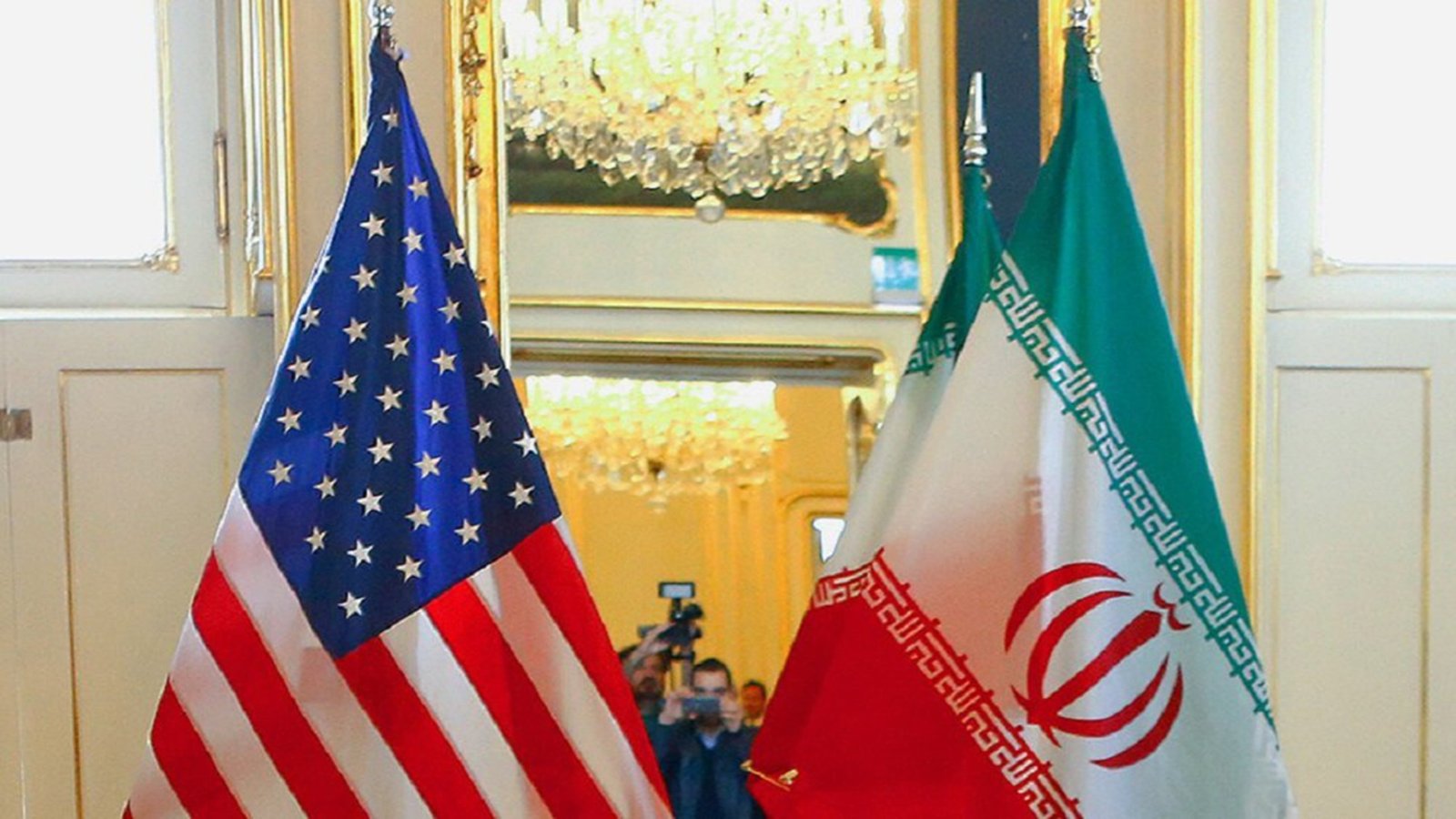
Web Desk: The United States and Iran are weighing indirect diplomatic engagement through regional intermediaries as fighting intensifies, while Pakistan has emerged as a key facilitator in efforts to open communication channels, according to officials and media reports.
According to The Atlantic, citing three people familiar with the matter, White House Special Envoy Steve Witkoff communicated with Iranian decision-makers through Pakistani intermediaries in recent days. Through those channels, a 15-point US framework was delivered to Tehran, based on a prior proposal presented last year, and framed as a set of conditions Iran would need to accept to halt further strikes.
Separately, a Pakistani official said multiple proposals were under discussion regarding next steps in potential talks, and that an in-person meeting in Islamabad remained under consideration. The official added that Turkey and Egypt were also helping facilitate diplomatic outreach between Washington and Tehran.
However, no final agreement on timing or venue has been confirmed, and White House officials cautioned that discussions remain fluid.
The Trump administration declined to confirm whether direct meetings between US and Iranian officials would take place in the coming days. White House press secretary Karoline Leavitt said the administration would not negotiate through the media and warned that speculation should not be treated as confirmed until formally announced.
“These are sensitive diplomatic discussions, and the United States will not negotiate through the press,” Leavitt said in a statement to ABC News, adding that any reported meetings should be considered unconfirmed until official notification.
Asked about potential travel plans involving US envoys and senior officials to Islamabad, the State Department referred inquiries to the White House. Vice President JD Vance’s office did not respond to requests for comment.
Meanwhile, President Donald Trump said in a social media post that strikes on Iranian energy infrastructure had been “paused” for five days as diplomatic efforts continue, though officials did not provide operational details.
The reported US proposal delivered through intermediaries outlines a wide-ranging set of political, military and security conditions aimed at de-escalation, according to accounts cited in media reports.
It calls on Iran to abandon any pathway toward developing nuclear weapons and accept strict limits on uranium enrichment under expanded international verification. It also includes restrictions on Iran’s ballistic missile programme, particularly long-range systems, alongside broader efforts to reduce regional military activity across the Middle East.
In addition, the framework proposes stabilising key maritime routes, including the Strait of Hormuz, through cooperative security arrangements. It also envisions steps toward a non-aggression understanding between Washington and Tehran, potentially involving regional partners, with phased sanctions relief tied to verified compliance.
Iranian officials have outlined their own set of demands in response to ongoing contacts, according to a regional official familiar with the discussions.
Tehran’s conditions include guarantees that hostilities will not resume, along with demands for the closure of US military bases in the region. Iran has also called for accountability measures against what it describes as the initiating party of the conflict, including reparations for war damage.
Additional Iranian conditions reportedly include a full cessation of regional fighting, a new legal framework governing the Strait of Hormuz, and legal action against anti-Iran media operatives, including their expulsion.
Despite diplomatic signals, military operations continue across multiple fronts.
Israeli authorities reported damage in the Tel Aviv region following an Iranian missile barrage on Tuesday. Police said officers were responding to impacts and confirmed structural damage at multiple sites, while the Israel Defense Forces reported strikes in central Israel.
In response, Israel and the United States have continued operations against Iranian targets. The US military said it struck a turbine engine facility in Qom province used for drone and aircraft component production linked to Iran’s Islamic Revolutionary Guard Corps.
Iranian media reported civilian casualties from strikes in several cities, including Khorramabad and Tabriz, while explosions were also reported in Isfahan, Karaj and Ahvaz. Local authorities said a radio station in Bandar Abbas was hit, and a hospital in Ahvaz was reportedly affected.
The Iranian Red Crescent Society said more than 80,000 civilian building units had been impacted since the escalation began, including residential structures and public infrastructure.
As fighting and diplomacy continue in parallel, officials on all sides have signalled that the next phase of engagement remains uncertain, with no clear timeline for a breakthrough or further escalation.