


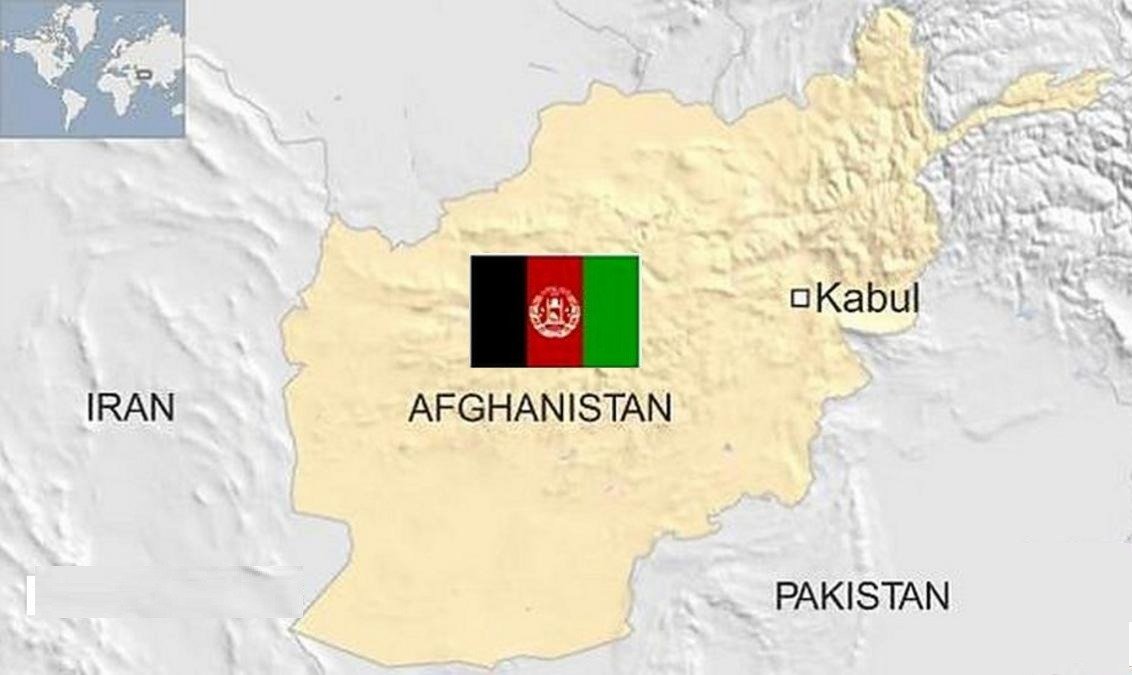
Web Desk: Five years after the Taliban returned to power, Afghanistan remains under firm territorial control but faces deep economic hardship, institutional fragility and mounting humanitarian pressures, according to assessments by analysts and international agencies.
While the authorities have consolidated security across much of the country since 2021, critics say governance structures have failed to keep pace, leaving millions struggling with poverty, limited services and restricted freedoms.
Afghanistan’s economy has yet to rebound from the sharp contraction that followed the 2021 transition. Output declined significantly in the immediate years after the takeover and has since shown only marginal growth, keeping overall economic activity well below pre-2021 levels.
Per capita income has dropped steeply over the past five years, and projections indicate further declines. The situation has been compounded by the return of millions of Afghans from neighboring countries, placing additional strain on already limited resources.
Moreover, reduced international funding has sharply curtailed public spending, weakening the state’s ability to deliver services and sustain economic activity.
The banking and financial sector continues to operate under tight restrictions. Although the national currency has shown relative stability, economists say this reflects limited demand and controlled imports rather than genuine economic strength.
Access to foreign reserves remains restricted, while sanctions and reduced external engagement have constrained liquidity. As a result, lending activity has stagnated and many businesses have either scaled back operations or shut down entirely.
At the same time, the informal economy has expanded, filling gaps left by the shrinking formal sector.
Living conditions have deteriorated sharply across the country. A large majority of the population now faces poverty or economic vulnerability, with tens of millions requiring humanitarian assistance.
Job losses following the 2021 transition have not been fully reversed, and income levels for many households remain significantly below previous levels. Meanwhile, unemployment continues to pose a major challenge, particularly as new entrants join the labor force each year.
The influx of returning migrants has further increased pressure on employment, housing and public services.
Restrictions on women’s participation in public life have significantly reduced workforce inclusion. Female employment remains minimal compared to men, limiting household incomes and broader economic potential.
Education access has also been severely affected. Afghanistan is currently the only country where girls are widely barred from secondary and higher education, leaving more than a million students without access to schooling.
These policies could have long-term economic consequences by weakening human capital development.
Food shortages remain widespread, with millions facing acute hunger. Aid organizations have struggled to meet demand, leaving significant gaps in assistance.
At the same time, prices for essential goods, including food and fuel, have risen sharply due to supply disruptions and economic constraints. Many households have resorted to coping measures such as reducing meals, selling assets or sending children to work.
Access to healthcare remains limited for a large portion of the population. The sector relies heavily on international funding, which has faced persistent shortfalls.
Medical facilities are under strain, particularly in rural areas, where shortages of equipment, medicines and trained personnel are common. Border restrictions have also complicated access to treatment abroad for some patients.
Afghanistan’s governing framework remains highly centralized, with limited political inclusion and no formal constitutional structure. Decision-making authority is concentrated within a small leadership group, while administrative capacity has been weakened by the departure of skilled professionals.
The country also remains without formal international recognition, restricting access to global financial systems and investment.
Meanwhile, security risks continue despite overall territorial control. Groups such as Islamic State Khorasan Province have carried out attacks, raising concerns about long-term stability. Regional and global powers, including China, Russia and the United States, have expressed caution over the evolving situation.
Although the current authorities maintain control over most of the country, analysts say lasting stability will depend on economic recovery, inclusive governance and broader international engagement.
Without these elements, they warn, Afghanistan risks facing a prolonged crisis with far-reaching humanitarian and security implications.
Read more: Taliban cross-border attacks leave 52 civilians martyred, 84 wounded since Eid, MOFA