


Islamabad: Pakistan has extended the closure of its airspace to Indian aircraft until December 23, 2025, the Pakistan Airport Authority announced on Tuesday. The measure, originally imposed on April 23, 2025, will continue to affect both commercial and military flights.
Closure impacts Indian airlines financially
Officials said the ongoing restriction has already caused losses worth billions of rupees to Indian airlines. The airspace remains closed over all Pakistani territory for flights originating from or destined for India, affecting both civilian and military aviation.
Extension follows earlier suspension
The Pakistan Airport Authority issued an updated notification formalizing the extension, emphasizing that the closure is a precautionary measure tied to national security considerations. Authorities have not indicated any immediate plans to reopen the airspace before the new deadline.
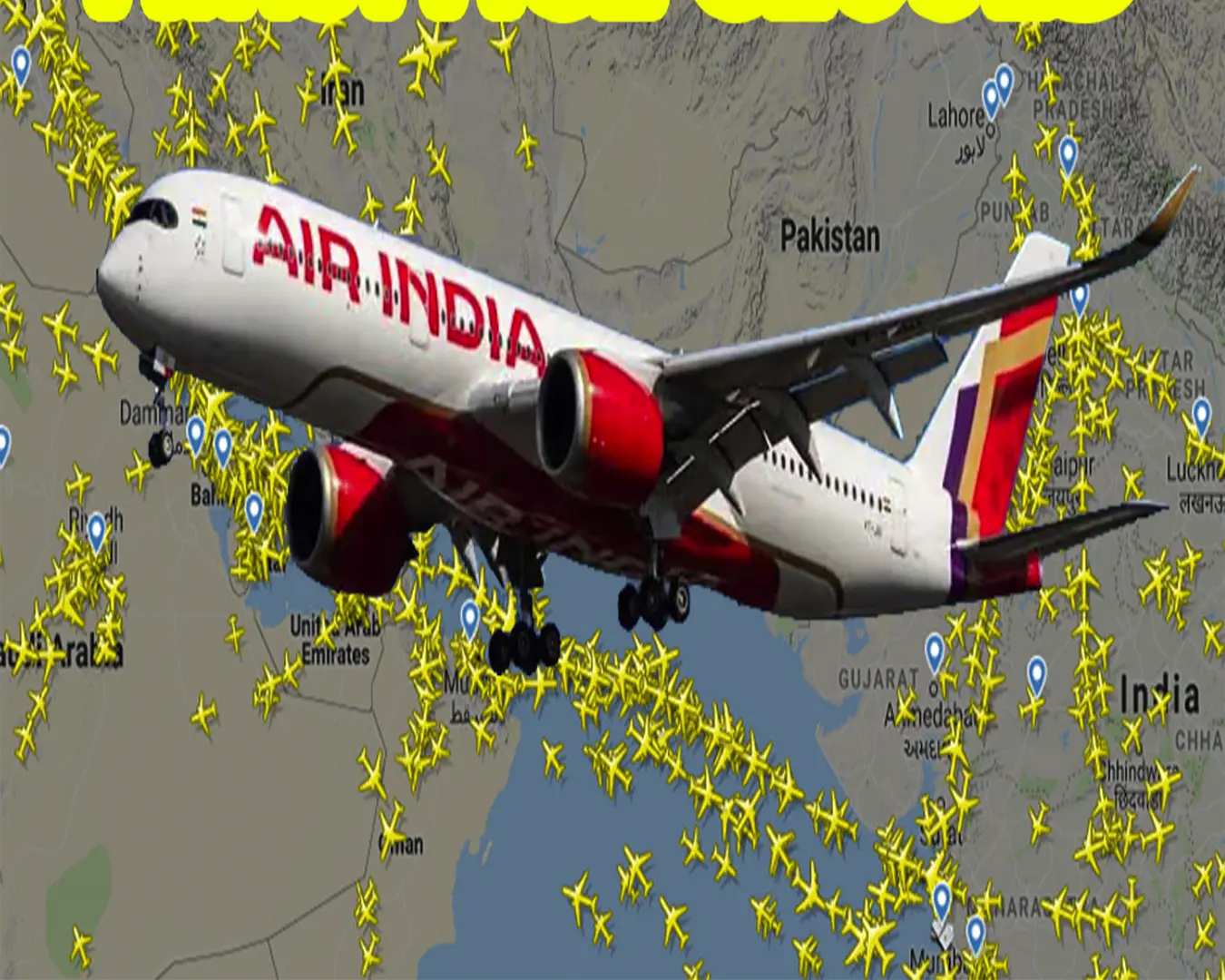
Airspace closure costs Air India $4 billion
Air India has reportedly suffered losses of approximately 4 trillion Pakistani rupees due to Pakistan’s ongoing airspace closure, according to Indian media reports. Consequently, the airline has requested a subsidy from the Indian government to offset the financial impact.
Moreover, Air India has applied for permission to use Chinese airspace, as the closure forces its flights to adopt longer routes, increasing fuel costs and travel time. Industry analysts said the disruption highlights the broader economic consequences of regional airspace restrictions, affecting both airlines and passengers.
Regional tensions continue to affect aviation
The extended closure underscores continued tensions between Pakistan and India, directly impacting airline operations, passenger travel, and cargo movement. Industry analysts said prolonged airspace restrictions could have wider implications for regional aviation revenue and connectivity.
Authorities monitor situation
Pakistani officials stated they will continue to monitor the situation closely and will adjust the closure timeline if circumstances change, while urging travelers and airlines to plan accordingly.