


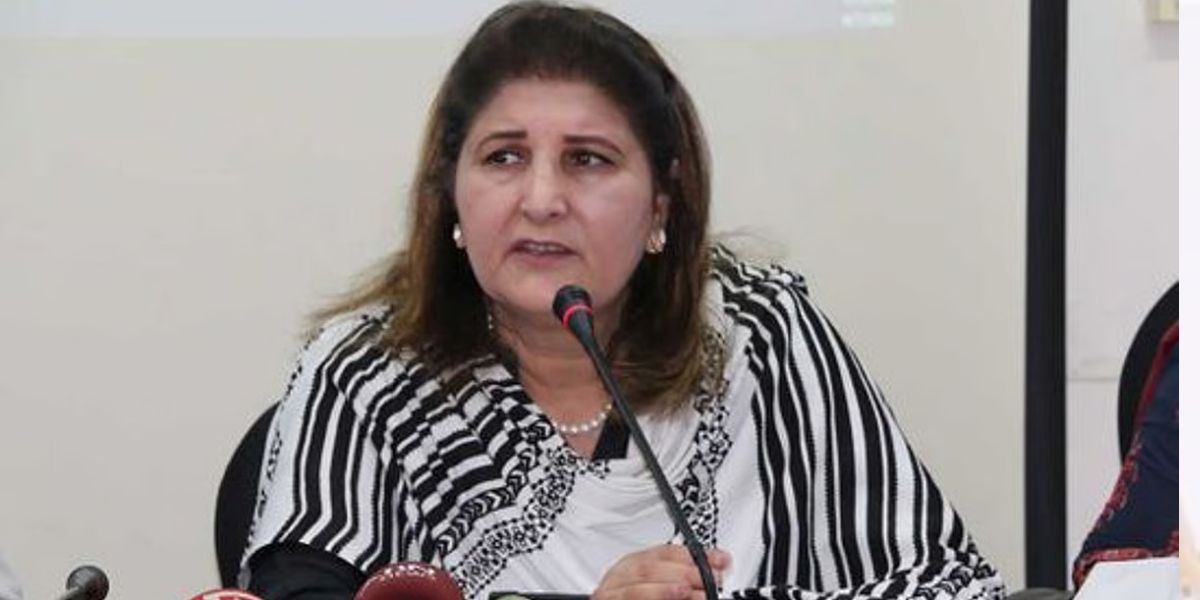
PESHAWAR: More than 200 hospitals of various categories have remained closed for years across Khyber Pakhtunkhwa, the provincial health adviser has revealed, highlighting serious challenges in healthcare delivery, including shortages of hospital beds, medical personnel and essential equipment.
The adviser said the province has just 30,697 healthcare personnel serving a population of approximately 40 million, underscoring the pressure on public healthcare facilities.
KP Needs 64,000 Hospital Beds Against Existing 18,000
Highlighting the shortage of healthcare infrastructure, the adviser said Khyber Pakhtunkhwa currently has approximately 18,000 hospital beds, while its population requires around 64,000.
The figures indicate a shortfall of approximately 46,000 beds, raising concerns about the capacity of existing hospitals to accommodate patients and meet growing healthcare demands.
Meanwhile, the disclosure that more than 200 hospitals have remained non-operational for years has raised questions about the utilisation of existing healthcare infrastructure.
Government Announces Solarisation of 124 Hospitals
As part of efforts to improve healthcare infrastructure, the provincial government plans to solarise 124 hospitals across Khyber Pakhtunkhwa.
The initiative is intended to improve electricity availability at healthcare facilities and reduce their dependence on conventional power supplies.
However, the adviser did not provide a timeline for completing the solarisation programme.
Billions Allocated for Medical Equipment
The health adviser also announced major spending plans to improve medical facilities across the province.
According to the adviser, Rs 1.65 billion will be spent on purchasing medical equipment for hospitals in 12 districts.
Additionally, Rs 2 billion will be allocated for procuring medical equipment for hospitals across another 25 districts.
The combined announced expenditure amounts to Rs 3.65 billion, reflecting plans to upgrade medical services and strengthen hospital infrastructure.
Sehat Card Programme to Continue, Government Plans Reforms
Addressing concerns about the future of the Sehat Card programme, the health adviser clarified that the provincial government has no intention of discontinuing the health insurance initiative.
Instead, the government plans to address shortcomings in the programme and improve its implementation.
“We will not end the Sehat Card programme; rather, we will address its shortcomings,” the adviser said.
The statement comes amid public concerns about access to healthcare services under the programme.
PM Pledges Rs 1.462 Billion for Children’s Hospital in Hayatabad
The adviser further disclosed that Prime Minister Shehbaz Sharif has promised Rs 1.462 billion for a children’s hospital in Hayatabad, Peshawar.
The proposed financial support is expected to contribute to the development of specialised paediatric healthcare infrastructure.
However, details regarding the release of funds and the project’s completion schedule were not provided.
Federal Government to Provide Rs 850 Million for Breast Cancer Centres
In another healthcare development, the adviser announced that the federal government would provide Rs 850 million for establishing breast cancer centres in five divisions of Khyber Pakhtunkhwa.
The proposed centres are intended to expand access to specialised cancer-related healthcare services.
The adviser did not specify the five divisions or provide a timeline for the centres’ establishment.
Healthcare Challenges Remain Despite New Initiatives
The announcements highlight the scale of Khyber Pakhtunkhwa’s healthcare challenges, particularly the large number of non-operational hospitals, shortages of medical personnel and the substantial gap between existing and required hospital beds.
Although the government has outlined plans for medical equipment procurement, hospital solarisation and specialised healthcare facilities, questions remain about implementation timelines and the reopening of hospitals that have remained closed for years.
The health adviser’s disclosures also underscore the importance of improving existing healthcare infrastructure alongside investing in new facilities.
Also Read: NAB steps up anti corruption probe in KP, issues notices to PTI leadership