


Web Desk: Pakistan has introduced a QR code-based registration mechanism to improve oversight of electricity subsidies and ensure that government assistance reaches only qualified consumers, Power Minister Sardar Awais Leghari said on Sunday.
The initiative forms part of broader efforts to strengthen transparency in the power sector and curb the misuse of state-funded support programs.
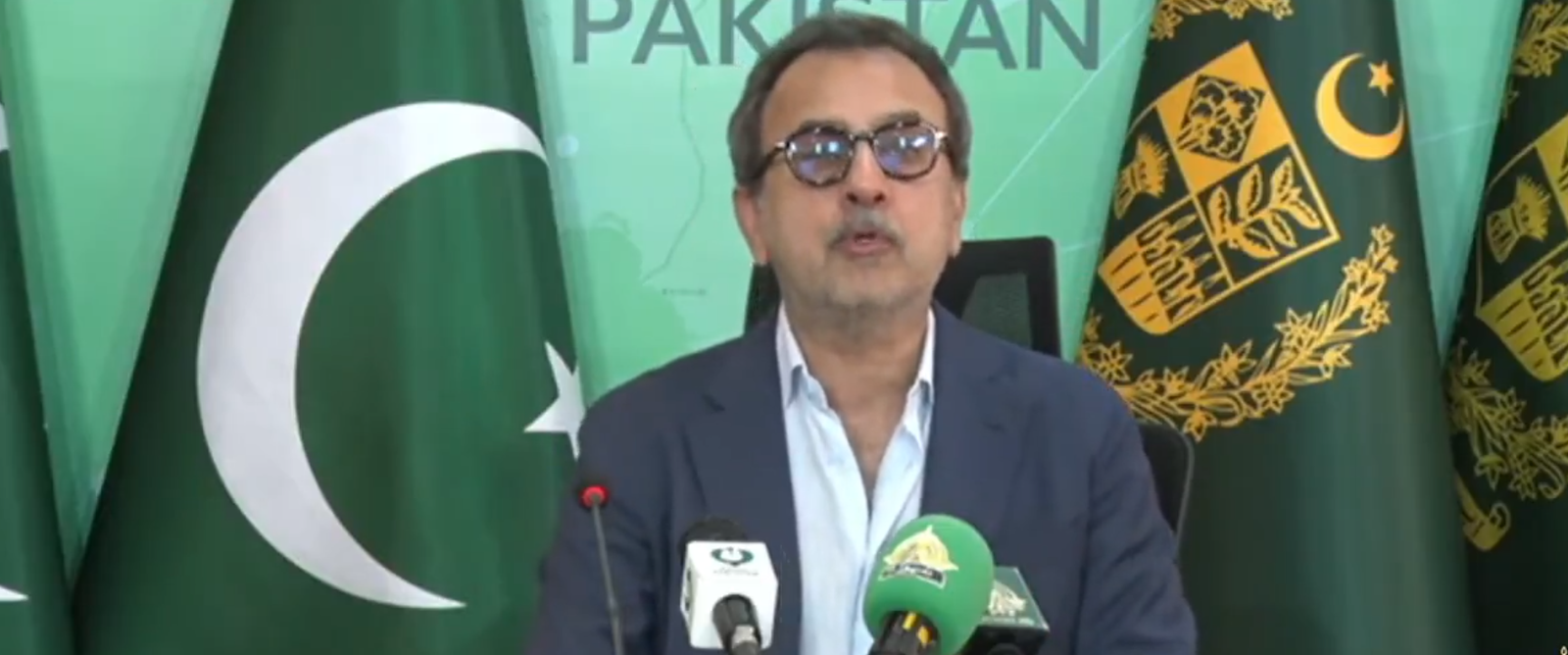
Speaking at a news conference in Islamabad, Leghari rejected allegations that the government was withdrawing benefits from protected electricity users. Instead, he said authorities were introducing new verification measures to safeguard subsidies for households that meet eligibility requirements.
Pakistan subsidises electricity primarily for lower-income households, particularly those with monthly consumption below 200 units, to help shield them from rising energy costs.
Leghari said the newly launched registration system would allow authorities to verify beneficiaries more effectively and prevent ineligible consumers from accessing discounted rates.
The minister said around 2 million single-phase electricity users had already completed registration through the QR-based platform.
Consumers who successfully meet verification requirements will continue receiving government support without disruption, he added.
Meanwhile, officials say the initiative is designed to improve accountability in subsidy distribution while preserving assistance for vulnerable households.
Leghari also addressed concerns surrounding planned changes to Pakistan’s solar energy compensation mechanism.
Under the proposed framework, the government intends to transition from net metering to net billing for three-phase commercial and industrial consumers. Net metering currently allows solar power users to feed excess electricity into the national grid and offset their bills through energy credits.
According to the minister, the revised approach seeks to prevent the financial burden of solar credit payments from being transferred to consumers who do not generate solar power.
He emphasized that the government remains committed to renewable energy expansion and is not attempting to discourage solar adoption.
Instead, the policy aims to treat solar generation as a regulated energy asset while ensuring a more balanced cost-sharing arrangement across different consumer groups, he said.
The minister’s remarks come as Pakistan continues implementing measures aimed at reducing energy costs for key sectors of the economy.
In October last year, the government unveiled the Roshan Maeeshat Bijli Package, a three-year subsidy program for industrial and agricultural consumers.
Under the scheme, eligible users will pay Rs22.98 per unit of electricity from November 2025 through October 2028. The subsidised rate is significantly lower than previous tariffs of Rs34 per unit for industry and Rs38 per unit for agriculture.
Authorities say the package is intended to lower production costs, improve competitiveness and support economic activity as businesses contend with regional market pressures.
Read more: Pakistan auto industry set for major transformation with 23 new EVs launch