



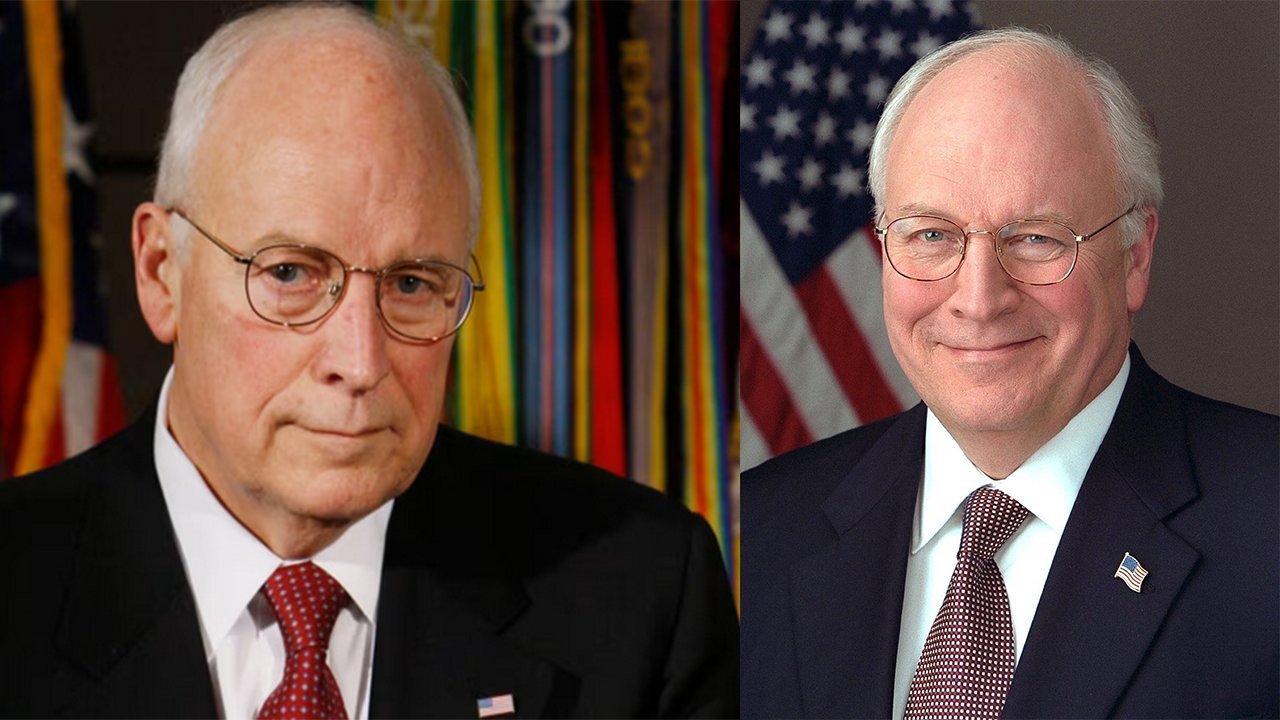
Web Desk: Dick Cheney, the hard-driving former US vice president who shaped America’s response to the Sept. 11 attacks and became one of the most polarizing figures in modern politics, has died at 84, his family announced Tuesday. Cheney, a defining voice on national security and foreign policy during the George W. Bush administration, left behind a legacy that blended power, secrecy and controversy.
From Capitol Hill to the White House
Born on Jan. 30, 1941, in Lincoln, Nebraska, Richard Bruce Cheney began his political career as a congressional aide before joining the Nixon and Ford administrations. He rose to become White House chief of staff under President Gerald Ford and later represented Wyoming in the US House of Representatives for six terms, eventually serving as House minority whip. His sharp grasp of policy and discipline in government earned him respect across party lines.
Defense Secretary and Gulf War Leadership
Under President George H.W. Bush, Cheney served as Secretary of Defense from 1989 to 1993, directing Operation Desert Storm during the 1991 Gulf War. His steady command during the conflict boosted his standing as a skilled strategist and firm advocate of US military strength.
Vice Presidency and the War on Terror
As vice president under George W. Bush from 2001 to 2009, Cheney became a driving force behind America’s global war on terror. He strongly influenced decisions to invade Afghanistan and Iraq following the Sept. 11 attacks, arguing that Saddam Hussein possessed weapons of mass destruction. Those claims were later discredited, igniting intense debate over the administration’s use of intelligence and the justification for war.
Business Interests and Lingering Controversies
Before his vice presidency, Cheney led Halliburton, a Texas-based energy services giant. During the Iraq War, the company and its subsidiaries received billions of dollars in government contracts, fueling accusations of favoritism and conflict of interest charges Cheney denied. He also faced criticism for his support of “enhanced interrogation techniques,” which rights groups labeled torture.
Later Years and Enduring Legacy
After leaving office, Cheney published his memoir In My Time in 2011 and remained an outspoken defender of his policies. Despite persistent controversy from the Iraq intelligence failures to a 2006 hunting accident that injured a friend Cheney continued to influence conservative thought.
Viewed by supporters as a patriot who acted decisively in crisis and by critics as the embodiment of unchecked executive power, Dick Cheney’s death closes a consequential chapter in US political history.