


Web Desk: Pakistan and the International Monetary Fund (IMF) have discussed broad tariff reductions ahead of the upcoming federal budget, with officials indicating possible cuts in import-related duties across multiple sectors, according to sources familiar with the negotiations.
The talks come as Islamabad prepares its new fiscal plan, which is expected to include adjustments to regulatory duties, customs duties and additional import levies in line with IMF-linked reform targets.
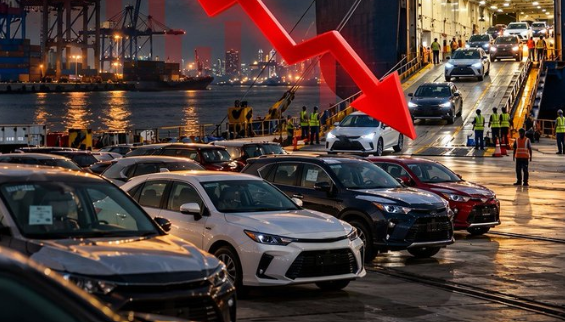
Sources said the government may reduce regulatory duty and additional customs duty on a wide range of imported goods in the next budget. In addition, duties on imported vehicles could also come down as part of broader trade policy changes.
Moreover, officials are considering lowering tariffs on raw materials used by export-oriented industries, a move aimed at improving competitiveness and reducing production costs.
Telecom equipment, including machinery and tools required for 5G deployment, may also benefit from reduced tax rates under the proposed measures.
According to details, the government has prepared a draft of a new national tariff policy on the direction of the prime minister, aligning tariff rationalisation with IMF benchmarks. The plan aims to make local industries more competitive while gradually simplifying the tariff structure.
Sources said additional customs duty could be reduced across 3,149 tariff lines in the upcoming budget. Meanwhile, regulatory duty cuts may apply to more than 1,900 tariff lines covering imported goods.
Furthermore, officials are reviewing duty structures across multiple slabs. The government is expected to remove the remaining 2% additional customs duty on 518 tariff lines in the 15% slab.
Similarly, for goods in the 20% slab covering 2,166 tariff lines, the additional customs duty may be reduced from 4% to 2%. For items with customs duties above 20%, covering 468 tariff lines, the additional duty could be cut from 6% to 4%.
In addition, import duties on agricultural machinery, equipment and spare parts not produced locally may also be reduced. The changes are expected to lower costs for the agriculture sector and improve access to modern technology.
Likewise, machinery used in setting up electric vehicle and electric bike manufacturing plants may see reduced additional customs duties, as the government pushes forward with its green mobility agenda.
Officials said the proposed tariff adjustments aim to support export-led growth while meeting IMF program requirements for trade and fiscal reforms.
Read more: Tax cuts and salary hikes, what’s in the upcoming budget for salaried class?