


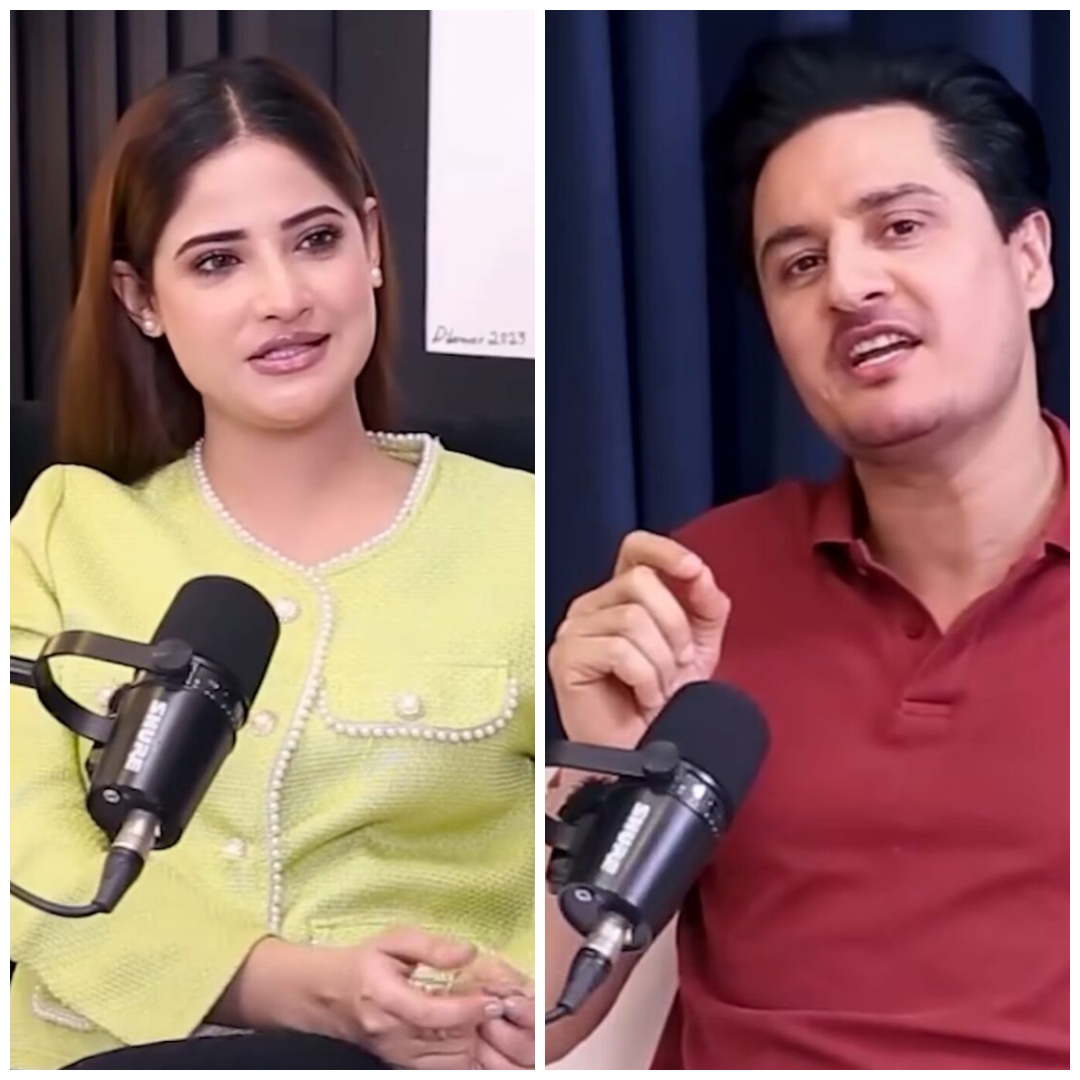
Web Desk: Television host and actress Arsala Siddiqui has stirred discussion after predicting that traditional marriage could decline significantly in Pakistan over the coming years, with more couples opting for live-in relationships despite prevailing social and legal norms.
Siddiqui shared her views during an appearance on the FHM Podcast hosted by Arsalan Faisal, where she discussed changing relationship patterns and evolving attitudes among younger generations.
During the conversation, Siddiqui said she believes Pakistan could witness a major shift in relationship dynamics after 2030.
According to her, more people may choose to live together without getting married, adding that such arrangements are already taking place despite not being widely accepted in the country. She remarked that those who wish to marry should do so sooner rather than later because, in her view, the institution of marriage could become less common in the future.
Her comments reflect a personal prediction rather than any documented demographic projection.
Siddiqui also spoke about her personal experiences and expectations regarding relationships. She said she has never experienced being abandoned in a romantic relationship and described love as a meaningful experience that everyone should encounter at least once in life.
At the same time, she clarified that experiencing love does not necessarily have to lead to marriage.
Discussing her own future, Siddiqui said she remains open to getting married if she finds a loyal, kind and financially stable partner. While noting that she is financially independent, she said she still considers financial security an important quality in a life partner.
Siddiqui is widely recognized in Pakistan for hosting Ramzan transmissions on Aaj TV alongside Omer Shahzad. In addition to her work as a television presenter, she has appeared in several drama serials, including “Kash Main Beta Hoti” and “Muhabbat Aik Saza.” She also maintains an active presence on social media, where she regularly engages with her followers.
Her remarks have generated discussion on social media, where users have expressed differing opinions about changing societal values, the future of marriage and evolving relationship norms in Pakistan. The comments have also reignited broader conversations about generational attitudes toward commitment and family life.