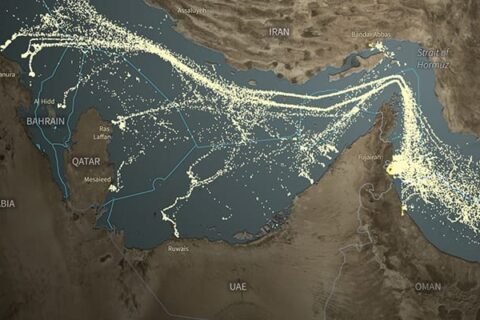
Web desk: As tensions escalate across the Middle East, thousands of travelers remain stranded in key Gulf transit hubs with limited options to leave. Airspace closures and flight suspensions have disrupted one of the world’s busiest aviation corridors, particularly in Qatar and the United Arab Emirates.
Airspace in Qatar remains shut, leaving about 8,000 transit passengers stuck after U.S.-Israeli strikes on Iran triggered regional retaliation. Meanwhile, only a limited number of flights have resumed from the UAE since Monday. As a result, tourists and expatriates are scrambling to find alternative routes out of the region.
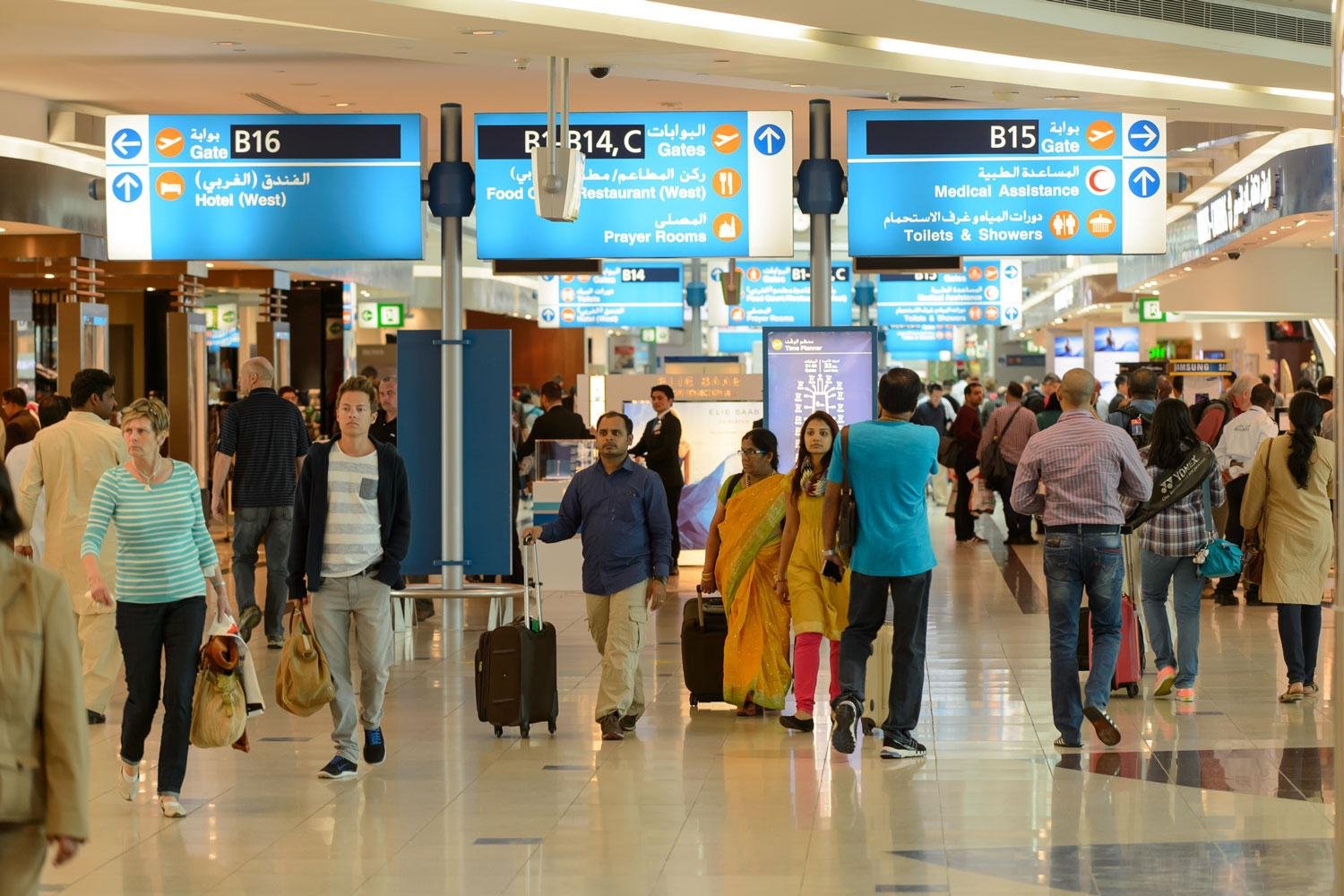
Cities such as Dubai and Doha normally serve as major east-west aviation hubs, connecting Europe and Asia and handling tens of thousands of passengers daily. However, the conflict has sharply reduced air traffic, forcing many travelers to consider lengthy overland journeys.
U.S. President Donald Trump initially suggested the conflict could last four to five weeks. However, the war has since expanded, with Iran launching missile and drone strikes not only against Israel and U.S. forces but also against U.S.-aligned countries across the Gulf. Consequently, several U.S. embassies in the region have come under fire, prompting the U.S. State Department to urge Americans to leave multiple countries immediately.
At the same time, European governments have begun evacuation efforts. The United Kingdom, Spain, Italy, and Germany have organized charter flights for vulnerable citizens. Germany, for instance, dispatched two flights from Riyadh and Muscat to repatriate some of the roughly 30,000 Germans believed to be stranded in the region.
In addition, Slovenia arranged four police-escorted buses to transport its citizens from Dubai to Muscat airport. Nevertheless, many other foreign nationals must rely on private transport or informal ride-sharing networks to reach functioning airports.
Oman has emerged as a key exit point. Unlike some of its neighbors, Oman has kept its airspace open despite regional instability. Although flights within the Gulf have faced cancellations, services from Muscat to destinations outside the region continue largely uninterrupted.
To manage demand, Oman Air and SalamAir have organized shuttle buses from Sharjah to Muscat. The eight-hour journey has become a critical lifeline for stranded travelers. Online forums and social media platforms show growing numbers of expatriates seeking transport to Oman’s capital.
Private drivers have also seen a surge in demand. One tour operator reported receiving dozens of calls from people requesting rides to the Hatta border crossing. Previously, the 150-kilometer route mainly served tourists and hikers. Now, it transports foreign nationals attempting to exit the UAE.
Saudi Arabia offers another alternative. A British expatriate described an 11-hour journey from Dubai to Riyadh via the Al Ghuwaifat border crossing. He coordinated drivers on both sides of the border and relied on WhatsApp groups organizing shared transport. However, the cost exceeded $1,000, far higher than the usual $200 airfare between the two cities.
Overall, as military tensions persist, Gulf aviation and travel networks remain severely disrupted. While Oman and Saudi Arabia provide temporary escape routes, high costs and long overland journeys highlight the scale of the crisis. Unless airspace across the region fully reopens, thousands may continue to face uncertainty in one of the world’s most critical transit corridors.
Read more: “Depart Now”: US issues emergency alert for Americans across Middle East