
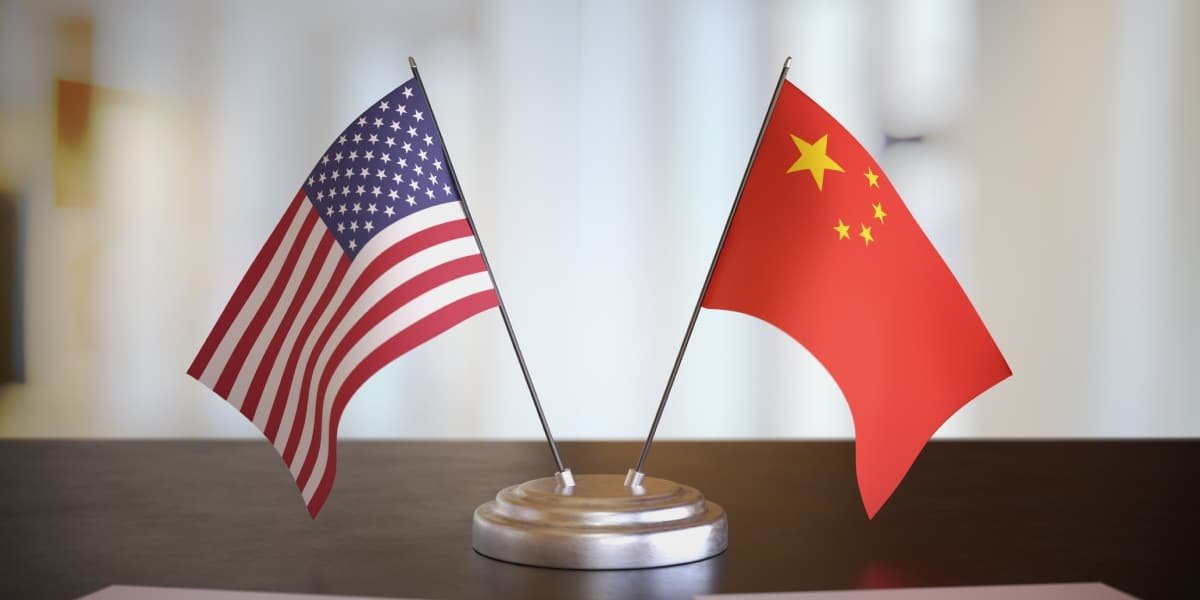
WEBDESK: The United States and China have agreed to delay planned tariff increases for 90 days. The move is aimed at preventing trade disruptions and avoiding a major supply chain crisis ahead of the holiday season.
On Monday, President Donald Trump signed an executive order delaying the increase in tariffs on Chinese goods until 10 November. In response, China also announced a pause on its planned tariffs on American goods. This will give both sides more time for talks.
The temporary pause was due to end on Tuesday. Without the extension, US tariffs on Chinese goods would have risen from 30 per cent to 145 per cent, while China’s tariffs on US goods would have increased from 10 per cent to 125 per cent. Experts warned that such sharp increases could have caused severe losses for US businesses and product shortages during the festive season.
President Trump said the decision was a recognition of “important actions” by China to address US concerns on trade, security, and market access. Chinese officials called it part of the commitments made during a phone call between President Xi Jinping and President Trump on 5 June.
Former US trade negotiator Wendy Cutler described the development as “positive news”. She suggested the recent steps to ease tensions could pave the way for a possible meeting between Trump and Xi this autumn.
The decision comes amid ongoing strains in US China trade relations. US Treasury Secretary Scott Bassett had earlier warned that triple-digit tariffs imposed at the start of the year could not be sustained in the long term.
At the same time, Washington is pressing Beijing over its purchases of Russian oil, warning of potential secondary sanctions.
US Commerce Department data showed a surge in Chinese imports early in the year as companies tried to bring in goods before tariffs increased. Imports fell sharply in June, reducing the US trade deficit with China to $9.5 billion the lowest since 2004 and a 70 per cent drop over five months.
Although Monday’s announcement offered no new concessions, analysts believe Trump may be seeking further commitments from China, such as increased purchases of American soybeans.
For now, the delay provides a welcome break for US importers as the holiday season approaches. It also raises hopes that trade ties between the world’s two largest economies may be improving.
Read more: Fifty Indian sponsored ‘Khwarij’ killed in four-day operation: ISPR