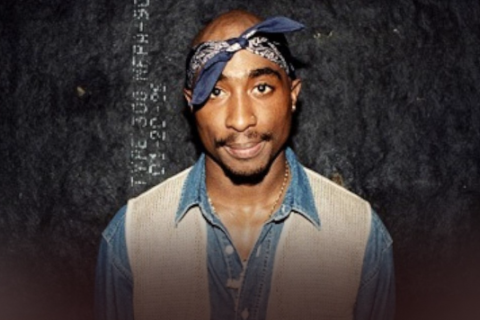
Web Desk: A Nevada jury has convicted Duane Keith Davis in the 1996 murder of rap icon Tupac Shakur, bringing a nearly three-decade-old case to a dramatic conclusion.
Jurors reached the first-degree murder verdict after roughly three hours of deliberation, rejecting Davis’ defense that his accounts of the killing had been exaggerated for attention and financial gain.
The conviction marks a major development in one of the most closely watched unsolved killings in American music history.
Prosecutors presented Davis, a former leader of the South Side Compton Crips, as the person who helped orchestrate the shooting, although they did not allege that he was the gunman.
During the trial, prosecutors introduced hours of recordings from interviews conducted over several years. They also relied heavily on Davis’ 2019 memoir, in which he described events surrounding the shooting and acknowledged his presence in the vehicle from which the gunfire came.
Davis had discussed the killing publicly for years before authorities arrested him in 2023.
Prosecutor Marc DiGiacomo argued that Davis’ decision to document his account ultimately helped investigators build the case against him.
The defense, however, portrayed those statements differently. Attorney Michael Sanft argued that Davis had embellished his stories to capitalize on the enduring public fascination with Shakur’s death.
The killing stemmed from a confrontation earlier on Sept. 7, 1996, at the MGM Grand in Las Vegas.
Shakur and Death Row Records founder Marion “Suge” Knight had attended a heavyweight boxing match featuring Mike Tyson. Later that night, Shakur’s entourage became involved in a physical confrontation with Orlando “Baby Lane” Anderson, Davis’ nephew and a member of a rival Compton gang.
Authorities said tensions escalated after the altercation.
Later that evening, Shakur and Knight were traveling through Las Vegas when a white Cadillac pulled alongside their vehicle at a traffic light. Gunfire erupted from the Cadillac, striking Shakur multiple times.
The rapper was taken to a hospital but died several days later at the age of 25.
Davis became a key figure in the investigation because he was the only surviving person who had been inside the Cadillac, according to prosecutors.
Jurors heard a 2008 interview in which Davis told investigators that Anderson had fired the shots. Anderson was killed in an unrelated shooting in 1998 and was never charged in Shakur’s death.
For years, investigators struggled to turn Davis’ accounts into a prosecutable case.
That changed after the publication of Davis’ memoir in 2019. Prosecutors argued that the book provided important details about the events leading to the shooting and Davis’ role in them.
The defense countered that the memoir was unreliable and that authorities had previously declined to pursue Davis because they questioned the credibility of his claims.
The Shakur investigation remained open for decades amid a lack of physical evidence and reluctance among potential witnesses to cooperate.
A 2015 review by the Los Angeles Times highlighted investigative shortcomings in the early stages of the case. Among other issues, authorities were criticized for failing to pursue certain leads involving Anderson and for not fully following up on a witness who said he could identify the shooters. That witness was later killed in an unrelated shooting.
The prolonged investigation fueled years of speculation, conspiracy theories and public debate over why authorities had been unable to identify and prosecute those responsible.
For Shakur’s family and supporters, the conviction therefore carries significance beyond the courtroom.
“We’ve been waiting 30 years to grieve properly,” Shakur’s cousin Zayd Akinyela said during the proceedings.
Shakur’s sister, Sekyiwa “Set” Shakur, became emotional when the verdict was announced, while Davis’ son covered his face with his hand, according to courtroom accounts.
Outside the courthouse, fans also expressed mixed emotions over the decision.
The conviction brought a sense of resolution for many who had followed the case for decades, even as the verdict meant Davis could face a lengthy prison sentence.
Clark County District Court Judge Carli Kierny scheduled Davis’ sentencing for Oct. 13.
Prosecutors did not pursue the death penalty. They also withdrew a request for an additional gang-related sentencing enhancement following the conviction.
Under Nevada law, first-degree murder can carry a sentence ranging from 20 years in prison to life imprisonment, depending on the circumstances and sentence imposed.
Davis has said he intends to appeal the conviction.
Born in 1971 in New York’s East Harlem, Shakur became one of hip-hop’s most influential figures during the early 1990s.
His music frequently addressed racial inequality, poverty, violence, police conduct and life in marginalized communities. His combination of social commentary, personal storytelling and lyrical intensity helped make him a defining figure of his generation.
Although his career ended at 25, his influence has continued across music and popular culture.
The verdict now closes a central chapter in the long-running investigation into his death, but the circumstances surrounding one of hip-hop’s most enduring tragedies are likely to remain part of Shakur’s legacy for years to come.
Read more: International court of arbitration rules India must uphold Indus Waters Treaty