
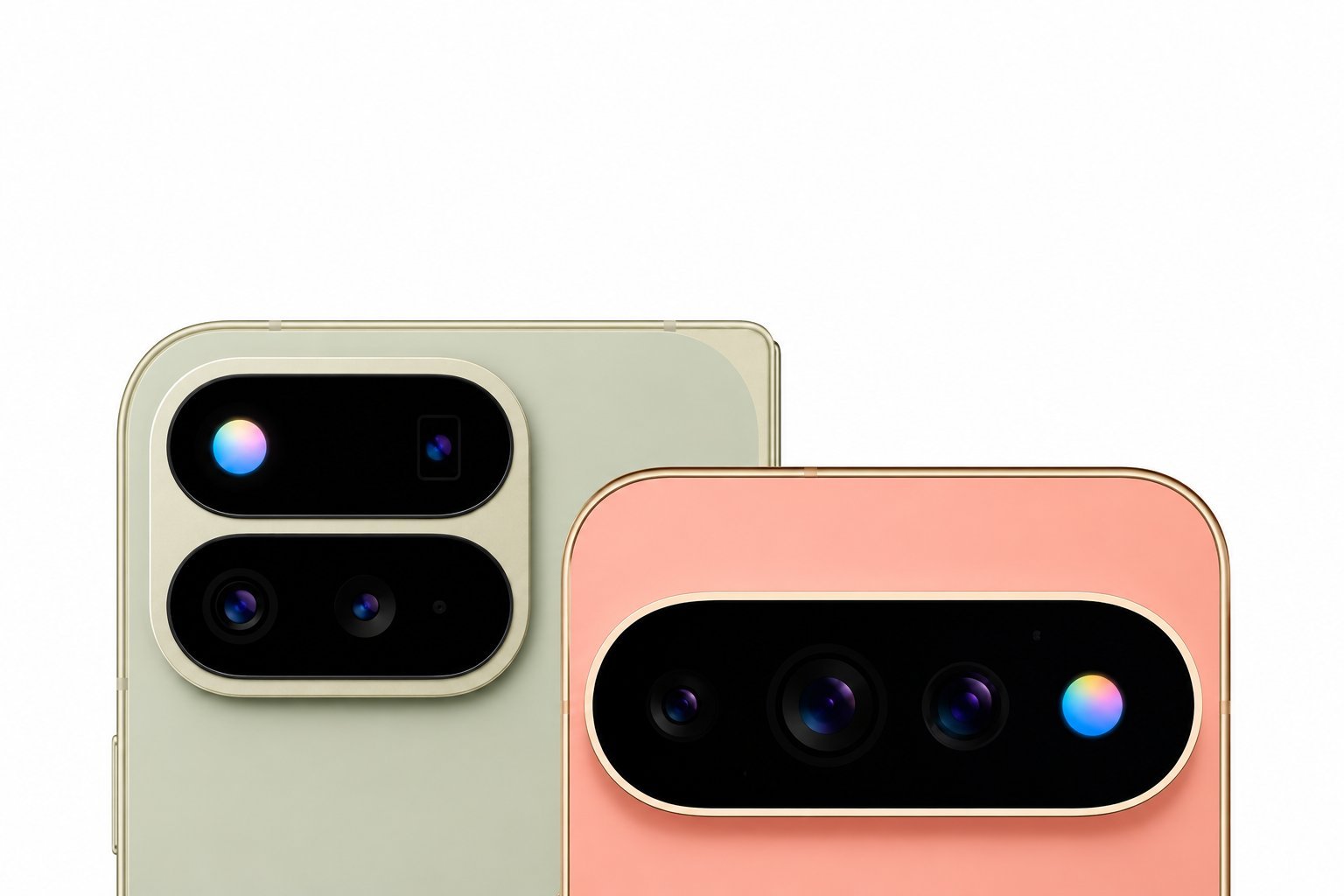
Web Desk: Google is expected to unveil its Pixel 11 and Pixel 11 Pro smartphone lineup this week, giving the company another opportunity to influence the direction of the Android market.
The new devices are expected to combine higher entry-level storage, expanded on-device artificial intelligence and changes to Android’s app distribution rules. Together, those moves could shape how smartphone makers compete over pricing, AI capabilities and control of software ecosystems over the coming year.
Google is reportedly preparing to remove 128GB configurations from the Pixel 11 range and make 256GB the standard starting capacity.
According to pricing details reported by Android Headlines, the Pixel 11 could start at around $899 in the United States and €999 in Europe, while the Pixel 11 Pro Fold could reach $1,899 and €1,999 respectively.
That would represent a $100 increase over the starting price of last year’s Pixel 10. However, the higher price would also come with twice the base storage, potentially giving Google a stronger argument for positioning the new entry-level model as a premium offering.
The strategy reflects a broader shift in the smartphone industry. Manufacturers have increasingly moved away from lower-storage configurations while presenting models with greater capacity and improved specifications as the new baseline.
As a result, consumers may face higher upfront prices even as manufacturers emphasize the additional storage and hardware included in entry-level flagship devices.
Meanwhile, artificial intelligence is expected to remain at the heart of Google’s smartphone strategy.
Leaked specifications indicate that 16GB of RAM could become the baseline across the Pixel 11 family. The additional memory would support more demanding AI workloads, particularly large language models that can operate directly on the device.
Running AI functions locally can reduce dependence on cloud processing and potentially improve response times. It can also limit the amount of personal information that needs to leave the phone for certain tasks.
Google has steadily expanded its AI ambitions since introducing the Pixel 8 Pro as an AI-focused smartphone. With Android 17 and new Gemini capabilities expected to arrive with the Pixel 11 range, the company appears intent on making on-device AI a central part of the smartphone experience.
The strategy could also have implications beyond Android. Apple is expected to continue expanding its AI capabilities, while Google’s technology has increasingly become part of the wider competitive landscape for mobile artificial intelligence.
At the same time, Google is preparing significant changes to how Android applications are distributed.
Android 17 will introduce developer identity verification requirements. Individual developers will have to register with Google, pay a registration fee and provide government-issued identification, while organizations will face additional verification requirements.
Google says the measures are intended to improve security and maintain trust across its application ecosystem.
However, the changes could make independent app distribution more complicated. Developers who create applications for small groups or distribute software outside mainstream app stores will face additional administrative requirements.
Android will continue to support sideloading, but the new rules could make installing applications from outside Google’s ecosystem less straightforward.
For most smartphone owners, the change may have little immediate effect. Nevertheless, it represents a broader shift in the balance between Android’s traditional openness and Google’s growing role in regulating software distribution.
The Pixel lineup has evolved from a showcase for Android into one of Google’s major consumer smartphone brands. Yet the company continues to use its hardware to introduce technologies and strategies that can influence the wider Android market.
With the Pixel 11 family, Google appears poised to push three major trends: higher entry-level prices paired with more storage, greater reliance on locally processed AI and tighter controls over third-party software distribution.
Those decisions could influence other Android manufacturers and potentially put additional pressure on competitors to follow similar strategies.
If the expected changes materialise, the Pixel 11 may therefore be about more than a new generation of Google phones. It could provide an early look at how flagship smartphones will be priced, powered and controlled throughout the next phase of the mobile industry.
Read more: Six planets, solar eclipse and meteor shower set to dazzle the skies