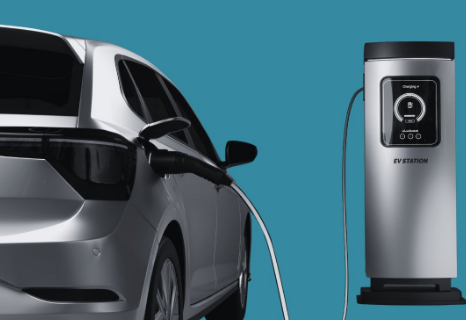
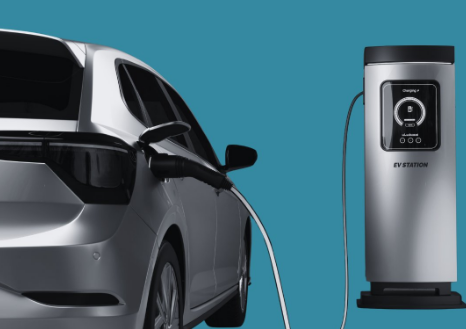
Web Desk: Rising fuel prices would ordinarily be expected to accelerate demand for electric vehicles. Instead, consumers are taking a more measured approach, weighing the combined impact of volatile oil prices, rising electricity costs and vehicle affordability before making purchasing decisions.
The shift reflects a broader change in consumer priorities as households grapple with higher living costs and uncertainty in global energy markets. Rather than responding solely to prices at the fuel pump, buyers are increasingly calculating the total cost of ownership, including vehicle prices, energy expenses and maintenance.
Global crude oil prices remain under close watch as geopolitical tensions in the Middle East continue to influence energy markets. Although prices eased slightly on Tuesday, Brent crude continues to trade near $88 per barrel, keeping concerns over future fuel costs alive.
At the same time, electricity prices have also become a significant consideration. In many regions, utilities have raised tariffs to meet growing demand, modernise aging power grids and finance investments in cleaner energy generation.
“The discussion is no longer simply about gasoline versus electricity,” said an energy market analyst. “Consumers are looking at the overall cost of mobility, and that calculation has become more complex.”
Dealerships report that affordability has become the dominant factor influencing purchasing decisions.
While electric vehicles continue to attract environmentally conscious buyers, many consumers remain focused on upfront costs and long-term operating expenses. Higher purchase prices for battery-powered vehicles, combined with uncertainty over charging costs, have prompted buyers to carefully evaluate their options.
Meanwhile, electricity consumption continues to rise worldwide as digital infrastructure, manufacturing, artificial intelligence and electrification increase pressure on national power grids.
Governments and utilities are investing billions of dollars in expanding electricity generation and strengthening transmission networks. However, seasonal demand peaks and rising energy consumption continue to influence electricity pricing in many markets.
Future transportation choices will increasingly depend on whether electricity remains affordable as demand continues to grow.
Governments are also introducing financial incentives to accelerate cleaner transportation.
In California, officials recently announced the MyFirstEV rebate program after the expiration of the federal electric vehicle tax credit. The initiative offers rebates of up to $3,400 for eligible first-time buyers of new electric vehicles priced below $50,000, while qualifying used vehicles receive half that amount. The program combines state funding with contributions from participating automakers.
Industry representatives say such incentives could improve affordability and encourage broader adoption, particularly among first-time buyers.
Automakers continue to expand their portfolios in response to shifting consumer preferences.
Manufacturers are investing heavily in electric mobility while also increasing production of fuel-efficient models that appeal to cost-conscious buyers. Industry observers say companies are balancing immediate consumer demand with long-term investments in electrification as global regulations increasingly favor lower-emission transportation.
“The industry is responding to what consumers are buying today while preparing for where the market is heading tomorrow,” an automotive analyst said.
Beyond consumer spending, governments are treating transportation as part of a broader energy security strategy.
The continuing geopolitical uncertainty surrounding major oil-producing regions has reinforced efforts to diversify energy supplies, strengthen domestic electricity generation and reduce dependence on imported fuels. These developments are expected to shape transport policies and infrastructure investment over the coming decade.
Consumer purchasing decisions to remain closely tied to energy prices, economic conditions and government policy.
If oil prices rise further because of geopolitical disruptions, demand for more fuel-efficient transportation could strengthen. However, sustained increases in electricity tariffs could also affect operating costs, making affordability not technology alone the decisive factor for many households.
For now, the market suggests that consumers are no longer making vehicle purchases based solely on environmental considerations. Instead, they are balancing fuel prices, electricity costs, purchase affordability and long-term operating expenses as they navigate an increasingly uncertain global energy landscape.
Read more: High-tech indigenous bird shaped spy drone emerges as Indus RAS expo highlight