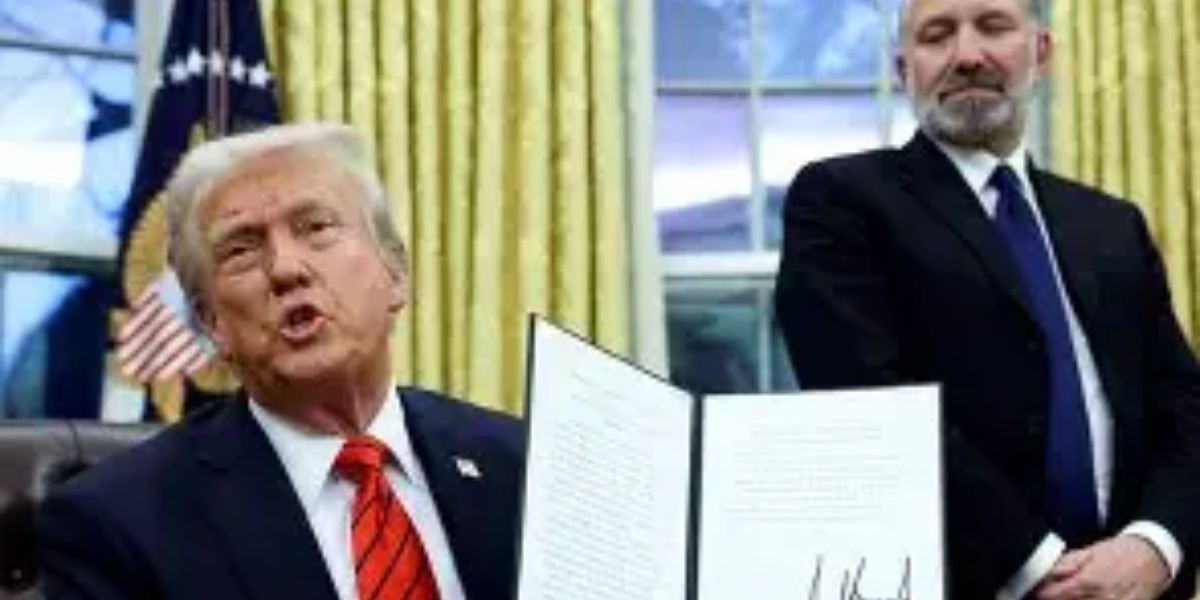
The United States has begun enforcing new import tariffs of 10% and 12.5% on a wide range of goods imported from Pakistan, India, China, the European Union and around 60 other trading partners.
According to the US government, the measures target countries that have failed to effectively enforce laws aimed at eliminating forced labour from their supply chains. The tariffs replace the temporary 10% global duty that had been in place for 150 days following a US Supreme Court ruling.
US officials said the new duties, imposed under Section 301 of the Trade Act of 1974, will apply to nearly 99.4% of US imports. However, products such as crude oil, natural gas, fertilizers, certain food items, and goods already covered under Section 232 tariffs—including automobiles, steel, aluminium and copper—are exempt, along with many products covered under the US-Mexico-Canada Agreement.
US Trade Representative Jamieson Greer said the United States has long prohibited imports made with forced labour and expects its trading partners to meet the same standards to protect human rights and ensure fair competition in global trade.
Under the final decision, products from Pakistan, India, Bangladesh, the UK, Canada, Mexico, Malaysia, Indonesia, Cambodia, Sri Lanka, Argentina, Ecuador, Guatemala, Honduras, Jordan, El Salvador, Trinidad and Tobago and several other countries will face a 10% tariff, while selected trading partners will be subject to a 12.5% rate.
The move drew criticism from several governments. EU foreign policy chief Kaja Kallas described the tariffs as unjustified, saying the bloc’s labour protections are stronger than those of the United States and that Brussels would seek clarification from Washington. Australia and Brazil also called the measure unnecessary and unfair, while Canada said it would continue constructive trade talks with the US.
Trade law experts noted that although the new tariff rates are similar to the temporary duties they replace, their implementation under Section 301 makes them significantly more difficult to challenge in court.
Also Read: Pakistan rejects India’s Kashmir claims at UN Security Council