
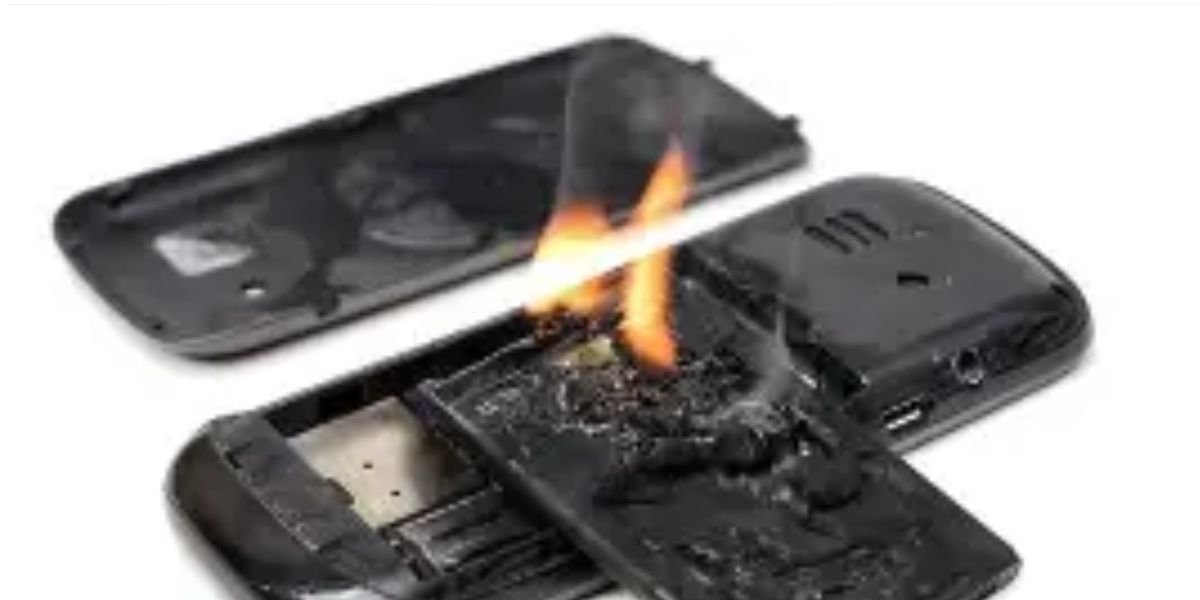
Extreme heat and heatwaves are not only dangerous for humans but also pose a major threat to smartphones. Experts say that rising temperatures are causing millions of mobile phones worldwide to experience battery damage, reduced performance, and unexpected shutdowns. As a result, taking precautions to protect phones during hot weather has become more important than ever.
According to technology experts, smartphones are now an essential part of everyday life. They are used for banking, online payments, education, office work, social media, and emergency communication. However, high temperatures can directly affect both their performance and lifespan.
According to a report by technology magazine Level Up, most smartphones are designed to perform best in temperatures between 0°C and 35°C. When exposed to temperatures above this range—especially under direct sunlight—the phone’s internal components heat up quickly, which can shorten battery life, reduce processor performance, and in some cases permanently damage the hardware.
Experts say that if a warning such as “Phone is too hot” or “Device is too hot” appears on the screen, users should immediately stop using the phone. This is the device’s built-in safety system attempting to prevent potential damage.
Technology experts have also recommended several important precautions to protect smartphones in hot weather. They advise never leaving a mobile phone inside a parked car under direct sunlight, as the temperature inside a vehicle can exceed 50°C within minutes, potentially damaging the battery and screen.
Similarly, in areas with weak mobile signals, a phone continuously searches for a network, causing the battery to heat up. In such situations, temporarily enabling Airplane Mode is recommended.
Experts also advise against charging a phone while it is already hot. Instead, allow the device to cool down first, as charging it in a heated state puts additional strain on the battery. During the summer, wireless charging should also be avoided whenever possible because it can generate more heat than wired charging.
Using a phone for navigation on a car dashboard while driving can also be harmful. Direct sunlight combined with GPS and mobile data can cause the phone to overheat quickly. It is better to place the device near the air conditioner and reduce the screen brightness.
Experts say turning on Battery Saver Mode before heading outdoors can help keep the phone cooler by limiting unnecessary background activity. Likewise, closing unnecessary apps such as Facebook, Instagram, email, and others can reduce the workload on the device.
They also recommend keeping the phone out of direct sunlight by storing it in a bag or another shaded place. Light-colored phone cases absorb less heat and are therefore considered more suitable during the summer.
If a phone becomes unusually hot, users should never place it in a refrigerator or freezer, as the sudden change in temperature can create moisture inside the device and damage its circuitry. Instead, remove the phone case, switch off the device, and place it in a cool location or in front of a fan so it can cool down naturally.
Experts conclude that by following these simple precautions, users can protect their smartphones from the harmful effects of extreme heat while also extending the lifespan of the battery and other important components.
Also Read: How many teams will Los Angeles Olympics cricket feature?