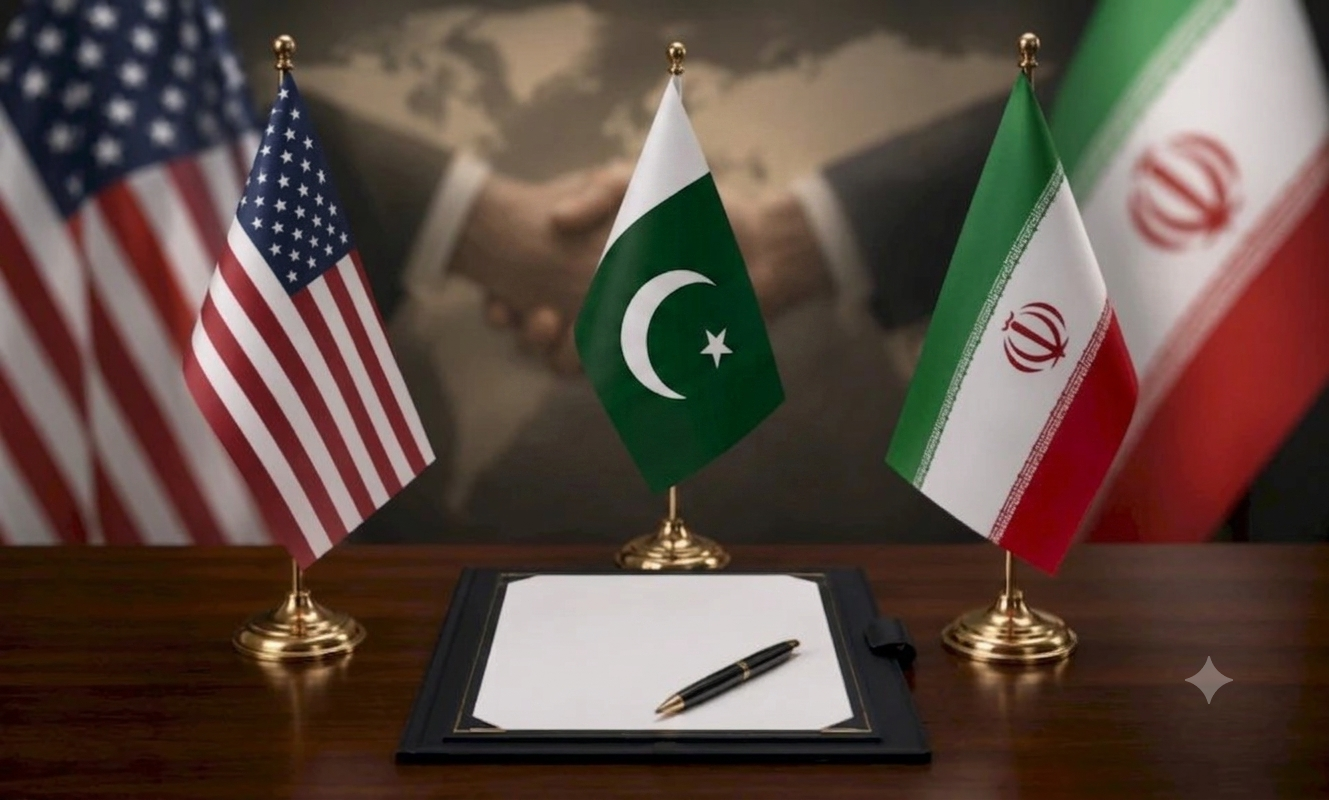
Web Desk: The United States and Iran have electronically signed the “Islamabad Memorandum of Understanding,” marking a major diplomatic breakthrough aimed at easing tensions and preventing a broader regional conflict.
Officials said the presidents of both countries signed the agreement, while Pakistan endorsed the memorandum in its role as mediator. The accord took effect immediately.
As part of the first phase, Iran agreed to reopen the Strait of Hormuz, a critical global energy corridor. Meanwhile, the United States began lifting its naval blockade under the terms of the agreement.
Pakistan announced that it will host an official signing ceremony on June 19, 2026, with support from Qatar. The event will take place in Switzerland and will launch technical-level negotiations aimed at implementing the memorandum and developing a final agreement.
In a statement, Pakistani officials described the accord as evidence of both governments’ commitment to resolving their differences through diplomacy rather than military confrontation.
The statement praised U.S. President Donald Trump for supporting negotiations and pursuing a peaceful settlement. It also recognized the work of members of the U.S. negotiating team, including Vice President J.D. Vance, Special Envoy Steve Witkoff and adviser Jared Kushner.
At the same time, Pakistani officials commended Iran’s leadership for backing the diplomatic process. The statement highlighted the roles of Supreme Leader Ayatollah Seyyed Mojtaba Hosseini Khamenei and President Masoud Pezeshkian. It also acknowledged the efforts of Iranian negotiators Mohammad Bagher Ghalibaf, Abbas Araghchi and Eskandar Momeni.
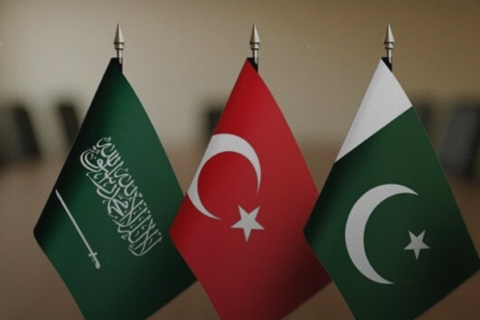
In addition, the statement thanked Qatar for its role as co-mediator. It also recognized diplomatic support from Saudi Arabia, Türkiye and Egypt during the negotiations.
Pakistani officials further credited Field Marshal Syed Asim Munir with helping facilitate talks between the parties. They described his role as significant in advancing the negotiations and supporting regional stability.
The memorandum seeks to establish a framework for de-escalation, maritime security and future diplomatic engagement. Officials said technical teams will now work on detailed implementation measures and long-term arrangements.
The agreement represents one of the most significant diplomatic developments in the region in recent years. However, analysts say its long-term success will depend on implementation and continued cooperation between Washington and Tehran.
Read more: US releases the 14-point official agreement with Iran