Web Desk: The International Monetary Fund agreed to withdraw a proposed 18 percent sales tax on stationery items following a direct intervention by Prime Minister Shehbaz Sharif. The decision delivers significant financial relief to students, educational institutions, and households across Pakistan ahead of the new academic year.
Sources familiar with the matter confirmed that the lender accepted the federal government’s request to maintain the current 10 percent tax rate rather than raising it to 18 percent in the upcoming federal budget for fiscal year 2026-27. This agreement marks one of the most visible concessions that Islamabad has secured during its ongoing, high-stakes budget negotiations with the global financial institution.
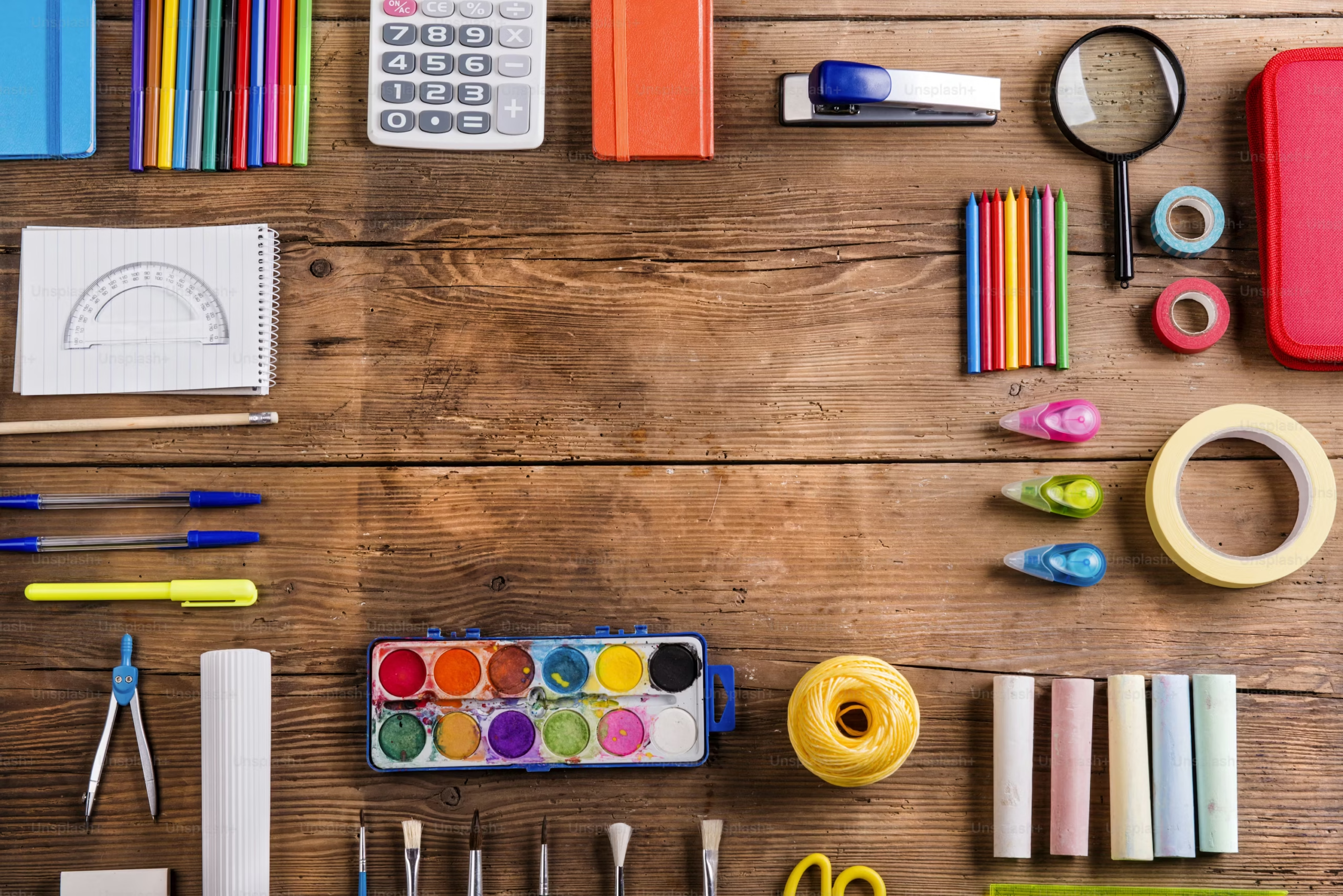
The reversal protects essential school supplies, including notebooks, pens, pencils, erasers, and geometry boxes, from a sudden price surge. Had the government implemented the 18 percent sales tax, the policy would have directly inflated the cost of education for millions of families who are already struggling against persistent inflation and stagnant real incomes.
The relief comes at a crucial time for the domestic market, as Pakistan relies heavily on imports to meet its educational needs. The country sources a major portion of its finished stationery products and raw manufacturing materials from China and other regional suppliers.
According to recent industry estimates, the domestic stationery and office supplies market generates tens of billions of rupees in annual revenue. The sector serves a massive consumer base that spans the country’s vast school-going population, higher education universities, private corporations, and public government departments. Consequently, keeping the tax stable prevents a broader inflationary ripple effect across both the education sector and general business operations.
Read more: Solar panels witness masssive price surge ahead of budget