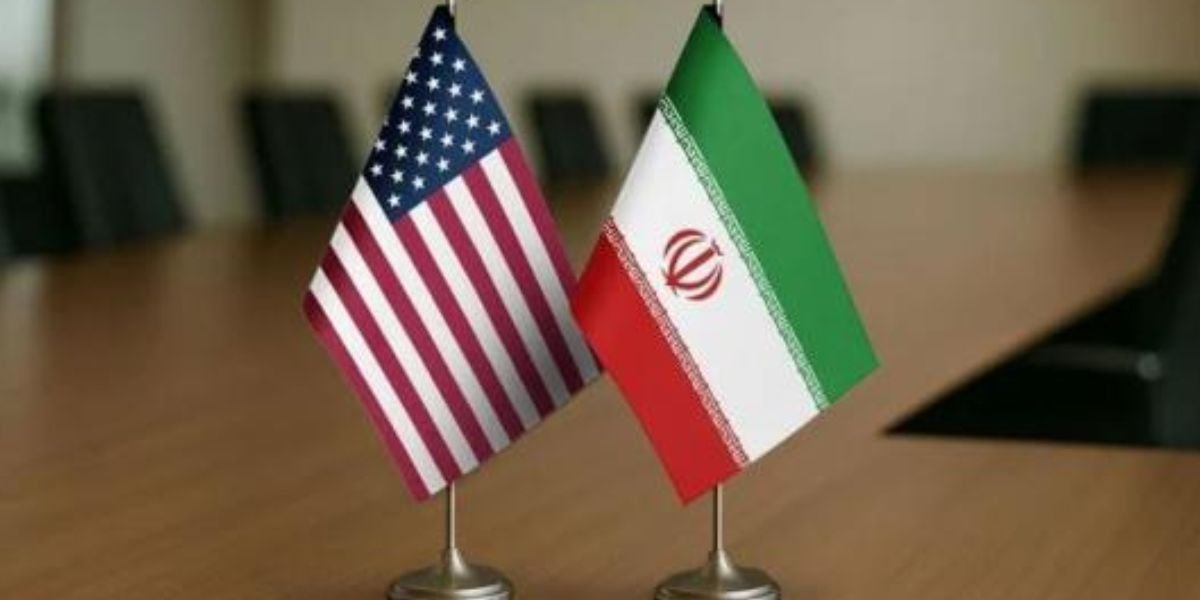
US President Donald Trump has claimed that a major agreement aimed at ending months of tensions and conflict between the United States and Iran is close to being finalized, raising new hopes for peace in the Middle East.
In a post on his social media platform Truth Social, Trump said progress had been made on a memorandum of understanding (MoU) related to peace between the US, Iran and several regional countries, adding that a final announcement could be made soon.
What Does the Proposed Agreement Include?
According to reports, the proposed deal includes reopening the Strait of Hormuz for international shipping, formally ending the conflict involving the US, Israel and Iran, easing some sanctions on Iranian oil, initiating fresh talks on Iran’s nuclear program and taking measures to reduce tensions across the region.
Sources said Pakistan, Saudi Arabia, United Arab Emirates, Egypt, Turkey, Qatar, Jordan and Bahrain are involved in the negotiations.
Iranian officials have confirmed that talks are ongoing but described some of Trump’s claims as differing from reality. According to reports in Iranian state and semi-state media, Tehran has not yet agreed to any final steps regarding its nuclear program and maintains that the program is intended solely for peaceful civilian purposes.
Iranian Foreign Ministry spokesperson Esmaeil Baghaei said differences had narrowed this week, though several issues still require further discussion.
Strait of Hormuz Remains Biggest Dispute
The Strait of Hormuz is considered one of the world’s most important maritime routes, through which nearly 20 percent of global oil and LNG shipments pass.
After the conflict began, Iran imposed strict restrictions on the route while the United States placed Iranian ports under naval blockade. Washington is seeking unrestricted access for international shipping, whereas Tehran insists on maintaining its sovereignty over the waterway.
Nuclear Program at the Center of Talks
The US and Israel are demanding that Iran halt uranium enrichment, while Tehran insists it is not pursuing nuclear weapons.
It is worth noting that the 2015 nuclear agreement, known as the Joint Comprehensive Plan of Action, was signed during the presidency of Barack Obama. However, Trump withdrew the US from the deal in 2018.
Interestingly, in March 2025, US intelligence chief Tulsi Gabbard told Congress that according to US agencies, Iran was not currently building a nuclear weapon.
Is a Peace Deal Really Possible?
Experts believe the ongoing negotiations represent significant progress, but say a final agreement will require greater flexibility from the US, Iran and particularly Israel.
Analysts say that if sanctions relief and the nuclear dispute are successfully resolved, the new agreement could prove even more significant than the 2015 nuclear deal.
Also Read: Iran-US possible deal, oil prices drop sharply in global market