
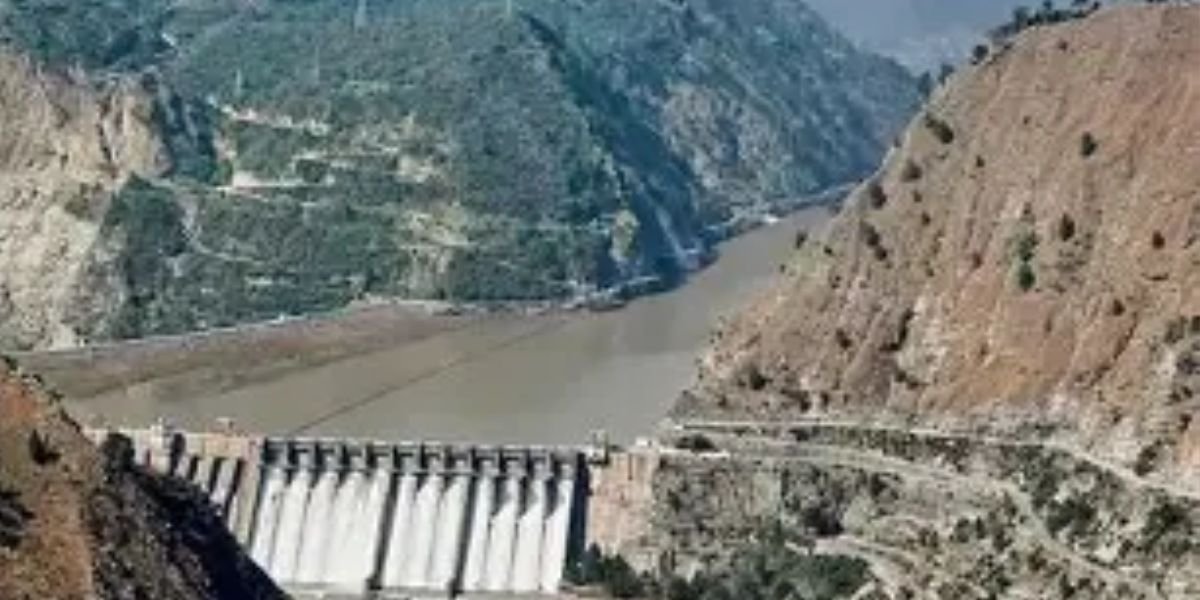
The dispute over the Indus Waters Treaty has taken a significant turn after an international arbitration court ruled largely in favor of Pakistan’s legal position, declaring it consistent with international law and treaty obligations. Pakistan welcomed the ruling, describing it as a victory for international justice, legal principles, and impartial arbitration.
According to the court’s findings, the treaty — brokered under the guarantee of the World Bank — is a binding international agreement that cannot be suspended unilaterally by either party. The tribunal stated that Pakistan’s interpretation of the treaty aligns with established principles of international law, while several Indian arguments were found to lack sufficient legal standing.
The court further emphasized that India does not possess unrestricted authority to store water through hydropower projects on the western rivers. It directed India to share complete operational data related to water management with Pakistan in order to maintain transparency and treaty compliance.
The ruling also instructed India to provide Pakistan with all technical and hydrological details regarding the Kishanganga Hydroelectric Project and Ratle Hydroelectric Project projects. The tribunal rejected India’s position seeking to suspend or render the treaty ineffective, calling such an approach inconsistent with legal and ethical obligations under international agreements.
In another key observation, the court acknowledged Pakistan’s concerns regarding environmental flows and imposed clear responsibilities on India in that regard. It also stressed that water resources must not be used as a political tool or means of coercion, declaring such practices unacceptable under international norms.
The tribunal noted that violations of the treaty could amount to serious breaches of international legal responsibilities. Despite India’s limited cooperation during parts of the proceedings, the court continued its deliberations and delivered findings on major legal questions raised by the dispute.
The decision is being viewed as an important development in regional water diplomacy, reinforcing the principles of transparency, treaty compliance, and peaceful dispute resolution. Pakistani officials said the verdict strengthens confidence in the international legal system and validates Pakistan’s longstanding stance on the matter.
Also Read: Indian Army Chief’s statement manifests India’s deliberate aggression against Pakistan: Lt Gen Saeed