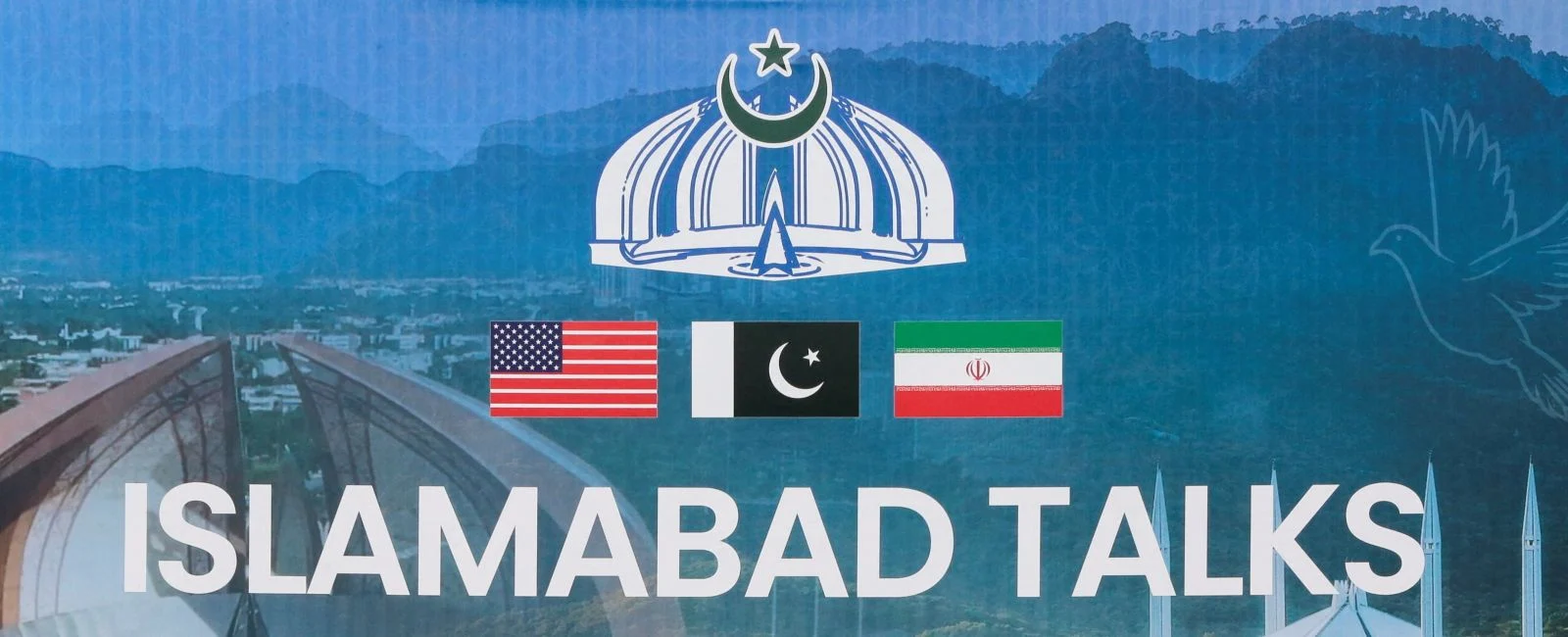
Web Desk: U.S. Vice President JD Vance will likely lead the American delegation for a critical second round of face-to-face negotiations with Iranian officials, according to reports from CNN. This development follows a high-stakes 21-hour marathon session in Islamabad over the weekend, which ended in a stalemate but established a foundation for continued dialogue.
If a second meeting occurs before the current two-week ceasefire expires, Vance will return to the negotiating table. He will reportedly be accompanied by a high-level team including the President’s son-in-law, Jared Kushner, and Steve Witkoff, the Special Representative for the Middle East. Analysts suggest the inclusion of this specific team underscores the administration’s focus on securing a comprehensive “grand bargain” rather than a temporary fix.
Deep Divides Over Nuclear Terms
Despite the shift from military action to diplomacy, significant hurdles remain between Washington and Tehran. The most complex issue centers on Iran’s uranium enrichment program. The United States has proposed a 20-year suspension of all nuclear activities, whereas Iranian negotiators have countered with a proposal for a five-year suspension.
Furthermore, the U.S. delegation continues to demand the total dismantlement of key nuclear facilities and the immediate transfer of Iran’s enriched uranium stockpiles to a third country, such as Turkey. Tehran has shown some openness to moving the material but remains resistant to the permanent termination of its nuclear program.
Restoring Global Trade Routes
Beyond nuclear concerns, the reopening of the Strait of Hormuz remains a primary objective for the American delegation. While a temporary reopening was part of the April 8 ceasefire agreement mediated by Pakistan, implementation has been inconsistent.
The U.S. maintains that a fully reopened strait is a non-negotiable red line to ensure the stabilization of global oil prices and commercial shipping. Consequently, negotiators are working to establish a regional maritime framework that guarantees safe passage without the transit fees recently proposed by Tehran.
The Role of Pakistani Mediation
President Donald Trump recently indicated that talks could resume within the next 48 hours, highlighting the urgency of the situation. Pakistan continues to play a central role as the primary mediator, hosting these sessions and providing a neutral ground for the first high-level direct engagement between the two nations in decades.
As the ceasefire remains fragile, the upcoming round of talks in Islamabad is seen as a final window to transition from a shaky truce to a durable peace agreement. Success in these negotiations could not only end the weeks-long conflict but also significantly reshape the geopolitical and economic landscape of the Middle East.
Read more: ‘Field Marshal is a fantastic man, we can be back to Islamabad’, Trump