Web Desk: Iran expects to restore most of its oil refining capacity within two months. This follows recent American and Israeli strikes on its energy infrastructure.
Initially, Deputy Oil Minister Mohammad Sadeq Azimifar announced that refining capabilities should reach 80 percent soon. Speaking to local media, Azimifar noted that repairs are progressing quickly. Specifically, he highlighted the Lavan refinery. This facility will partially resume operations within approximately 10 days. Furthermore, these recovery efforts aim to stabilize domestic fuel supplies. They also seek to offset damage from recent military escalations.
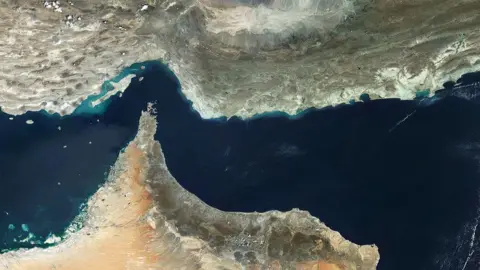
Meanwhile, while teams focus on infrastructure, Iranian legislators are pushing for stricter waterway controls. Ebrahim Azizi, head of the Parliament’s National Security Council, spoke to Russian media about the Strait of Hormuz. In addition, he revealed a new management system for the strategic chokepoint.
Under this framework, every vessel passing through the strait must pay a toll. Moreover, Azizi emphasized that the government intends to establish full oversight. He justified these measures by stating that Tehran cannot trust American assurances in the region. As a result, the government will prioritize national interest over international maritime norms.
Consequently, the move to impose tolls on a vital maritime chokepoint marks a significant policy escalation. In fact, transitioning to a fee-based system could impact global shipping costs. Currently, approximately one-fifth of the world’s total oil consumption passes through this narrow waterway.
Therefore, international maritime authorities are closely monitoring these developments. In conclusion, the combination of infrastructure repair and naval assertiveness suggests a clear strategy. Iran remains focused on maintaining its economic leverage despite recent military setbacks.
Read more: Forget charging: This new nuclear battery lasts over 100 years