
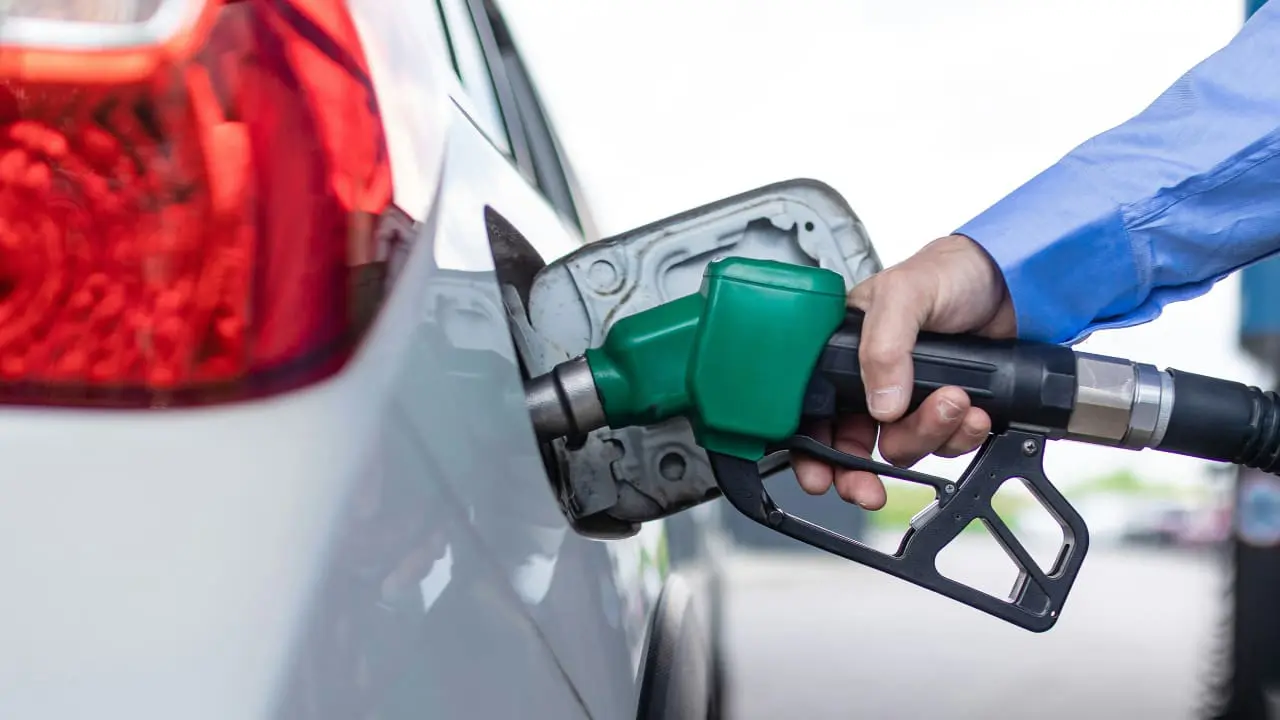
Web Desk: Prime Minister Shehbaz Sharif has officially rejected a proposed increase in petroleum prices, opting instead for the government to absorb a massive Rs 24 per litre hike to provide immediate financial relief to the public.
The decision comes at a critical juncture as global oil markets face extreme volatility due to ongoing regional tensions. Despite a summary from the Oil and Gas Regulatory Authority (OGRA) recommending a substantial upward revision based on international benchmarks, the Prime Minister directed that domestic rates for petrol and high-speed diesel (HSD) remain unchanged for the upcoming fortnight.
By taking this step, the government has effectively shielded consumers from an additional financial burden during the holy month of Ramadan and the subsequent Eidul Fitr celebrations. This move is expected to stabilize transportation costs and curb the inflationary pressure on essential commodities, which typically spikes during the festive season.
Furthermore, the federal government will finance this relief through the newly established Prime Minister’s Austerity Fund. This strategic move demonstrates a shift toward internal cost-cutting and financial discipline to buffer the common man against external economic shocks. Consequently, the government will settle price differential claims (PDCs) with oil marketing companies to ensure a steady supply of fuel across the country without passing the cost to the end-user.
In a nationally televised address, the Prime Minister emphasized that his administration is committed to “sharing the burden” with the people. He noted that while global supply chains remain under pressure, the government’s diplomatic and economic teams have secured sufficient crude oil reserves to maintain stability in the domestic market.
This proactive measure follows a period of rigorous austerity, including the cancellation of high-cost national events, intended to redirect state resources toward public subsidies. As a result, the current petrol price will hold steady at Rs 321.17 per litre, providing a much-needed breather for the transport sector and low-income households alike.
Read more: Pakistan warns against weaponisation of water at UN