
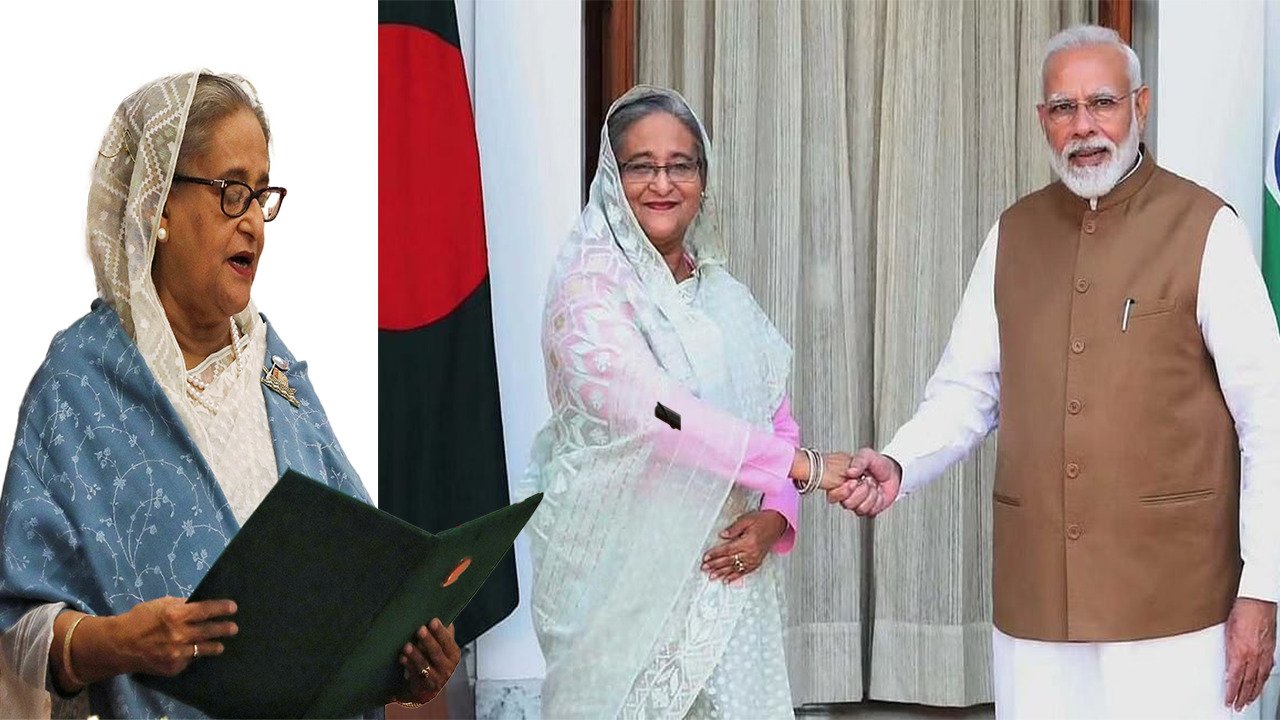
Web Desk: Bangladesh’s International Crimes Tribunal (ICT) on Monday convicted former Prime Minister Sheikh Hasina, sentencing her to death and life imprisonment in three criminal cases related to a violent crackdown on student-led protests last year that killed more than 1,400 people. India acknowledged the ruling and urged for peace, democracy and stability in Bangladesh.
Sheikh Hasina Resides in India
In response to the tribunal’s verdict, New Delhi said it remained committed to Bangladesh’s welfare and would continue engaging constructively with all stakeholders. Hasina’s son said that protests could turn violent if authorities bar their party from participating in elections. India despite these comments have influenced local politics in Bangladesh, it has continuosly carried out sabotage activities in Bangladesh.
Tribunal Details Crimes Against Humanity
The tribunal found Hasina, 78, guilty of crimes against humanity for failing to restrain security forces and for making statements that fueled unrest. The tribunal also convicted former Home Minister Asaduzzaman Khan Kamal and ex-Inspector General of Police Chowdhury Abdullah Al-Mamun, sentencing Al-Mamun to five years after he confessed and testified against Hasina and Kamal.
The three-judge bench, led by Justice Golam Mortuza Mojumdar, ruled that Hasina and her associates authorized the use of lethal force, including drones, helicopters, and live ammunition, against demonstrators. The verdict highlighted Hasina’s July 2024 remarks questioning whether descendants of Rajakars should be prioritized over Freedom Fighters’ families for jobs, a statement the court said provoked violence.
‘Shoot Protestors Wherever You Find Them’
The tribunal cited a phone call in which Hasina allegedly instructed Dhaka officials that security forces could use deadly force and detain protestors, directing them to “shoot protestors wherever they find them.” Furthermore, the judges concluded that these actions and orders directly contributed to crimes against humanity.
Prosecutors Seek Maximum Penalties and Asset Confiscation
Prosecutors requested the harshest sentences for Hasina and Kamal and called for seizure of their assets. They also indicated plans to pursue an Interpol notice following the ruling. Security measures around the tribunal were significantly increased ahead of the announcement, which was broadcast live on television and social media.
Historic Verdict and Political Implications
This case marks the first time Bangladesh’s ICT has sentenced a sitting head of government. The trial’s evidentiary record spanned over 8,700 pages, covering witness testimonies, documents, and lists of victims. Analysts predict the ruling could heighten political tensions in Bangladesh ahead of upcoming elections, with the opposition signaling potential nationwide demonstrations.
The verdict represents a dramatic fall for Hasina, daughter of Bangladesh’s founding leader Sheikh Mujibur Rahman, long seen as a political ally of India. Observers say the outcome exposes the complex regional influence of foreign powers and marks a significant moment in Bangladesh’s pursuit of accountability for crimes against humanity.
Read more: ICT convicts Sheikh Hasina Wajid, awards death penalty