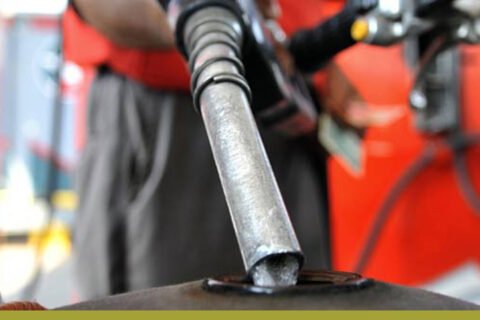

Islamabad: As temperatures drop across Pakistan, we bring you winter car care tips to ensure safety, reliability and fuel efficiency. From protecting the engine to maintaining tire performance and optimizing fuel consumption, proper winter car care can prevent costly repairs and breakdowns.
1. Protecting the Engine in Cold Weather
Cold temperatures can significantly affect engine performance, oil viscosity and battery efficiency. Mechanics recommend checking the engine oil grade and switching to winter-appropriate lubricants if necessary.
“Thicker oils can make cold starts difficult and strain the engine. Using low-viscosity oil suitable for winter ensures smoother startups and proper lubrication.
Drivers are also advised to inspect their vehicle’s coolant system. The antifreeze mixture should ideally be a 50/50 blend of coolant and water to prevent freezing and overheating. Checking the radiator, hoses, and belts for leaks or cracks is equally essential.
2. Battery Health and Electrical Systems
Cold weather can reduce a battery’s efficiency by up to 50 percent. Experts recommend checking the battery’s charge, cleaning the terminals and replacing older units that show signs of weakness.
“Most winter breakdowns are battery-related,” said a technician from the Pakistan Automotive Association. “A simple pre-winter test can save drivers from being stranded.”
3. Fuel-Saving Tips for Winter
Fuel consumption tends to increase in colder months as engines take longer to reach optimal operating temperature. To conserve fuel, experts suggest:
- Avoiding prolonged idling to warm up the car modern engines require only 30 seconds of idling before driving gently.
- Maintaining proper tire pressure, as low pressure increases rolling resistance and fuel use.
- Removing unnecessary roof racks or loads that increase aerodynamic drag.
- Planning routes efficiently to minimize cold starts and short trips, which consume more fuel.
Additionally, using high-quality fuel and ensuring regular servicing of fuel filters and injectors can help maintain mileage during the winter season.
4. Tire and Brake Maintenance
Tire performance declines as temperatures drop, affecting grip and braking distance. Motorists should regularly check tire pressure, tread depth and alignment.
“If you drive in hilly or icy areas, consider using winter tires for better traction,” said an Islamabad-based automotive expert.
Brakes should also be inspected for responsiveness, as moisture and freezing temperatures can impact brake fluid and pads.
5. Visibility and Wiper Care
Fog, rain and frost can drastically reduce visibility in winter. Replacing worn-out wiper blades, topping up windshield washer fluid with an antifreeze mix and checking all lights ; headlights, brake lights and indicators, vital for safety measures.
6. Interior and Exterior Protection
Regular washing and waxing help protect the car’s paint and undercarriage from road salt and moisture. Applying rubber protectant on door seals prevents them from freezing shut, while keeping the interior dry helps avoid fogging and mildew.
7. Emergency Preparedness
Experts also advise keeping an emergency kit in the car, including a flashlight, jumper cables, basic tools, a blanket and a small first-aid kit.