
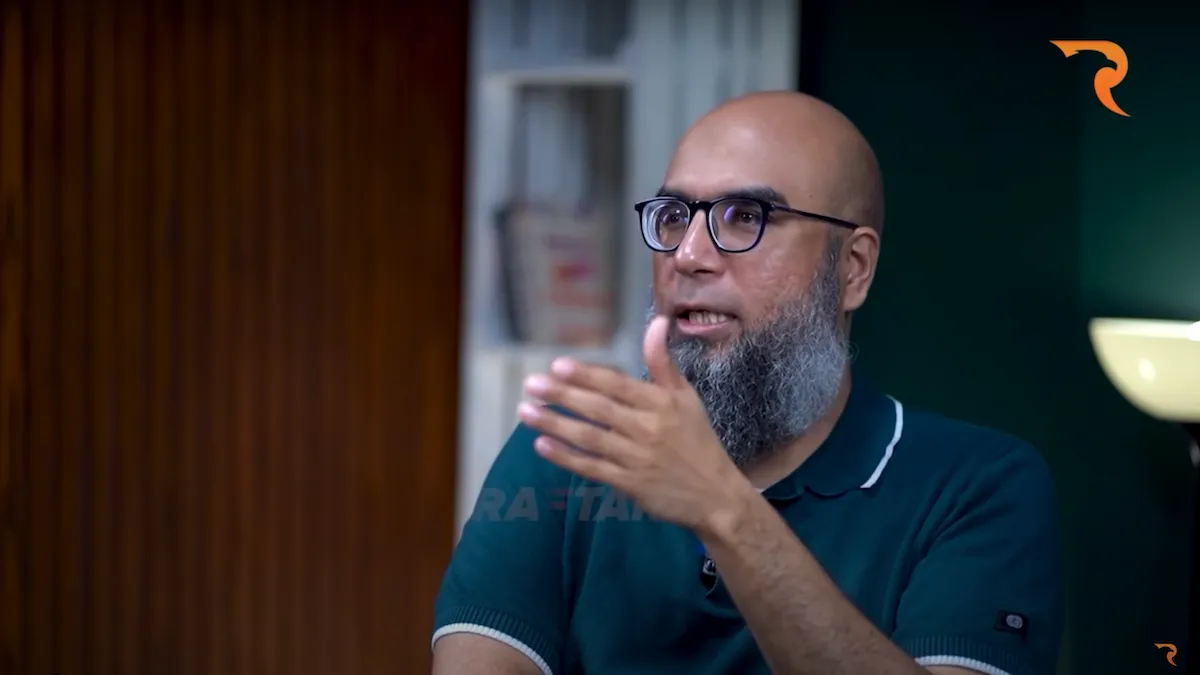
Web Desk: A wave of criticism swept across social media this week as users demanded official action against Raftar TV, accusing the digital outlet of disseminating misleading information about the May 2025 war.
The backlash follows the circulation of a Raftar-produced video that users say presents distorted claims about the conflict. The footage has spread rapidly across multiple platforms, prompting allegations that it undermines public trust in state institutions.
As the video gained visibility, several users alleged that accounts linked to anti-state elements and India helped amplify the content. Critics argue the dissemination pattern suggests a coordinated effort to tarnish the image of Pakistan’s institutions, particularly the military.
Musharraf Zaidi commented that attacking the army has become a formula for attracting foreign audiences and political sympathizers, a sentiment echoed across numerous posts.
Adding to the controversy, senior politician Dewan Sachal accused Raftar TV of consistently promoting narratives hostile to Pakistan and questioned why regulatory authorities had not intervened.
“Raftar has a long record of opposing Pakistan, yet it continues to operate without consequence. Any other outlet would have been shut down by now,” Sachal wrote on social media.
His remarks intensified the online debate, with users questioning whether the platform enjoys institutional protection.
At the same time, several users urged authorities to review the matter and take action against what they described as deliberate misinformation.
Others called for immediate restrictions or a ban on Raftar TV, expressing anger over both the video’s content and the individuals featured in it. Many posts argued that unchecked digital media narratives pose risks during sensitive national security situations.
Despite the growing online pressure, authorities have not publicly responded to the calls for action. The issue, however, continues to trend across social media platforms, keeping the spotlight on the role of digital outlets during times of conflict.