


Web Desk: Pakistan convened high-stakes talks between Iran and the United States in Islamabad on Saturday, stepping in as tensions between the two countries escalated and raised fears of a broader regional conflict.
Officials said Pakistan facilitated the meeting after weeks of mounting strain that had fueled international concern about the risk of further escalation. As a result, representatives from both sides agreed to sit across the table, marking a rare moment of direct engagement.
Pakistan positioned itself as a mediator and worked to bring both sides closer to dialogue. Consequently, early signs of de-escalation have emerged, with diplomats indicating that communication channels are reopening.
Moreover, the talks have drawn global attention, with governments and international observers closely watching developments in Islamabad. Analysts say the meeting could serve as a starting point for broader diplomatic efforts.
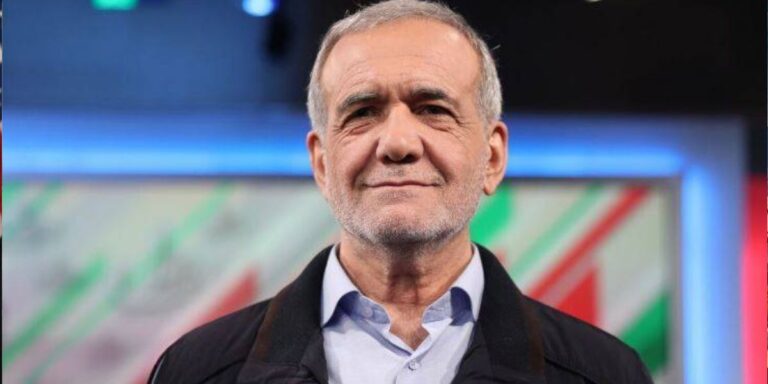
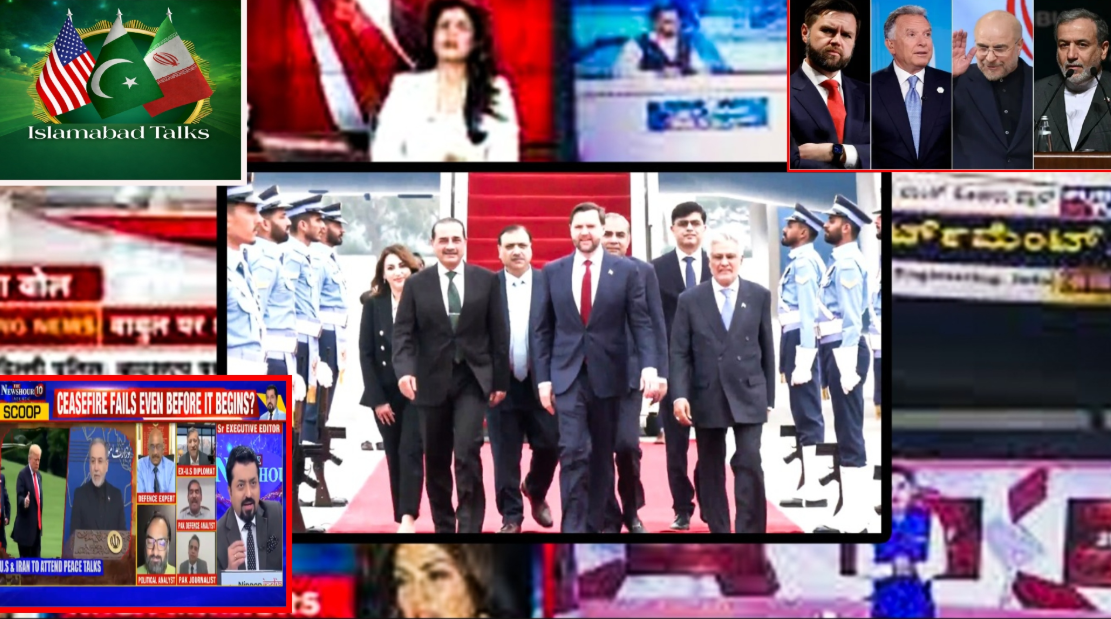
Senior officials from both sides arrived in Islamabad ahead of the talks. US Vice President JD Vance joined the American delegation, while Iran was represented by parliamentary speaker Mohammad Bagher Ghalibaf and Foreign Minister Abbas Araghchi.
Their arrival underscored the significance of the meeting and signaled a willingness to explore diplomatic options despite ongoing tensions.
International media outlets and observers highlighted Pakistan’s role in organising and hosting the talks. In addition, coverage pointed to logistical arrangements and security measures put in place for the high-profile delegations.
Diplomatic analysts noted that facilitating dialogue between long-standing adversaries reflects Pakistan’s attempt to position itself as a constructive actor in regional stability.
Meanwhile, reactions in neighboring India have drawn attention, particularly across television and digital platforms. Some commentators questioned the outcome and viability of the talks, while others expressed skepticism about Pakistan’s role.
However, several claims circulating in Indian media in recent days including reports suggesting that delegations might not attend did not materialise as scheduled arrivals went ahead.
In one widely shared television exchange, a US diplomat, Jeffrey Gunter, rejected concerns about the safety of American officials traveling to Pakistan. He said the delegation would be secure and criticized what he described as speculative reporting.
Furthermore, he emphasised that the situation involved broader global concerns, including economic stability and energy markets, rather than a bilateral rivalry narrative.
Pakistan’s efforts to mediate come amid differing regional positions on the crisis. While Islamabad has called for dialogue and de-escalation, India has taken a more assertive stance in its regional alignments, reflecting broader geopolitical divides.
Even so, analysts caution that the outcome of the Islamabad talks remains uncertain. Much will depend on whether both sides can translate initial engagement into sustained negotiations.
For now, Islamabad remains in focus as the talks continue, with the international community watching closely for any signs of progress toward easing tensions.
Read more: Islamabad Talks: No third-party role, say sources