
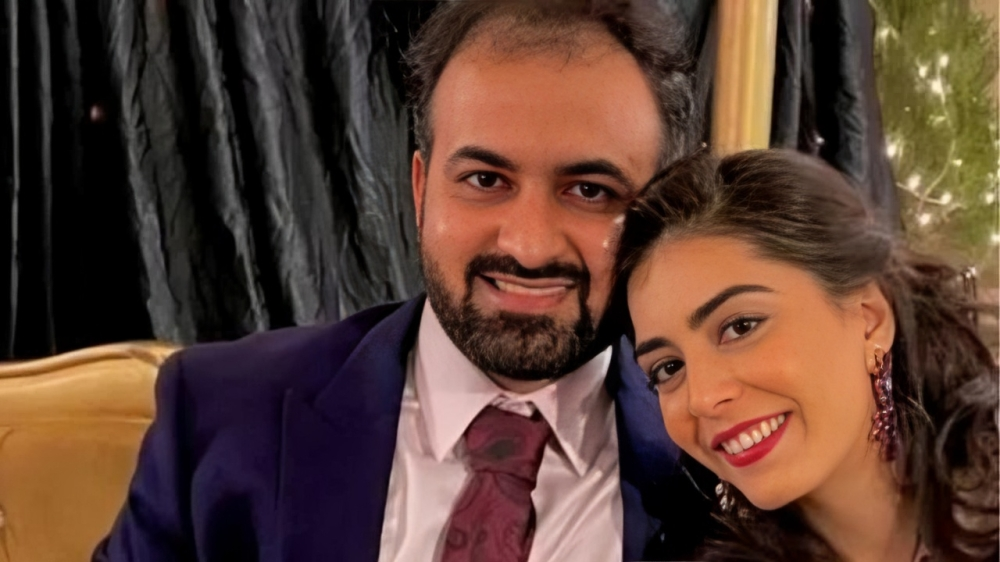
Web Desk: An Islamabad court sentenced rights activist Imaan Mazari and lawyer Hadi Ali Chattha to 10 years in prison each in a case involving controversial social media posts, court officials said.
The verdict was announced by the district and sessions courts in Islamabad, concluding proceedings that had drawn attention amid broader debates over free expression and state security in Pakistan.
Earlier in the day, Mazari and Chattha boycotted the court proceedings. Despite their absence, the court proceeded to announce its ruling in the case related to disputed tweets posted on social media platforms.
The Islamabad High Court had previously directed the defendants to cross-examine prosecution witnesses by Today. However, the accused did not participate in the process.
Mazari and Chattha were produced before the court through a video link as they remain in judicial custody in a separate case. Court officials confirmed that their physical appearance was waived due to the ongoing remand.
The prosecution team, led by Barrister Fahad, Advocate Usman Rana and Barrister Mansoor Azam, argued the case before the court. Prosecutors presented a total of five witnesses during the trial.
In addition, the prosecution submitted a charge sheet spanning more than 30 pages. The document included multiple tweets attributed to Mazari and Chattha, which were presented as key evidence.


Prosecutors accused the defendants of promoting the agenda of the Pashtun Tahafuz Movement (PTM) and other banned organizations through their online activity. They also alleged that the content disseminated by the accused targeted state institutions.
Furthermore, prosecutors submitted a speech by Mazari, which they described as anti-state, as part of the documentary evidence.
State counsel Taimur Janjua represented Mazari and Chattha during the proceedings. The defense had previously challenged the prosecution’s claims, although no further arguments were presented on the day the verdict was announced.
The sentencing marks the conclusion of the trial at the district level, while legal experts say the case is likely to move to higher courts through the appeals process.