



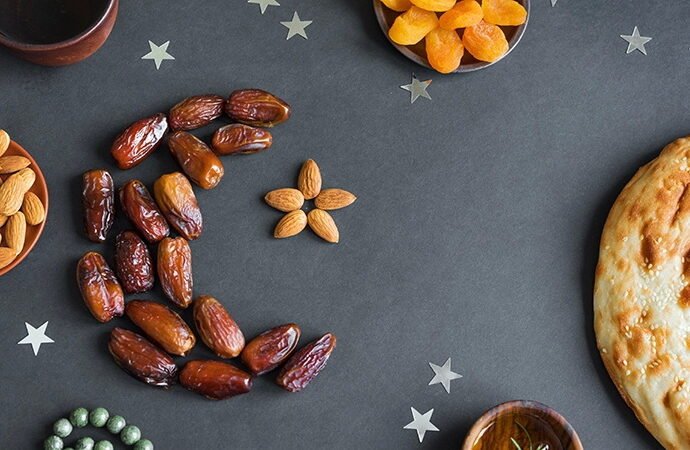
Web desk: Ramadan is a sacred month observed by millions of Muslims around the world. During Ramadan Muslims fast each day from dawn to sunset. Long fasting hours challenge the body especially in warm climates or during longer daylight periods. Smart food choices at Suhoor and Iftar help maintain energy hydration and overall health.
Suhoor is the pre dawn meal. It plays a key role in sustaining energy throughout the day. Choose complex carbohydrates that release energy slowly. Oats whole grain bread brown rice and whole wheat chapati are good options. These foods maintain stable blood sugar levels and reduce hunger later in the day.
Add protein rich foods such as eggs yogurt milk beans or nuts. Protein keeps you full for longer and supports muscle health. Healthy fats from seeds nuts and olive oil also provide lasting energy.
Avoid salty and fried foods at Suhoor because they increase thirst during the day. Sugary cereals and pastries cause a quick rise in energy followed by fatigue.
Hydration plays a vital role during Ramadan. Drink plenty of water between Iftar and Suhoor. Take small amounts at regular intervals instead of drinking a large quantity at once.
Limit caffeinated drinks such as coffee and tea because they increase fluid loss. Reduce sugary drinks and sodas since they provide little nutrition and can lead to weight gain.
Iftar is the sunset meal that ends the daily fast. Start with dates and water because they quickly restore blood sugar and provide instant energy. Then eat a light soup or salad to prepare your stomach for the main meal.
Avoid overeating at Iftar. Large heavy meals cause bloating indigestion and fatigue. Choose balanced portions that include lean protein such as grilled chicken fish or legumes along with vegetables and moderate amounts of whole grains.
Limit fried snacks and rich desserts. Enjoy traditional treats in moderation to prevent weight gain and sluggishness.
Fresh fruits and vegetables supply essential vitamins minerals and fiber. They support digestion and strengthen immunity during fasting. Water rich fruits such as watermelon oranges and cucumbers also help maintain hydration.
Plan your meals in advance to maintain a healthy Ramadan routine. Include carbohydrates protein healthy fats and fiber in both Suhoor and Iftar. Balanced meals prevent extreme hunger cravings and low energy levels.
Take a short walk after Iftar to support digestion and overall wellness. Get enough sleep to maintain focus and energy during fasting hours.
Ramadan teaches discipline and self control. Mindful eating and moderation support both spiritual and physical well being. Smart food and hydration choices keep you energized healthy and active throughout long fasting days.